Congratulations on your new puppy! As a savvy new dog mom, you’re probably already thinking about all the gear you need. The pet market is booming, projected to reach $165 billion in the U.S. by 2026, and the sheer volume of products can be overwhelming. You want to make the “right” choices for your puppy, ensuring their safety and well-being. However, you are also budget-conscious and prioritize practicality and durability. So, what are the truly essential puppy products that will set your new companion up for success without unnecessary clutter or expense?
At Doggy Stuff Shop, we understand that everyday dog owners are becoming “smarter spenders,” seeking durability and consistent results. We’re here to help you navigate the options, focusing on must-have items that support your puppy’s early development, training, and overall happiness. Furthermore, we’ll guide you on what items might be less crucial.
Smart Spending: Prioritizing Practicality and Durability for Your Puppy
Before we dive into specifics, remember our core philosophy: quality pet care should be accessible and straightforward. This means investing in items that are built to last, safe, and truly beneficial for your puppy’s growth. You don’t need every gadget on the shelf. Instead, focus on multi-purpose items and those that address fundamental puppy needs. For example, consider how an item will grow with your puppy.
Category 1: Safety & Comfort First (Your Puppy’s Den)
These items are foundational for your puppy’s security, potty training, and creating a safe space. They provide a sense of belonging and routine.
1. A Comfortable Crate
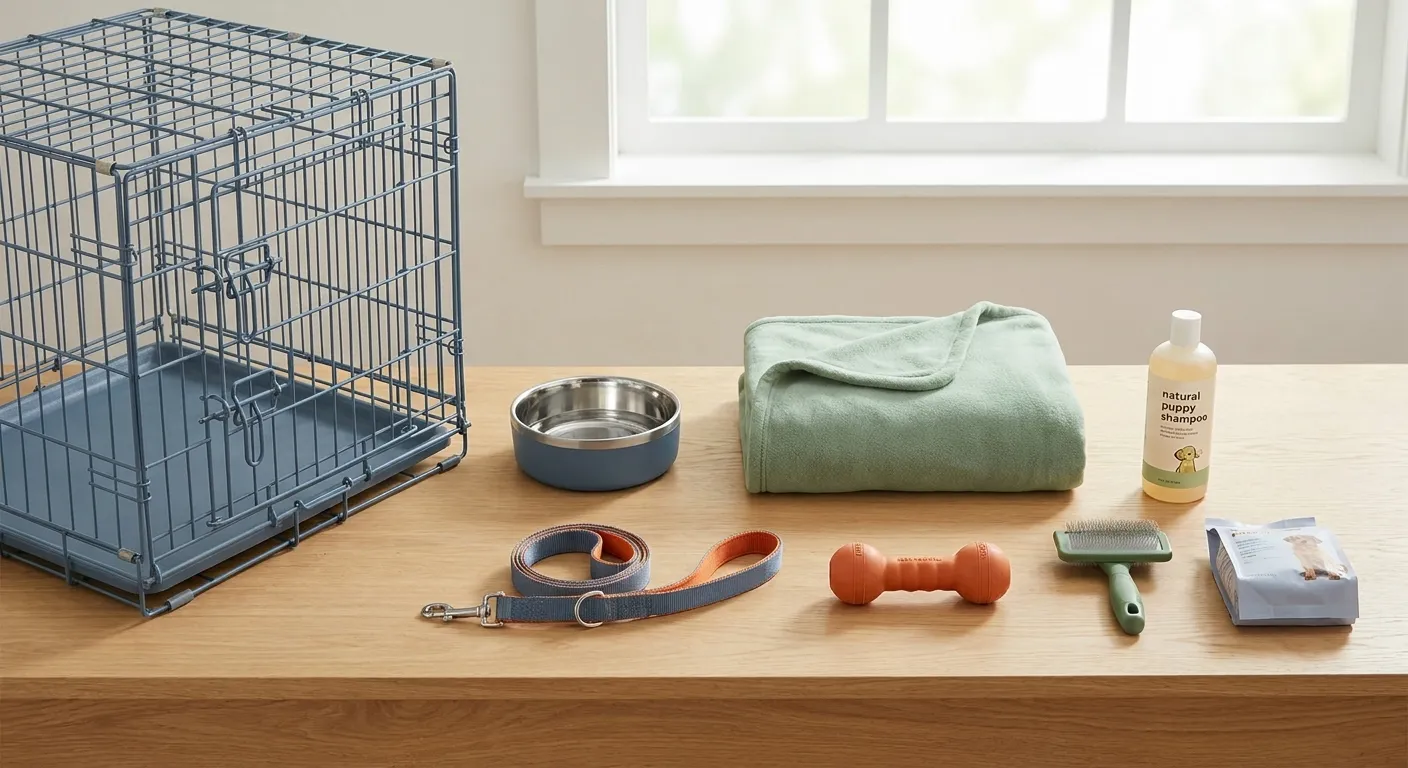
Why it’s essential: A crate serves as your puppy’s personal den, offering a secure retreat. It’s invaluable for potty training, preventing destructive chewing when unsupervised, and ensuring safe travel. Choose a size that will accommodate your puppy as an adult, with a divider for puppy stages. This allows you to adjust the space as they grow. For more detailed guidance, see our guide on Puppy Potty Training Made Easy.
What to look for: Durable wire or plastic construction, easy to clean, good ventilation. Consider a comfortable, washable bed or blanket inside. Moreover, ensure the latch mechanism is secure.
Doggy Stuff Shop recommendation: Our “EveryPaw Cozy Crate” is made from robust, pet-safe materials, designed for longevity and easy portability, making it a smart investment.
2. An Adjustable Playpen
Why it’s essential: For times when your puppy can’t be crated but needs a safe, contained area to play and explore. It offers more space than a crate while still preventing them from getting into trouble. This is especially useful when you need to step away briefly. Furthermore, it helps define boundaries within your home.
What to look for: Sturdy, tall enough to prevent jumping over, easy to assemble and disassemble. Look for models with non-slip feet for stability. Many even offer indoor/outdoor versatility.
3. A Cozy Dog Bed
Why it’s essential: Beyond the crate, a dedicated dog bed provides an additional comfortable spot for your puppy to rest and relax. It helps establish their own space within your home. A good bed supports their joints and offers warmth. Furthermore, it can prevent them from sleeping on furniture if that’s your preference.
What to look for: Durability, chew-resistance (especially for puppies), and easy washability. Consider orthopedic options for larger breeds or future needs. Our article on Finding the Best Dog Beds for Comfort and Durability offers more insights.
Category 2: Training & Confidence Building
These tools are crucial for teaching your puppy good manners and facilitating positive, safe exposure to the world. They lay the groundwork for a well-behaved adult dog.
4. Leash and Harness (or Collar)
Why it’s essential: A comfortable harness is ideal for puppies as it distributes pressure evenly across their chest, protecting their delicate neck. It also discourages pulling. A sturdy leash is vital for controlled walks and training sessions. A flat collar can be introduced later for ID tags. However, ensure it fits properly and doesn’t restrict breathing.
What to look for: Lightweight, adjustable, durable nylon or reflective material for visibility. Choose a harness that doesn’t chafe. For detailed advice, consult our guide on Understanding Dog Leashes and Collars.
5. Training Treats
Why it’s essential: Small, soft, and highly palatable treats are indispensable for positive reinforcement training. They motivate your puppy to learn commands and good behavior. Using treats makes training a fun and rewarding experience for both of you. However, use them in moderation.
What to look for: Low-calorie options, easily broken into smaller pieces, and made with wholesome ingredients. Avoid artificial colors or flavors. Check the ingredient list carefully.
6. Poop Bags and Dispenser
Why it’s essential: This is a non-negotiable item for responsible pet ownership. Always carry poop bags on walks and outings to clean up after your puppy. It’s not only courteous but often legally required. Furthermore, it helps keep public spaces clean.
What to look for: Biodegradable options are a plus. A sturdy dispenser that attaches to your leash is convenient. Always have a backup roll.
Category 3: Feeding & Hydration
Proper nutrition and hydration are fundamental to your puppy’s health and growth. These items ensure they get what they need safely and comfortably.
7. Food and Water Bowls
Why it’s essential: Your puppy needs dedicated bowls for their meals and fresh water. Stainless steel is often recommended due to its hygiene and durability. Plastic bowls can harbor bacteria and get chewed. Always provide constant access to fresh water. For more information on nutrition, read our article on Deciphering Dog Food Labels.
What to look for: Stainless steel or ceramic, non-slip base, easy to clean. Consider elevated bowls for larger breeds to aid digestion, or slow-feeder bowls for puppies who eat too quickly.
8. Puppy-Specific Food
Why it’s essential: Puppies have different nutritional needs than adult dogs. Puppy food is specially formulated with the right balance of protein, fats, and essential nutrients to support their rapid growth and development. Consult your veterinarian for the best recommendation for your puppy’s breed and size. This is one of the most important items on our list of essential puppy products.
What to look for: High-quality ingredients, age-appropriate formulation (small, medium, large breed puppy formulas), and recommendations from your vet. Avoid generic or unbranded foods.
Category 4: Grooming & Health
Keeping your puppy clean and healthy is vital for their overall well-being. These tools help you establish good grooming habits early.
9. Puppy Shampoo and Brush
Why it’s essential: Regular grooming helps maintain a healthy coat and skin, prevents matting, and reduces shedding. Use a gentle, puppy-specific shampoo to avoid skin irritation. Brushing also helps you bond with your puppy and check for any skin issues or parasites. Furthermore, it acclimates them to being handled.
What to look for: Tearless, pH-balanced shampoo. A soft-bristle brush for short-haired breeds or a slicker brush for longer coats. Refer to our Essential Dog Grooming Tools for Home Use guide.
10. Nail Clippers or Grinder
Why it’s essential: Regular nail trims are crucial for your puppy’s comfort and health. Overly long nails can cause pain, affect their gait, and even lead to injuries. Introduce nail trimming early and make it a positive experience. Consult your vet or a professional groomer if you’re unsure how to start.
What to look for: A guillotine-style or scissor-style clipper, or a quiet nail grinder. Ensure it’s sharp to make clean cuts. Always have styptic powder on hand in case of an accidental quick cut.
11. Toothbrush and Toothpaste
Why it’s essential: Dental hygiene is just as important for dogs as it is for humans. Starting a routine of brushing your puppy’s teeth early can prevent serious dental problems later in life. Periodontal disease is common in dogs, but preventable. Therefore, make it a part of your daily routine. Learn more about The Importance of Dog Dental Health.
What to look for: A finger brush or a small, soft-bristled dog toothbrush. Use only dog-specific toothpaste, as human toothpaste is toxic to dogs. Flavored toothpaste can make the experience more pleasant.
Category 5: Playtime & Mental Stimulation
Play is vital for your puppy’s physical and mental development. Toys provide enrichment, help with teething, and strengthen your bond.
12. Durable Chew Toys
Why it’s essential: Puppies explore the world with their mouths and need appropriate outlets for chewing, especially during teething. Durable chew toys help redirect destructive chewing from your furniture and shoes. They also provide mental stimulation and can relieve stress. This is a key item among the practical puppy supplies.
What to look for: Non-toxic, sturdy rubber or nylon toys that are appropriately sized for your puppy. Avoid toys that can be easily broken into small pieces and swallowed. Check out our guide on Safe Durable Dog Toys.
13. Interactive Toys
Why it’s essential: Interactive toys, like puzzle feeders or treat-dispensing toys, challenge your puppy’s mind and keep them engaged. They help prevent boredom and can slow down fast eaters. Mental exercise is just as important as physical exercise for a well-rounded puppy. For example, a KONG toy filled with peanut butter can keep them occupied for a while.
What to look for: Non-toxic, durable materials. Toys with varying levels of difficulty. Ensure they are easy to clean. Reputable brands often have good options.
What to Skip (or Postpone)
While the market offers countless puppy gadgets, some items are simply not necessary, especially when you’re focusing on the truly essential puppy products. Here’s what you can often skip or delay buying:
- Puppy Clothes (unless for warmth/protection): While adorable, most puppies don’t need extensive wardrobes. Focus on practical items like a warm coat if you live in a cold climate, or a rain jacket.
- Fancy Dog Beds (initially): Puppies are prone to accidents and chewing. Start with a durable, washable, and less expensive bed. You can upgrade later.
- Too Many Toys at Once: Rotate a few durable toys rather than overwhelming your puppy (and yourself) with a mountain of options. They’ll appreciate novelty more.
- Automated Feeders (initially): It’s important to monitor your puppy’s eating habits closely in the beginning. Manual feeding allows you to observe their appetite and bond.
- Extravagant Costumes: These are fun for photos but not functional for your puppy’s everyday needs. Prioritize comfort and safety over fashion.
By being a smart spender, you’ll save money and reduce clutter. Furthermore, you’ll ensure your puppy has everything they truly need.
Making Smart Choices for Your Furry Family Member
Welcoming a new puppy into your home is an exciting adventure, and being prepared with the right supplies makes all the difference. By focusing on these essential puppy products, you’re not just buying items; you’re investing in your puppy’s health, happiness, and successful integration into your family. Remember, quality and practicality often outweigh quantity. We at Doggy Stuff Shop are committed to helping you make informed decisions, ensuring you and your new companion enjoy many happy years together. For tips on managing pet expenses, check out our guide on Budget-Friendly Dog Care Tips. Always consult with your veterinarian for personalized advice regarding your puppy’s specific needs, especially concerning diet and health. You can also learn more about general pet care guidelines from resources like the ASPCA, a leading authority on animal welfare. For example, their website offers comprehensive advice on puppy care. Additionally, the Humane Society provides excellent tips for new dog owners, covering everything from training to health. These organizations offer reliable, expert-backed information.
FAQ: Frequently Asked Questions for New Puppy Parents
What are the absolute must-have items for a new puppy?
The absolute must-haves include a comfortable crate, suitable food and water bowls, puppy-specific food, a leash and harness, durable chew toys, and grooming essentials like a brush and nail clippers. These items address their basic needs for safety, comfort, and initial training.
How do I choose the right size crate for my puppy?
Choose a crate that will fit your puppy as an adult. Many crates come with a divider, allowing you to create a smaller space for your puppy initially. This is crucial for successful potty training, as puppies typically won’t soil their sleeping area. They should be able to stand up, turn around, and lie down comfortably.
Are puppy pads necessary for potty training?
Puppy pads can be helpful, especially for apartment dwellers or during inclement weather. However, they can sometimes prolong the outdoor potty training process. It’s often best to transition to outdoor potty training as quickly as possible. For a step-by-step guide, review our potty training resources.
What kind of toys are best for a teething puppy?
For a teething puppy, durable rubber chew toys, rope toys, and even frozen treats (like a frozen KONG toy) are excellent choices. These provide relief for their sore gums and redirect their chewing instincts away from household items. Always ensure toys are appropriately sized and non-toxic.
When should I take my puppy to the vet for the first time?
You should schedule a vet visit for your puppy as soon as possible after bringing them home, ideally within the first few days. This initial check-up ensures they are healthy, allows you to discuss vaccination schedules, deworming, and preventative care like flea and tick control. Regular vet visits are crucial for their long-term health.
Should I get pet insurance for my puppy?
Many new dog owners consider pet insurance to help manage unexpected veterinary costs. It can provide peace of mind, especially with a young puppy prone to accidents or illnesses. Research different providers and plans to see if it’s a good fit for your budget and needs. It’s a proactive step for financial preparedness.