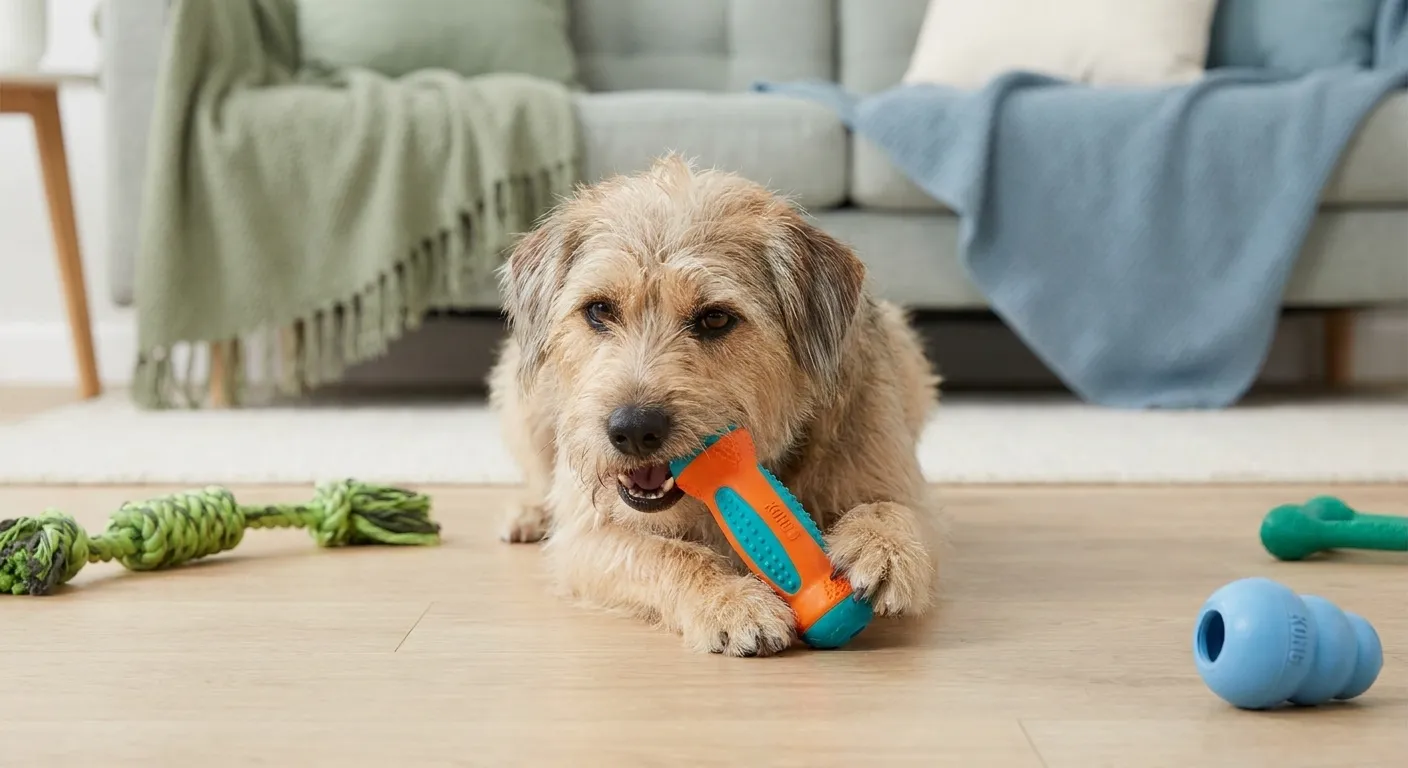
As a new dog parent, the sheer volume of products available can feel overwhelming. This is especially true when you’re trying to make the “right” choices for your furry family member. One area where smart decisions truly pay off is in selecting safe durable dog toys. With dogs increasingly seen as integral family members – a trend highlighted by 71 million U.S. households owning a dog in 2025 – ensuring their well-being is a top priority. This guide will help you navigate the options, focusing on practicality, safety, and value.
Why Choosing Safe Durable Dog Toys Matters More Than You Think
Beyond simply keeping your pup entertained, the right toys play a crucial role in their overall health and development. Cheap, poorly made toys can pose choking hazards. They might splinter into sharp pieces, or contain toxic chemicals that your dog could ingest. Investing in quality, tough dog toys means fewer trips to the vet for emergencies and less money spent on constant replacements. This aligns perfectly with the value-driven spending trend, where pet parents prioritize durability and affordability without compromising on safety.
Good toys also provide essential mental and physical enrichment. They help to prevent boredom, anxiety, and destructive behaviors. Think of them as tools for a happier, healthier pup. Moreover, selecting the right toys can reinforce positive training and strengthen the bond between you and your dog. Therefore, taking time to choose wisely is a worthwhile investment.
Decoding Durability: Materials That Last
The material of a dog toy is your first clue to its durability and safety. Different materials suit different chewing styles. Consequently, understanding these differences is vital for making informed choices.
Rubber: The Go-To for Toughness
High-quality natural rubber toys are often the best choice for chewers. They are resilient, can withstand vigorous chewing, and are generally non-toxic. Look for dense, solid rubber rather than hollow or thin varieties, which can be easily destroyed. Synthetic rubber can also be durable, but always check for BPA-free and phthalate-free certifications. For instance, many brands specify these safety features on their packaging.
Nylon: For the Power Chewer
Hard nylon toys are excellent for dogs who love to gnaw. They are designed to be extremely tough and can help clean teeth. However, monitor your dog, as pieces can break off if they chew aggressively enough. Ensure the size is appropriate to prevent swallowing. In fact, some nylon toys are flavored to make them even more appealing.
Rope: Supervised Play is Key
Rope toys can be great for tug-of-war and dental health, but they require supervision. If your dog starts to unravel and ingest strands, it can lead to serious digestive issues. Opt for tightly woven, thick cotton ropes if you choose this option. Similarly, consider rope toys specifically designed for strength and minimal fraying. Always discard a rope toy once it starts to show significant wear.
Plush Toys: Comfort, Not Chewing
While adorable, plush toys are generally not durable for chewers. They are best reserved for gentle play, cuddling, or dogs who aren’t inclined to de-stuff them. If your dog is a de-stuffer, choose plush toys with minimal stuffing or consider those made specifically for tough play with reinforced seams. Furthermore, some plush toys now come with crinkly materials or squeakers that are securely sewn inside. Avoid toys made from cheap plastics that can easily break, or those with strong chemical smells, which often indicate potentially harmful substances.
Beyond Durability: The Safety Checklist for Dog Toys
Durability is crucial, but safety goes further. When choosing safe durable dog toys, you must consider other vital factors. These elements ensure your dog’s playtime is not only fun but also completely risk-free.
Size and Shape: Prevent Choking Hazards
Always select toys appropriate for your dog’s size and breed. A toy that is too small can be easily swallowed, leading to choking or intestinal blockage. Conversely, a toy that is too large might not be engaging for a smaller dog. For example, a tennis ball is perfect for a retriever, but a tiny Chihuahua might struggle with it. Avoid toys with small, easily detachable parts like eyes, buttons, or ribbons. These can become choking hazards. Instead, look for solid, one-piece designs.
Non-Toxic Materials: What to Look For
Dogs mouth and chew their toys constantly, meaning they can ingest small amounts of material over time. Consequently, the chemical composition of a toy is extremely important. Prioritize toys made from non-toxic, food-grade materials. Look for labels like “BPA-free,” “phthalate-free,” “lead-free,” and “non-toxic.” Natural rubber, organic cotton, and specific types of medical-grade plastics are generally safe choices. If a toy has a strong chemical odor, it’s best to avoid it. Your dog’s health depends on these careful selections.
Easy to Clean: Maintaining Hygiene
Dog toys can quickly become breeding grounds for bacteria, especially if they are slobbered on daily. Therefore, choosing toys that are easy to clean is a practical consideration. Many rubber and nylon toys can be washed with warm, soapy water or even put in the dishwasher. Plush toys, if machine washable, should be washed regularly. Proper hygiene helps prevent the spread of germs and keeps your dog healthy. This is a simple step that has a big impact on their well-being.
Matching Toys to Your Dog’s Play Style and Needs
Every dog is unique, and their play preferences can vary widely. Understanding your dog’s individual needs helps you pick the most engaging and safe durable dog toys. This personalized approach ensures maximum enjoyment and safety.
For the Chewer: Satisfying the Urge
Dogs love to chew; it’s a natural instinct. For strong chewers, focus on ultra-durable rubber and nylon options. Puzzle toys that dispense treats can also be excellent for chewers, as they provide mental stimulation while satisfying the chewing urge. Consider toys that can be frozen with peanut butter or broth for an extended chewing session. This offers a safe and satisfying outlet for their natural instincts. Always have several appropriate chew toys available to redirect their chewing from furniture or shoes.
For the Fetcher: High-Energy Fun
Dogs who love to fetch need toys that are easy to throw, durable enough to withstand repeated impact, and safe to retrieve. Rubber balls, frisbees made from flexible, non-toxic materials, and durable bumpers are ideal. Ensure fetch toys are not too hard, as they could damage teeth. Furthermore, consider toys that float if your dog enjoys water play. This adds another dimension to their exercise routine.
For the Cuddler: Comfort and Companionship
Some dogs prefer gentle play and companionship over vigorous chewing. For these pups, soft plush toys, comfort blankets, or even a durable dog bed choice can provide security and comfort. While these toys might not be designed for heavy chewing, they fulfill an important emotional need. Just remember to check plush toys regularly for rips or tears, especially if your dog occasionally mouths them.
For the Puzzle Solver: Mental Stimulation
Mental exercise is just as important as physical exercise. Puzzle toys, treat-dispensing toys, and interactive feeders challenge your dog’s mind, preventing boredom and destructive behaviors. These toys require your dog to figure out how to get a reward, which can be incredibly satisfying for them. Many types of puzzle toys are available, from simple treat balls to complex multi-step feeders. These are great for keeping your dog engaged, especially when you can’t actively play with them. You can find more ideas for enriching your dog’s life on our guide to New Puppy Essentials List.
When to Replace Dog Toys: A Crucial Safety Step
Even the most safe durable dog toys won’t last forever. Regular inspection is key to preventing accidents. Make it a habit to check all your dog’s toys weekly for signs of wear and tear. Look for cracks, tears, loose pieces, or excessive fraying. If a toy is damaged, discard it immediately. A broken toy can quickly become a choking hazard or cause internal injuries if ingested. This proactive approach saves you worry and potential vet bills.
For instance, if a rubber toy has chunks missing, or a nylon toy has sharp edges, it’s time for it to go. Similarly, if a rope toy is unraveling significantly, it poses a risk. Don’t try to repair broken toys; it’s rarely effective or safe. Investing in a few high-quality, long-lasting dog toys is always better than constantly replacing cheap, easily destroyed ones. This strategy aligns with being a responsible pet parent.
Choosing Brands You Can Trust
Not all dog toy manufacturers are created equal. When selecting safe durable dog toys, researching brands is a smart move. Look for companies that are transparent about their materials and manufacturing processes. Brands that conduct third-party safety testing or have certifications for non-toxic materials offer extra peace of mind. Reading reviews from other dog parents can also provide valuable insights into a toy’s real-world durability and safety. Websites like the Humane Society often offer guidelines on choosing safe toys. Additionally, the ASPCA provides useful information on toy selection.
Conclusion: Smart Choices for Happy, Healthy Play
Choosing safe durable dog toys is a fundamental part of responsible pet ownership. It’s about more than just entertainment; it’s about safeguarding your dog’s health, preventing behavioral issues, and providing enriching experiences. By focusing on appropriate materials, size, non-toxicity, and easy cleaning, you can confidently select toys that will stand the test of time and provide countless hours of happy, healthy play for your furry companion. Remember, a little research and careful selection go a long way in ensuring your dog’s well-being. Prioritize quality over quantity, and always supervise playtime, especially with new toys. Your pup deserves the best, and smart toy choices are a great way to show your love.
FAQ
What are the best materials for tough chew toys?
High-quality natural rubber and hard nylon are generally considered the best materials for tough chew toys. These materials are designed to withstand vigorous chewing and are often non-toxic. Always check for certifications like BPA-free and phthalate-free.
How do I know if a dog toy is safe for my puppy?
For puppies, prioritize toys that are appropriately sized to prevent choking. They should also be made from non-toxic materials. Avoid toys with small, detachable parts. Look for labels indicating they are safe for puppies or designed for chewing. Crate training your puppy involves selecting appropriate toys for their confined space too.
When should I throw away a dog’s toy?
You should discard a dog’s toy immediately if it shows any signs of damage. This includes cracks, tears, loose pieces, excessive fraying, or sharp edges. A damaged toy can quickly become a choking hazard or cause injury if ingested. Regular inspection is crucial.
Are rope toys really safe for dogs?
Rope toys can be safe for supervised play, especially for games like tug-of-war. However, they pose a risk if your dog unravels and ingests the strands, which can lead to serious digestive issues. Always choose tightly woven, thick cotton ropes and monitor your dog closely. Discard them at the first sign of fraying.
How can I make playtime more stimulating for my dog?
To make playtime more stimulating, incorporate a variety of toy types. These include puzzle toys, treat-dispensing toys, and interactive toys that challenge your dog mentally. Rotate toys regularly to keep them novel and exciting. Engaging in different types of play, such as fetch, tug, and hide-and-seek, also adds variety. Consider using useful pet tech gadgets for extra interaction.