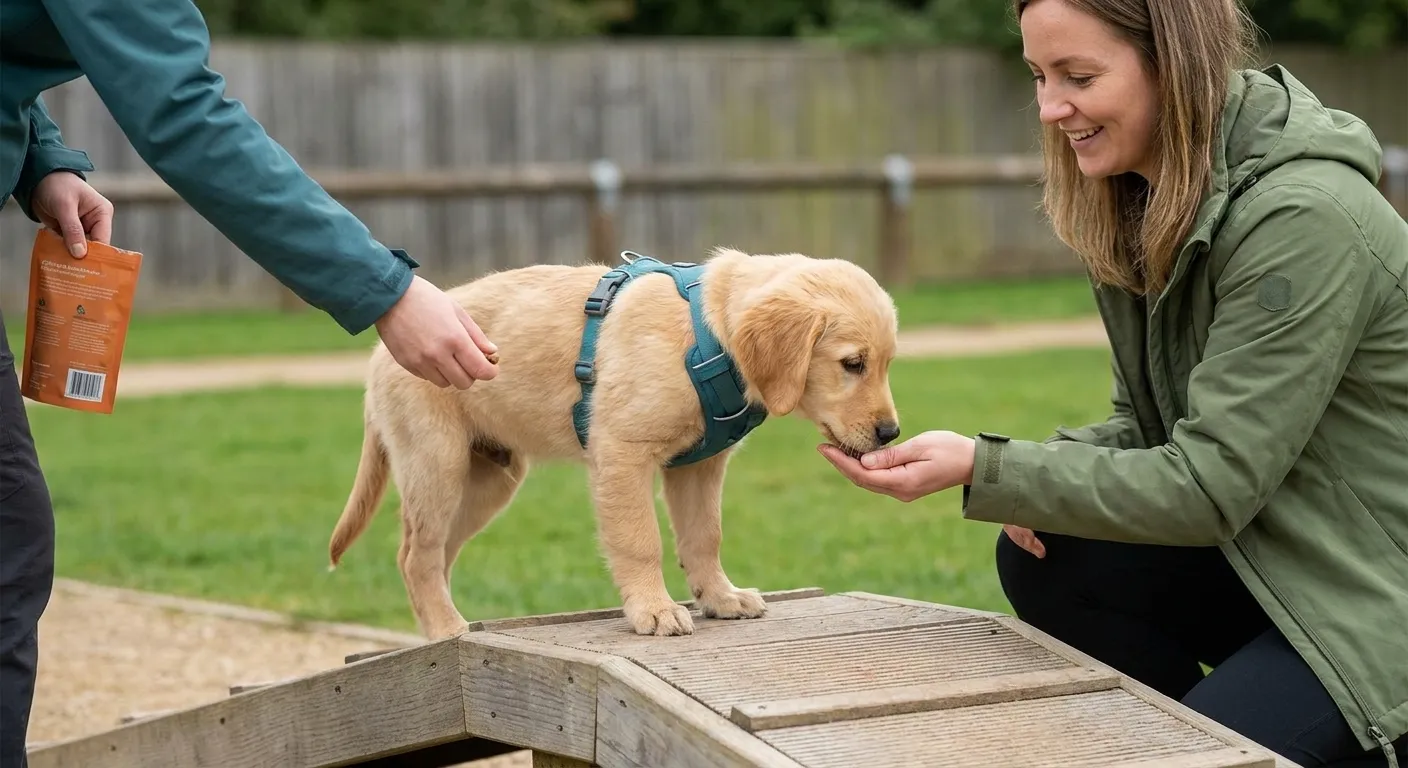
As a new dog parent, you’re likely focused on giving your furry friend the best start in life. Beyond basic obedience, building puppy confidence is paramount for a well-adjusted dog. The pet industry is seeing a notable rise in awareness and demand for products and services supporting emotional well-being, and for good reason. A confident puppy is a happy puppy, less prone to anxiety and behavioral issues as they grow. This article will guide you through practical exposure techniques and the increasingly important concept of neutrality training.
Many everyday dog owners, like Sarah with her puppy Max, want to ensure their pups grow into calm, adaptable adults. Thankfully, there are straightforward methods to help them achieve this. We’ll explore how structured introductions to the world, combined with teaching your puppy to remain calm amidst distractions, can foster a strong sense of self-assurance. This approach focuses on positive experiences and gentle guidance, ultimately leading to a more secure and content canine companion.
Beyond “Hello”: Structured Exposure for Developing Puppy Confidence
Gone are the days when puppy socialization simply meant letting dogs “romp around.” The modern approach, supported by veterinary and animal behavior research, emphasizes “neutrality and focus.” This means teaching your puppy to remain calm and focused on you amidst distractions, seeing the world as interesting but their owner as the most important element. This structured approach is key for developing puppy confidence in a controlled, positive way. For example, rather than just throwing your puppy into a busy park, you’d introduce new experiences gradually and with intention.
Furthermore, proper puppy socialization is crucial during their critical developmental window, typically between 3 and 16 weeks of age. During this time, positive experiences with new sights, sounds, smells, people, and other dogs can significantly impact their future behavior. Conversely, negative or overwhelming experiences can lead to fear and anxiety. Therefore, careful planning and observation are essential to ensure these early encounters are beneficial. Remember, the goal is to build resilience, not to create fear.
Controlled Encounters with New Sights, Sounds, and Smells
Introducing your puppy to a variety of safe, new experiences in a controlled manner is fundamental for enhancing their self-assurance. These exposures should always be short, positive, and end before your puppy becomes overwhelmed. The goal is to create positive associations, not fear.
- Car Rides as Training: Short, positive car rides can be excellent exposure. Drive to a new neighborhood, park, or even just around the block. Keep the radio low, and let your puppy observe the world from the safety of their crate or secured with a car harness. Reward calm observation with treats and praise. This helps them associate car travel with positive outcomes.
- Exploring Surfaces: Take your puppy to walk on various textures: concrete, grass, gravel, wood chips, even gentle slopes. Each new surface builds sensory self-assurance. Ensure safety first, especially on uneven terrain. For instance, always check the ground for sharp objects before letting your puppy explore.
- Sound Desensitization: Play recordings of various sounds at a low volume – city traffic, thunder, children playing. Observe your puppy’s reaction. If they’re calm, reward them. If they show signs of stress, lower the volume or stop and try again later. You can find many free sound libraries online for this purpose.
- New Smells: Allow your puppy to safely sniff new environments on walks, but guide them. Let them investigate a new bush or a different patch of grass. Scent work is a natural confidence booster and a wonderful mental exercise. Always supervise them to prevent them from ingesting anything harmful.
Moreover, consider a variety of indoor exposures. Introduce your puppy to different rooms in your home, household appliances like vacuum cleaners (from a distance at first), and various types of flooring. Each new encounter, when managed positively, contributes to their overall sense of security and helps in developing puppy confidence. Remember that consistency is key; regular, brief sessions are more effective than infrequent, long ones.
Mastering Neutrality: Your Puppy’s Focus on YOU
Neutrality training is about teaching your puppy that while the world is full of interesting things, you are their anchor and the most rewarding focus. This is crucial for building puppy confidence in busy environments. This training helps them understand that they don’t need to react to every stimulus, but rather can look to you for guidance and reassurance. Consequently, they learn to self-regulate their responses to distractions.
The “Look at That” Game for Calmness
This simple game teaches your puppy to notice a distraction, look at you, and get rewarded. It’s an excellent way to reinforce focus on you amidst interesting surroundings. Furthermore, it helps your puppy build positive associations with distractions, rather than developing fear or over-excitement.
- When your puppy notices something (another dog, a person, a loud noise), say “Look at that!” in a calm, neutral tone.
- As soon as they glance at the distraction, mark the behavior (e.g., with a clicker or a verbal “Yes!”) and immediately reward them when they turn their attention back to you. The reward should be high-value, like a small piece of cheese or cooked chicken.
- Repeat this process, gradually increasing the intensity or proximity of the distraction. The goal is for your puppy to voluntarily look at you after noticing something, anticipating a reward.
This game is incredibly versatile and can be practiced in various settings, from quiet parks to busier street corners. It directly contributes to fostering puppy self-assurance by empowering them to choose to engage with you rather than being overwhelmed by their environment. For more tips on fundamental training, check out our guide on Teaching Your Dog Basic Commands: Sit, Stay, and Come.
Practicing Calmness in Public Spaces
Once your puppy is comfortable with the “Look at That” game in low-distraction environments, you can gradually introduce them to more public spaces. Always choose times and locations that are less crowded initially. For example, a quiet park early in the morning can be a great starting point.
- Observation Sessions: Find a bench at a park or a quiet outdoor cafe where you can sit with your puppy. Allow them to observe the world around them from a distance. Reward them frequently for calm behavior, even if they are just lying quietly. The idea is to normalize these environments without forcing interaction.
- Short Walks with Purpose: When walking, focus on loose-leash walking and periodically ask for your puppy’s attention. Use treats to reward them for checking in with you. If they become overstimulated, gently guide them to a quieter spot or simply observe from a distance until they calm down. Understanding Dog Leashes and Collars: Making the Right Choice can help you select the right gear for these walks.
- Neutral Greetings: When encountering other dogs or people, aim for neutral interactions. Avoid overly excited greetings. If your puppy is calm, allow a brief, controlled sniff or interaction, then move on. If they are too excited, redirect their focus to you with a treat and praise.
The key to these sessions is to keep them short, positive, and always within your puppy’s comfort zone. Pushing them too far too fast can be counterproductive and undermine your efforts in building puppy confidence. Gradually increasing exposure while maintaining a calm demeanor yourself will teach your puppy how to navigate the world with poise.
The Role of Positive Reinforcement in Building Puppy Confidence
Positive reinforcement is the cornerstone of all effective dog training, especially when it comes to fostering puppy self-assurance. This method involves rewarding desired behaviors, making them more likely to occur again. It creates a positive learning environment where your puppy feels safe to try new things and make mistakes, knowing they will be encouraged, not punished.
When your puppy successfully navigates a new surface, remains calm during a sound exposure, or focuses on you amidst distractions, a timely reward reinforces that behavior. This could be a tasty treat, verbal praise, a favorite toy, or a gentle pet. The timing of the reward is crucial; it should happen within a few seconds of the desired action so your puppy clearly associates the reward with their behavior. Consistent use of positive reinforcement will significantly enhance your puppy’s emotional resilience and contribute to building puppy confidence over time.
Avoiding Overwhelm and Negative Experiences
While exposure is important, it’s equally vital to protect your puppy from overwhelming or negative experiences. A single scary encounter can set back progress significantly when you are developing puppy confidence. Therefore, always prioritize your puppy’s comfort and safety.
- Observe Body Language: Learn to read your puppy’s body language. Signs of stress include lip licking, yawning, tail tucked, ears back, excessive panting, or trying to hide. If you notice these signs, remove your puppy from the situation immediately.
- Never Force Interaction: Do not force your puppy to interact with people, other dogs, or objects if they are showing fear. This can create lasting negative associations. Instead, create distance and observe from afar, rewarding calmness.
- Short and Sweet: Keep exposure sessions brief. It’s better to have several short, positive experiences than one long, overwhelming one. Always end on a high note, even if it means cutting a session short.
For more detailed guidance on safe socialization, you might find our article How to Socialize Your Puppy Safely and Effectively particularly helpful. Protecting your puppy from undue stress is a critical component of encouraging puppy self-assurance.
Everyday Habits for a Confident Canine
Beyond structured training sessions, several everyday habits contribute significantly to building puppy confidence. These are simple, consistent actions that reinforce your puppy’s sense of security and belonging. Consequently, they feel more secure in their environment and their relationship with you.
- Consistent Routine: Dogs thrive on routine. A predictable schedule for feeding, potty breaks, playtime, and sleep helps your puppy feel secure and understand what to expect. This predictability reduces anxiety and fosters a sense of control over their environment, which in turn helps in developing puppy confidence.
- Safe Space: Ensure your puppy has a designated safe space, like a crate or a cozy bed in a quiet corner, where they can retreat when they feel overwhelmed or just need to rest. This personal sanctuary is vital for their emotional well-being. Consider exploring our advice on Finding the Best Dog Beds for Comfort and Durability to create the perfect spot.
- Regular Playtime: Engaging in regular, positive playtime with your puppy strengthens your bond and provides an outlet for their energy. Play also teaches them social cues and appropriate behavior. Choosing Safe Durable Dog Toys ensures playtime is always fun and secure.
- Basic Training: Continuing with basic obedience commands not only makes your puppy well-behaved but also boosts their confidence. Knowing what’s expected of them and being able to perform tasks correctly gives them a sense of accomplishment.
Remember, your puppy looks to you for guidance and reassurance. Your calm, consistent, and positive demeanor will be their greatest source of strength as they navigate the world. By integrating these habits into your daily life, you are actively contributing to building puppy confidence and raising a happy, well-adjusted companion.
For further reading on understanding canine behavior and ensuring your pup’s mental well-being, resources like the American Veterinary Society of Animal Behavior provide valuable insights into positive training methods. Additionally, the ASPCA website offers extensive information on common dog behavior issues and how to address them with humane techniques. These external resources can complement the practical advice provided here, offering a broader perspective on canine psychology and behavior modification. By staying informed, you can make the best choices for your growing puppy’s emotional health.
Conclusion: Raising a Resilient, Happy Dog
Raising a confident puppy is one of the most rewarding aspects of dog ownership. By combining structured exposure with thoughtful neutrality training, you’re providing your furry friend with the tools they need to navigate the world calmly and happily. Remember to always prioritize positive reinforcement, observe your puppy’s body language, and create a safe, predictable environment. These strategies are essential for building puppy confidence.
Every positive interaction, every successful exposure, and every moment of calm observation contributes to a strong foundation for your puppy’s emotional well-being. With patience, consistency, and a loving approach, you’ll witness your puppy blossom into a resilient, joyful, and well-adjusted companion. Ultimately, this journey is about nurturing their innate potential and strengthening the incredible bond you share. Your efforts in developing puppy confidence will undoubtedly lead to a happier life for both of you.
FAQ: Helping Your Puppy Feel Secure
What is the most important thing for developing puppy confidence?
The most important thing is consistent, positive exposure to new sights, sounds, and experiences in a controlled manner, always ensuring your puppy feels safe and supported by you. Coupled with this, teaching them to focus on you amidst distractions helps them feel secure.
How can I tell if my puppy is feeling overwhelmed during exposure training?
Look for signs like lip licking, yawning (when not tired), tail tucked, ears flattened, excessive panting, trying to hide, or pulling away. If you notice these, it’s time to remove your puppy from the situation and try again later with less intensity.
Is it ever too late to start enhancing puppy self-assurance?
While the critical socialization window is important, it’s never too late to work on building a dog’s confidence. Older puppies and even adult dogs can benefit immensely from positive exposure, neutrality training, and consistent positive reinforcement, though progress might be slower.
What are some easy ways to incorporate neutrality training into daily life?
Practice the “Look at That” game during walks, reward your puppy for calmly observing people or other dogs from a distance, and ensure they have a quiet place to retreat. These small, consistent efforts significantly help in fostering puppy self-assurance.
Should I use treats for every positive exposure?
Yes, especially when starting out. Treats are a powerful tool for positive reinforcement, helping your puppy associate new experiences with something pleasant. As they become more confident, you can vary rewards with praise or toys, but treats are highly effective for building puppy confidence initially.