Accidents happen, and just like with human family members, being prepared for emergencies can make a significant difference for your dog. A well-stocked dog first aid kit is an essential item for every responsible pet owner, providing you with the tools to handle minor injuries or provide immediate care before you can reach a veterinarian. While it’s not a substitute for professional veterinary care, a basic first aid kit can help stabilize your dog in a crisis and offer comfort for smaller scrapes and ailments. Let’s look at what you should include in yours.
Why Every Dog Owner Needs a Pet First Aid Kit
As a loving dog parent, you want to ensure your furry friend is always safe and sound. However, unexpected situations can arise, from a minor cut on a paw to a sudden allergic reaction. Having a readily available pet emergency kit means you can act quickly. This immediate response can often prevent a situation from worsening, providing crucial time to get your dog to professional veterinary care if needed. Furthermore, it gives you peace of mind knowing you’re equipped to handle common mishaps that might occur during walks, playtime, or even at home.
Think of it this way: you wouldn’t leave home without a basic first aid kit for your family, right? Your dog deserves the same level of preparedness. A canine emergency kit is not just for major incidents; it’s incredibly useful for everyday scrapes and bumps. Consequently, it helps you address minor issues promptly, which can make a big difference in your dog’s comfort and recovery. Knowing you have the right supplies on hand reduces stress for both you and your pet during a stressful moment.
Essential Items for Your Dog First Aid Kit
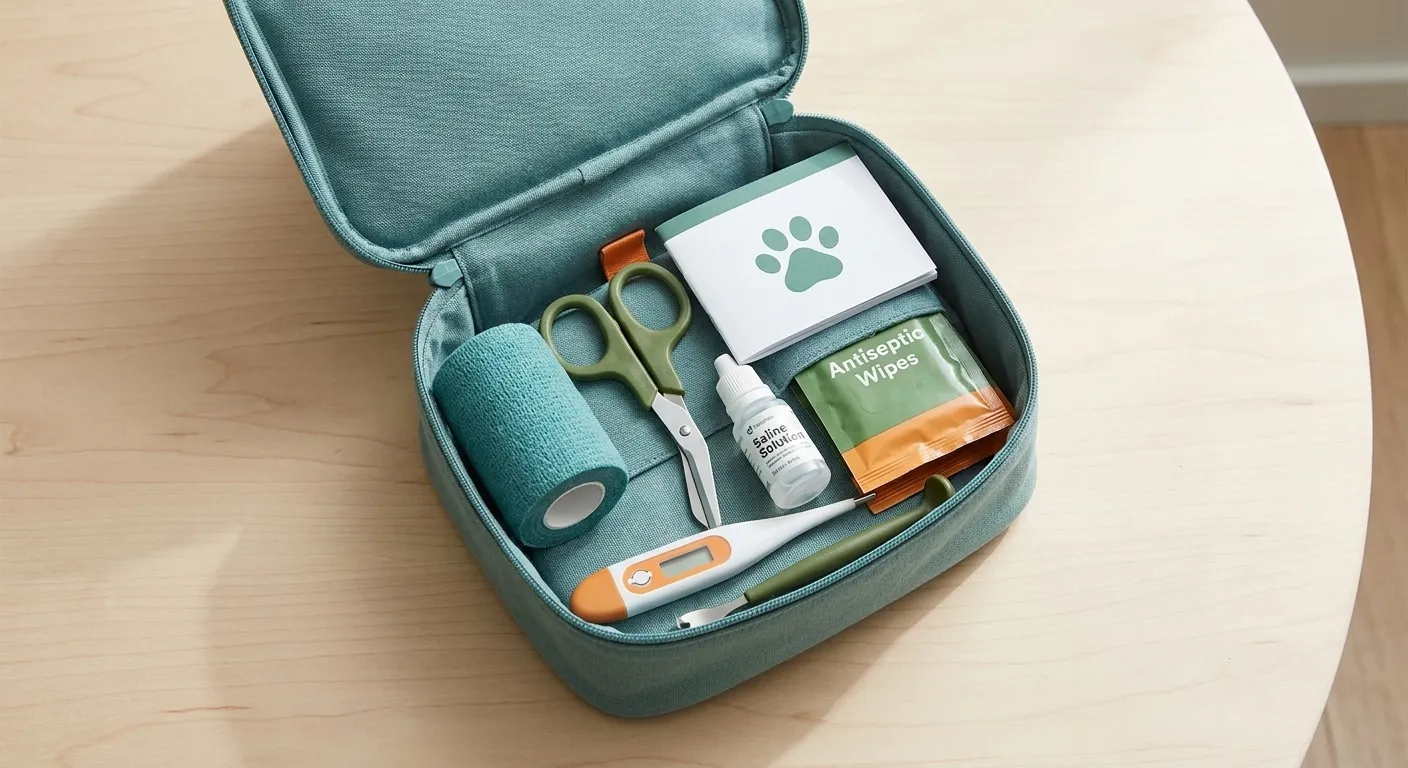
Your dog first aid kit should contain a mix of wound care supplies, basic medical tools, and comfort items. Start with wound care. You will need sterile gauze pads in various sizes. Also, include adhesive tape, preferably pet-specific or non-stick medical tape, to secure dressings without pulling on fur. Antiseptic wipes, like chlorhexidine or povidone-iodine, are crucial; remember to dilute them as directed by your vet. A clean cloth or towel is also indispensable for cleaning or applying pressure.
For tools, include blunt-nosed scissors. These are safe for cutting gauze or tape, or carefully trimming fur around a wound. Tweezers are essential for removing splinters, thorns, or ticks. A digital rectal thermometer is another must-have item. Always know your dog’s normal temperature, which typically ranges from 100 to 102.5°F. You will also want non-latex gloves for hygiene and to protect yourself from potential contaminants. Furthermore, a muzzle is vital, even if your dog is normally gentle, because pain can make any dog unpredictable. A small flashlight is extremely useful for examining wounds in low light conditions or checking eyes.
Wound Care and Cleaning Supplies
Beyond the basics, consider adding a few more specialized items for wound care. For instance, a sterile saline solution is perfect for gently flushing wounds or eyes. This helps remove debris without causing irritation. Additionally, a non-stick bandage material, such as self-adhering wrap (often called vet wrap), is excellent for securing dressings. It sticks to itself, not your dog’s fur, making it easy to apply and remove. Another useful item is an antiseptic spray for quick application to minor scrapes. Always ensure these products are safe for canine use and consult your veterinarian if you are unsure.
Keeping wounds clean is paramount to preventing infection. Therefore, having a sufficient supply of sterile cotton balls or swabs can aid in applying antiseptics precisely. Moreover, a small bottle of hydrogen peroxide can be used to induce vomiting if your dog ingests something toxic, but *only* under the direct guidance of a veterinarian or poison control. It’s important to stress that self-treating poisoning can be dangerous, so always call for professional advice first. For minor cuts, a pet-safe antibiotic ointment can provide an extra layer of protection against bacteria.
Medications and Contact Information for Your Canine First Aid Kit
While specific medications should always be used under veterinary guidance, some general items can be useful in your dog’s emergency kit. A mild antihistamine, such as diphenhydramine (Benadryl), can be included for allergic reactions, but you *must* consult your vet for the correct dosage based on your dog’s weight. Never administer human medications without professional advice. Similarly, a small amount of activated charcoal might be recommended by a vet in cases of certain ingestions, but again, this requires specific instructions.
Always keep your veterinarian’s contact information readily accessible in your kit. This includes their office number and the number for an emergency veterinary clinic. Furthermore, the ASPCA Animal Poison Control Center (1-888-426-4435) should also be listed. This information is invaluable when every second counts during an emergency. You might also include a small notebook and pen to jot down symptoms or times of medication administration. This helps you provide accurate details to your vet later.
Preparing for Specific Scenarios
Beyond the general supplies, thinking about specific scenarios can enhance your preparedness. For example, if your dog spends a lot of time outdoors or in wooded areas, a tick removal tool is a must-have in your emergency kit for dogs. For dogs prone to motion sickness during travel, having a prescribed anti-nausea medication (from your vet) could be added to your dog’s emergency kit. If your dog has known allergies, ensure you have any prescribed EpiPen or other specific medications readily available.
Consider also including items for stabilizing fractures or sprains. While you can’t set a bone, a roll of conforming bandage and some splinting material (like a rolled newspaper or magazine) can help immobilize an injured limb until you reach the vet. A pet stretcher or a sturdy blanket can also be useful for safely transporting an injured dog. For those with new puppies, anticipating common puppy ailments and discussing appropriate first aid measures with your vet is a wise step.
Maintaining Your Dog First Aid Kit
Building a dog first aid kit is just the first step; maintaining it is equally important. Check your kit regularly, at least every three to six months. Replace expired items, especially medications and antiseptic solutions. Ensure all supplies are clean, intact, and sterile. For instance, check that gauze pads are still sealed and tapes are not dried out. Keeping a checklist inside the kit can help you track what needs replenishing.
Furthermore, store your pet first aid kit in an easily accessible location, both at home and when traveling. If you frequently take your dog on adventures, consider having a smaller, portable version of your emergency kit for dogs to bring along. This can be placed in your dog car safety gear. Knowing how to use each item is just as important as having it. Therefore, familiarize yourself with basic pet first aid techniques through a class or by consulting reliable online resources like the American Veterinary Medical Association (www.avma.org) or the American Red Cross (www.redcross.org). Practice makes perfect, and understanding how to apply a bandage or take your dog’s temperature can save valuable time during an actual emergency.
Preparing for Different Environments
Your emergency kit for dogs might need slight adjustments depending on your lifestyle and environment. If you live in an area with a lot of insects or snakes, adding a venom extractor (used with caution and professional advice) or a specific snake bite kit (again, only if recommended by your vet for your region) could be considered. For hikers, items to treat paw pad injuries, like paw balm or protective booties, might be beneficial additions to your dog first aid kit. Always tailor your supplies to your dog’s specific needs and your typical activities.
For owners of senior dogs, who might have more delicate skin or specific health conditions, extra gentle tapes and specific medications prescribed by your vet should be included. If your dog has a chronic illness, ensure you have extra doses of their daily medication in your emergency kit for dogs. This foresight ensures you are always prepared, regardless of the situation. Regular vet check-ups are also crucial for discussing these specific needs and ensuring your kit is up-to-date with your dog’s health profile.
The Importance of Training and Knowledge
While having a well-stocked dog’s emergency kit is vital, the knowledge of how to use its contents is equally, if not more, important. Consider taking a pet first aid and CPR course. Many local animal shelters, veterinary clinics, or Red Cross chapters offer these classes. These courses teach you essential skills like how to perform CPR, control bleeding, treat shock, and manage choking incidents. This practical experience can significantly boost your confidence and effectiveness during a real emergency.
Understanding basic canine anatomy and vital signs also plays a crucial role. Knowing what your dog’s normal pulse rate, respiratory rate, and gum color should be helps you identify when something is wrong. This information allows you to give accurate details to your veterinarian, which can speed up diagnosis and treatment. Therefore, the best dog first aid kit is one that is paired with an informed and prepared owner.
Conclusion
Building a dog first aid kit is a proactive step towards ensuring your dog’s safety and well-being. It empowers you to respond effectively to minor incidents and provide crucial initial care during emergencies, proving invaluable when every second counts. Remember, while this kit is a powerful tool, it’s not a replacement for professional veterinary care. Always contact your vet for serious injuries or illnesses. With a well-prepared kit and a calm approach, you can be your dog’s first line of defense, offering comfort and critical support when they need it most. This simple act of preparation truly reflects your commitment to your beloved companion’s health and happiness.
FAQ: What is a pet emergency kit?
A pet emergency kit is a collection of essential supplies and tools designed to help dog owners address minor injuries, provide immediate care during accidents, or stabilize a dog before professional veterinary help can be reached. It’s a vital part of responsible pet ownership.
FAQ: How often should I check my canine emergency kit?
You should check your canine emergency kit every three to six months. This regular check-up ensures that all medications are not expired, supplies are clean and intact, and everything is replenished as needed.
FAQ: What are the most important items to include in a dog’s first aid kit?
Key items for a dog’s first aid kit include sterile gauze, antiseptic wipes, adhesive tape, blunt-nosed scissors, tweezers, a digital thermometer, non-latex gloves, and a muzzle. Always include your vet’s contact info and poison control numbers.
FAQ: Can I use human first aid supplies for my dog?
Some human first aid supplies, like gauze and tape, can be used for dogs. However, many human medications are toxic to dogs. Always consult your veterinarian before administering any human medication or using products not specifically designed for pets.
FAQ: Where should I keep my dog’s emergency supplies?
Keep your dog’s emergency supplies in an easily accessible location at home, away from direct sunlight and extreme temperatures. If you travel with your dog, consider a smaller, portable version to keep in your car or travel bag for quick access.