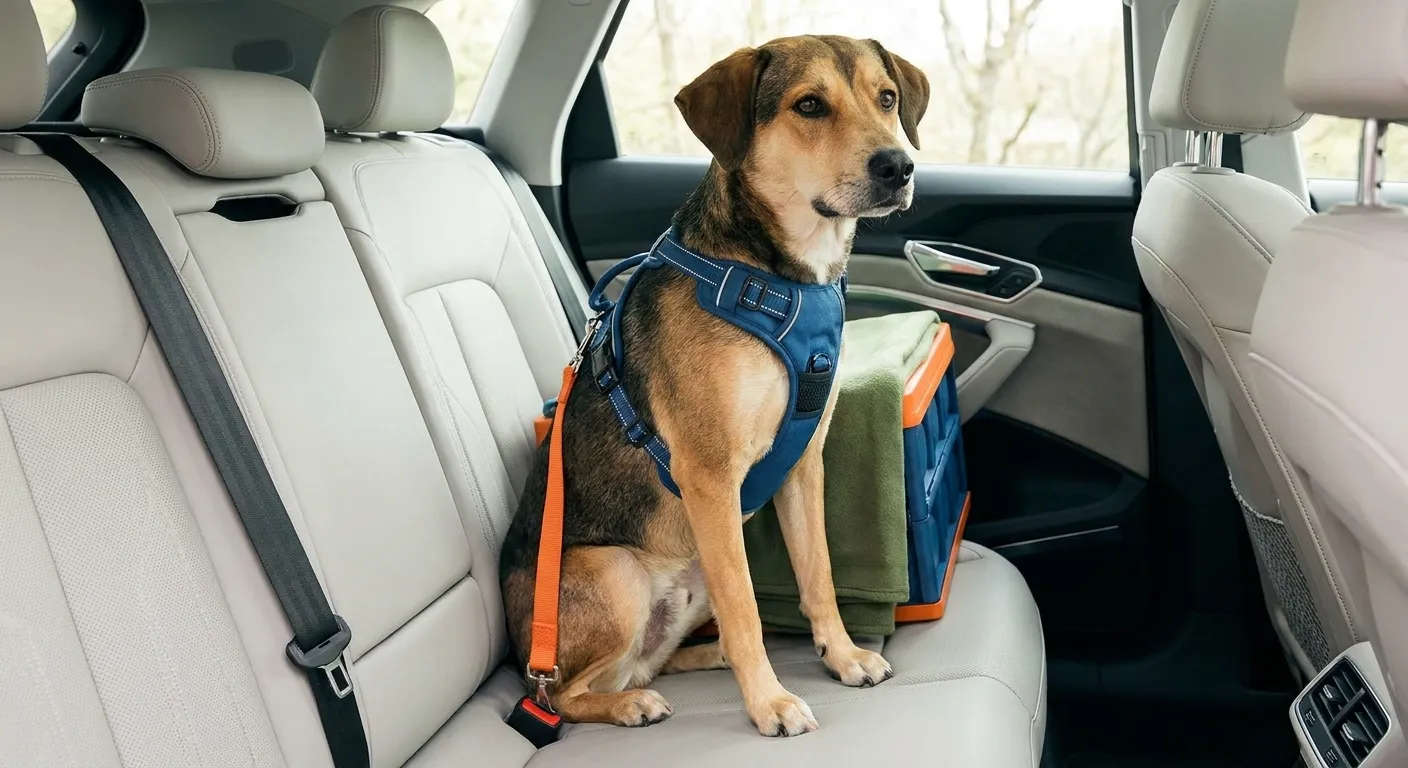
Traveling with your dog can be a joyous experience, filled with exciting new smells and adventures. However, prioritizing dog car safety should always be your top concern when hitting the road. An unrestrained pet can pose a significant danger, not only as a distraction for the driver but also as a serious projectile in the event of a sudden stop or accident. Beyond these critical safety aspects, securing your dog properly can also make car rides much more comfortable and less stressful for everyone involved. Let’s explore the essential gear and practical tips for making every journey a safe and enjoyable one for you and your beloved canine companion.
Understanding the Importance of Dog Car Safety
Many pet owners might not realize the potential risks involved when their dog rides unsecured in a vehicle. For instance, even a small dog can generate significant force during a sudden stop. Consider a 10-pound dog in a car traveling at just 30 mph; in a crash, that dog can exert a force of 300 pounds. This force dramatically increases with the dog’s weight and vehicle speed. Clearly, this poses a serious risk to both the dog and human occupants. Therefore, understanding the physics behind these dangers highlights why proper pet restraint is not just a recommendation but a necessity for true dog car safety.
Moreover, an unsecured dog can easily become a distraction. They might try to climb into the driver’s lap, bark at passing cars, or chew on something they shouldn’t. These actions can divert the driver’s attention from the road, potentially leading to accidents. Consequently, taking simple steps to secure your dog can prevent these distractions, allowing you to focus on driving safely. This also contributes to a calmer environment inside the car, which benefits both you and your furry friend.
Essential Gear for Dog Car Safety: Harnesses and Crates
The most effective ways to ensure optimal dog car safety involve either a crash-tested car harness or a sturdy travel crate. Both options offer distinct advantages, and the best choice often depends on your dog’s size, temperament, and your specific travel needs.
Crash-Tested Car Harnesses: Secure and Comfortable
A crash-tested car harness is specifically designed to secure your dog to the vehicle’s seatbelt system. Importantly, these harnesses are engineered to distribute impact forces across your dog’s chest in the unfortunate event of an accident. This design minimizes pressure on their neck and spine, significantly reducing the risk of injury. When selecting a car harness, look for certifications from reputable organizations. For example, the Center for Pet Safety (CPS) conducts rigorous testing on pet travel products, and their certifications are a strong indicator of a product’s effectiveness and reliability. Always ensure the harness fits snugly but comfortably, allowing your dog to sit, stand, and lie down without restriction. Furthermore, always follow the manufacturer’s instructions for proper installation and use to maximize its effectiveness.
Travel Crates: A Safe Den on Wheels
For many dogs, a sturdy travel crate provides a familiar, den-like space that can significantly reduce anxiety during car rides. This enclosed environment can make your dog feel more secure and less prone to motion sickness. When choosing a crate, ensure it is just large enough for your dog to stand up, turn around, and lie down comfortably. A crate that is too large can allow too much movement, reducing its protective qualities. Crucially, the crate must be properly secured in the vehicle. You can achieve this using seatbelts, cargo straps, or by placing it in the cargo area of an SUV where it cannot shift or slide. For added peace of mind, some crates are also crash-tested, providing an extra layer of protection. Moreover, ensure the crate offers good ventilation, especially on warmer days, to keep your dog comfortable throughout the journey.
Beyond the Basics: Smart Travel Tips for Pet Owners
Even with the right restraint, there are other important considerations for comprehensive dog car safety. Implementing these additional tips can make a significant difference in your dog’s comfort and overall well-being during travel.
Protecting Your Pet During the Ride
It’s tempting to let your dog ride with their head out the window, enjoying the breeze and smells. However, this practice can be quite dangerous. It exposes their eyes to debris, dust, and insects, potentially leading to serious eye injuries or infections. Additionally, the constant wind can cause ear infections. Therefore, always keep windows rolled up enough to prevent your dog from sticking their head out. Similarly, always engage child locks on windows to prevent accidental openings, which could lead to a fall or escape. This simple precaution ensures your dog remains safely inside the vehicle at all times.
Maintaining Vehicle Cleanliness and Comfort
Let’s be honest, dogs can be messy travelers! Consider investing in a car seat cover to protect your upholstery from fur, dirt, slobber, and accidental spills. These covers are typically easy to install and remove, making clean-up a breeze after your adventures. Many are also waterproof, adding an extra layer of protection. Furthermore, for longer trips, a comfortable blanket or a familiar toy can help your dog relax and feel more at home in the car. This can significantly reduce stress and anxiety, making the journey more pleasant for everyone.
Packing Essentials for Your Canine Companion
Just like you pack for yourself, remember to pack a separate bag of essentials for your dog. This should include fresh water, a portable bowl, their regular food, and any necessary medications. A favorite toy can provide comfort and entertainment, while waste bags are crucial for responsible potty breaks. Planning for frequent stops is also vital. Dogs need opportunities to stretch their legs, relieve themselves, and burn off some energy. Aim for breaks every 2-3 hours, allowing them to sniff around and get some exercise. These planned stops contribute greatly to their overall happiness and comfort during travel.
Never Leave Your Dog Unattended
This point cannot be stressed enough: never leave your dog unattended in a hot car, even for a few minutes. Temperatures inside a vehicle can rise rapidly, even on moderately warm days, quickly becoming fatal for a dog. Dogs cannot sweat like humans and are highly susceptible to heatstroke. If you need to leave your car, even briefly, always take your dog with you. If that’s not possible, it’s best to leave them at home. This is a critical aspect of responsible pet ownership and dog car safety.
Additional Considerations for Safe Pet Travel
Beyond the primary gear and tips, a few other elements can enhance your pet’s travel experience and overall safety. Thinking ahead about these details can prevent potential problems.
Preparing for Emergencies
It’s always wise to be prepared for the unexpected. Carry a basic pet first-aid kit in your car, stocked with items like antiseptic wipes, bandages, and any specific medications your dog might need. Also, ensure your dog wears an ID tag with up-to-date contact information, including your cell phone number. In case of an emergency, this ensures they can be identified and returned to you quickly. Some owners even consider microchipping their pets for an added layer of identification security. Knowing your pet’s microchip number and having it registered is crucial.
Acclimating Your Dog to Car Travel
Not all dogs are natural road trippers. Some may experience anxiety or motion sickness. Start with short, positive trips to fun destinations like a park or a friend’s house. Gradually increase the duration of these trips. Reward calm behavior with treats and praise. If your dog suffers from motion sickness, consult your veterinarian. They might recommend specific medications or strategies to make car rides more comfortable. Patience and positive reinforcement are key to building your dog’s confidence in the car. For some dogs, a familiar blanket or toy, or even a puzzle toy, can help distract them during the journey, especially on longer rides.
Outbound Links for Further Research
For more detailed information on crash-tested pet restraints, you can visit the Center for Pet Safety’s website. They provide comprehensive reports and lists of certified products. Additionally, for general advice on traveling with pets, the ASPCA offers valuable resources.
Choosing the Right Gear for Your Dog’s Car Safety Needs
Selecting the appropriate gear is a crucial step in ensuring your pet’s well-being during car travel. Consider your dog’s size and temperament. A large, energetic dog might benefit more from a robust, crash-tested crate, especially if they tend to move around a lot. Smaller dogs might be comfortable in a booster seat with a secure harness, giving them a view while keeping them restrained. Meanwhile, a calm, medium-sized dog might do well with just a crash-tested harness. Always prioritize safety and comfort when making your choice. Remember, the goal is to prevent distractions and protect your dog in any situation. For additional advice, our blog offers many helpful articles on pet care and product recommendations.
Final Thoughts on Dog Car Safety
Investing in appropriate dog car safety gear and diligently following these practical tips ensures that every road trip is a secure and pleasant experience for both you and your beloved canine companion. Remember, your dog’s safety is just as important as your own. By taking these precautions, you’re not only protecting them but also ensuring a safer journey for everyone in the vehicle. Drive safely, enjoy the adventure, and cherish the moments you share with your furry friend on the open road!
We hope this guide has provided you with valuable insights into making car travel with your dog as safe and stress-free as possible. From selecting the right restraint to packing essential supplies, every step contributes to a happier and healthier travel experience. Prioritizing your dog’s well-being allows you to focus on the joy of exploring new places together.
FAQ Section
What are the primary risks of not securing my dog in the car?
Not securing your dog can lead to several serious risks, including driver distraction, your dog becoming a dangerous projectile in an accident, and potential injury to your pet from sudden stops or impacts.
How do I choose between a car harness and a travel crate for my dog?
The best choice depends on your dog’s size, temperament, and your specific vehicle. Crash-tested harnesses are great for dogs who prefer to be seated and visible. Crates offer a secure, den-like space and are often preferred for dogs prone to anxiety or motion sickness. Ensure both are properly secured.
Are there any specific certifications I should look for in pet car restraints?
Yes, for car harnesses and some crates, look for certifications from organizations like the Center for Pet Safety (CPS). Their rigorous testing helps ensure the product provides effective protection in a collision.
What should I pack for my dog on a long road trip?
For long trips, pack essentials such as fresh water, a portable bowl, their regular food, any necessary medications, waste bags, and a favorite toy or blanket to provide comfort. Also, plan for frequent potty breaks.
Why is it dangerous to let my dog stick their head out the car window?
Letting your dog ride with their head out the window exposes them to potential eye injuries from debris, dust, and insects. It can also lead to ear infections from constant wind exposure and poses a risk if they were to fall or jump out.
Can I leave my dog in the car for a short time if the windows are cracked?
Absolutely not. Even with cracked windows, temperatures inside a car can rise rapidly to dangerous and fatal levels, even on a mild day. It is never safe to leave your dog unattended in a vehicle.