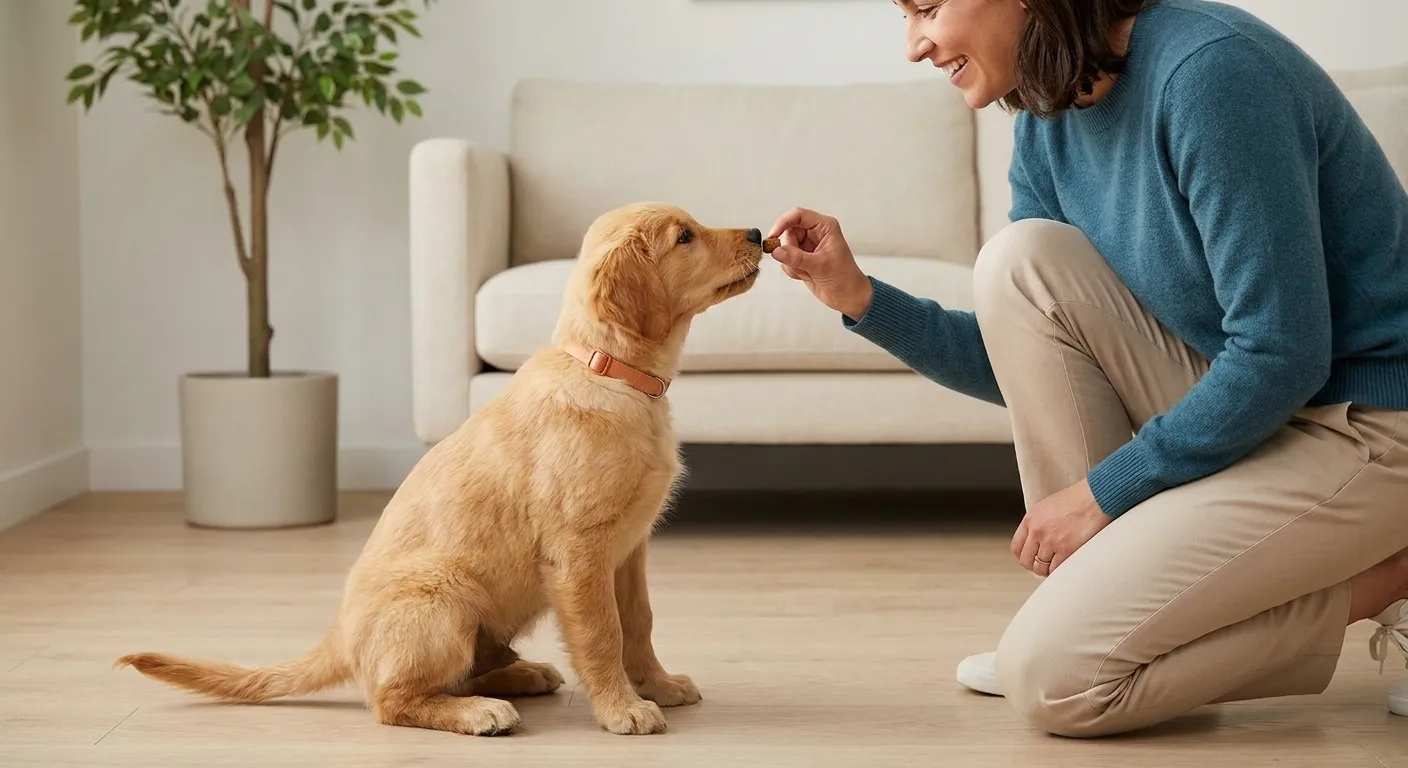
Bringing home a new puppy is an exciting time, and establishing good habits early on is key to a happy life together. One of the most effective ways to teach your puppy desired behaviors is through positive puppy reinforcement. This method focuses on rewarding good behavior, making your puppy more likely to repeat it, and fostering a strong, trusting bond between you and your furry friend. Instead of punishment, we celebrate success, no matter how small.
The Basics of Positive Puppy Reinforcement
Positive reinforcement is all about making training a fun and rewarding experience for your puppy. When your puppy performs an action you like (like sitting, staying, or coming when called), you immediately give them something they value – a treat, praise, a favorite toy, or a quick game. The timing is crucial; the reward needs to happen within 1-3 seconds of the desired behavior so your puppy connects their action with the positive outcome. Start with high-value treats (small, soft, and extra tasty) for new commands, and gradually move to less frequent rewards and more praise as they learn. Furthermore, consistency is key; everyone in the household should use the same commands and reward system.
Practical Steps for Everyday Training
Incorporating positive reinforcement into your daily routine is simpler than you might think. For instance, when your puppy sits automatically before getting their food bowl, quietly say “Sit” and then immediately place the bowl down. This reinforces the ‘sit’ command in a real-life context. For house training, reward your puppy enthusiastically every time they potty outside with praise and a small treat. For loose-leash walking, reward them every few steps they walk nicely beside you. Keep training sessions short (5-10 minutes) and frequent throughout the day to match your puppy’s attention span and make learning enjoyable. Moreover, remember that patience is a virtue when teaching new skills.
Positive puppy reinforcement builds a foundation of trust and understanding. By consistently rewarding the behaviors you want to see, you’re not just training a puppy; you’re nurturing a confident, well-adjusted companion who loves to learn and interact with you. Embrace the journey with patience and plenty of positive vibes!
Why Positive Reinforcement Training Works for Puppies
This training approach is incredibly effective because it taps into a puppy’s natural desire to please and to seek out enjoyable experiences. When a puppy associates a specific action with a pleasant outcome, they are much more inclined to repeat that action. Conversely, methods based on punishment can create fear and anxiety, potentially damaging the bond between you and your puppy. Additionally, punishment often suppresses unwanted behaviors without teaching the puppy what to do instead, leading to confusion and stress. Positive puppy reinforcement, however, clearly communicates desired actions, making learning straightforward and fun for your new companion. It truly helps in building a happy and well-behaved dog.
Understanding Your Puppy’s Motivators
Every puppy is unique, so understanding what truly motivates yours is essential for successful positive puppy reinforcement. For many, small, soft training treats are highly effective, especially in the initial stages. Think about tiny pieces of cooked chicken, cheese, or specialized training treats. Other puppies might be more motivated by a favorite squeaky toy, a quick game of fetch, or even just enthusiastic verbal praise and gentle petting. Observing your puppy’s reactions will help you identify their preferred rewards. For example, if they ignore a treat but eagerly chase a ball, use the ball as a reward. Varying your rewards can also keep training exciting and prevent your puppy from getting bored. Furthermore, consider the environment; a quiet space is often best for introducing new commands.
Key Principles of Effective Puppy Training
Successful positive puppy reinforcement relies on a few core principles. First, teaching your dog basic commands like sit, stay, and come should always start with clear, consistent cues. Use short, distinct words and hand signals. Second, timing is paramount. Deliver the reward within 1-3 seconds of the desired behavior. This immediate feedback helps your puppy understand exactly what they did right. Third, keep training sessions short and positive. Puppies have short attention spans, so multiple short sessions throughout the day are more effective than one long, tedious one. Fourth, be patient. Learning takes time, and every puppy learns at their own pace. Finally, always end on a positive note, even if it means asking for an easy command your puppy already knows and rewarding them for it. This leaves them feeling successful and eager for the next session. Many resources, like those from the ASPCA, emphasize the benefits of these positive methods.
Applying Positive Reinforcement to Common Puppy Challenges
Positive puppy reinforcement is a versatile tool for addressing a range of common puppy behaviors. For instance, when it comes to puppy potty training, consistently rewarding your puppy every time they eliminate outside reinforces the desired location. Similarly, for nipping or biting, redirecting your puppy to an appropriate chew toy and then praising them for chewing the toy teaches them what is acceptable. When your puppy is calm and relaxed, reward that behavior; this encourages them to settle down more often. It’s about showing them what you want them to do, rather than punishing what you don’t. This approach builds confidence and a desire to cooperate, rather than fear.
House Training and Crate Training with Positive Methods
House training is a crucial aspect of puppy ownership, and positive reinforcement is your best friend here. Take your puppy out frequently, especially after waking up, eating, and playing. When they go potty outside, immediately offer enthusiastic praise and a small, high-value treat. This creates a strong positive association with eliminating in the correct spot. Never punish accidents indoors; instead, clean them thoroughly and go back to basics with more frequent outdoor trips. Similarly, crate training can be made positive by associating the crate with good things. Feed meals in the crate, offer special toys only available in the crate, and never use it for punishment. Over time, the crate becomes a safe, comfortable den for your puppy. This method makes the crate a positive space, fostering security and independence. The Humane Society provides excellent guidelines on positive crate training.
Teaching Leash Manners and Socialization
For enjoyable walks, positive puppy reinforcement is key to teaching leash manners. When your puppy walks nicely beside you without pulling, reward them frequently with treats and praise. If they pull, stop walking until the leash slackens, then continue. This teaches them that polite walking gets them where they want to go. For how to socialize your puppy safely and effectively, positive experiences are vital. Expose your puppy to a variety of sights, sounds, people, and other vaccinated dogs in a controlled, positive way. Reward calm curiosity and brave investigation with treats and praise. This helps them develop into confident, well-adjusted adult dogs. Remember, every new experience should be a positive one.
Addressing Nipping and Chewing Positively
Puppies explore the world with their mouths, so nipping and chewing are natural behaviors. Instead of punishment, use positive puppy reinforcement to guide them to appropriate outlets. When your puppy nips your hand, immediately yelp (like another puppy would) and withdraw your hand. Then, offer a suitable chew toy, like one of our safe durable dog toys. When they chew the toy, praise them enthusiastically and offer a treat. This teaches them what they can chew. Similarly, for destructive chewing, ensure they have plenty of appropriate chew toys and reward them for using them. This positive guidance helps prevent unwanted behaviors from becoming ingrained habits. It’s all about redirecting their natural instincts constructively.
Building a Strong Bond Through Positive Reinforcement
Beyond teaching commands, positive puppy reinforcement is a powerful tool for building a deep, trusting relationship with your puppy. When your puppy sees you as the source of all good things—treats, praise, playtime—they learn to trust and rely on you. This strengthens your bond, making them more eager to learn and cooperate. It creates a partnership based on mutual respect and understanding, rather than fear or intimidation. A strong bond makes all aspects of puppy ownership, from training to everyday interactions, much more enjoyable for both of you. You’ll find your puppy looks to you for guidance and reassurance, knowing you’re their advocate.
The Role of Praise and Affection
While treats are often the go-to reward for positive puppy reinforcement, never underestimate the power of genuine praise and affection. A happy, enthusiastic “Good puppy!” or a gentle scratch behind the ears can be incredibly rewarding for your dog, especially as they get older and develop a stronger bond with you. Use praise to mark the desired behavior immediately, even before you deliver a treat. This helps your puppy understand that your approval is part of the reward. Over time, for some behaviors, praise and affection can even begin to replace treats, though it’s always good to keep high-value treats on hand for challenging situations or new learnings. This strengthens the emotional connection you share.
Making Training a Fun Game
Think of positive puppy reinforcement not as a chore, but as a series of fun games you play with your puppy. Short, engaging sessions that end on a high note keep your puppy eager to participate. Incorporate training into playtime; for example, ask for a “sit” before throwing a ball. This makes learning feel less like work and more like an enjoyable interaction. Vary your rewards and your training locations to keep things fresh and exciting. A happy puppy is a learning puppy, and making training fun is the best way to ensure they remain engaged and responsive. Ultimately, it’s about creating positive associations with learning.
Consistency and Patience: The Pillars of Success
No matter how effective positive reinforcement training is, consistency and patience are the foundational pillars of success. Everyone in the household should use the same commands and reward system to avoid confusing your puppy. Furthermore, understand that puppies are learning a whole new language and world; they will have good days and bad days. Don’t get discouraged by setbacks. Simply go back to basics, shorten sessions, and celebrate every small success. With consistent effort and boundless patience, your puppy will thrive and develop into a well-behaved, happy companion. Remember, building good habits early takes time and dedication, but the rewards are immeasurable. This dedicated approach ensures that positive puppy reinforcement truly makes a difference.
Conclusion
Embracing positive puppy reinforcement is one of the most rewarding decisions you can make as a dog owner. It’s a gentle yet highly effective approach that not only teaches your puppy desired behaviors but also strengthens the incredible bond you share. By consistently rewarding good actions, understanding your puppy’s motivators, and approaching training with patience and positivity, you’re setting the stage for a lifetime of mutual trust and happiness. Remember, every treat, every word of praise, and every joyful interaction contributes to raising a confident, well-adjusted, and beloved family member. Enjoy the journey of discovery and learning with your furry friend!
FAQ Section
What is positive reinforcement for puppies?
Positive reinforcement for puppies involves rewarding desired behaviors with something your puppy values, such as treats, praise, or toys. This makes them more likely to repeat those good behaviors in the future, fostering a positive learning experience.
How quickly should I reward my puppy during training?
For effective learning, you should reward your puppy within 1-3 seconds of them performing the desired behavior. This immediate feedback helps them clearly connect their action with the positive outcome.
Can I use positive training for all puppy behaviors?
Yes, positive training methods are highly effective for teaching a wide range of puppy behaviors, from basic commands like sit and stay to house training, leash manners, and even addressing common issues like nipping and chewing by redirecting them to appropriate outlets.
What if my puppy isn’t motivated by treats?
If your puppy isn’t motivated by treats, try different types of rewards. Some puppies prefer specific toys, a quick game of tug, enthusiastic verbal praise, or even a gentle belly rub. Observe your puppy to discover what they value most.
Is punishment ever necessary in puppy training?
No, punishment is generally not recommended in puppy training. It can create fear and anxiety, damage your bond, and often doesn’t teach your puppy what you want them to do. Focusing on rewarding desired behaviors is a more effective and humane approach.