Bringing a new puppy home is exciting, but let’s be honest, cleaning up accidents isn’t. Mastering puppy potty training tips is one of the most crucial first steps in building a happy, harmonious life with your new furry family member. It might seem daunting at first, but with consistency, patience, and the right approach, your puppy will learn where to do their business in no time. This guide will walk you through practical strategies to make house-training a smoother experience for both of you.
Understanding Your Puppy’s Potty Needs
Before you begin, it’s helpful to understand how often puppies need to go. Generally, a puppy can hold their bladder for one hour for every month of their age. For example, a 3-month-old puppy can typically hold it for about three hours. However, this is just a guideline. Very young puppies, especially those under 12 weeks, need to go much more frequently. Furthermore, puppies need to eliminate immediately after waking up, eating, drinking, and playing. Recognizing these natural urges is the first step towards successful house-training.
Moreover, puppies don’t inherently know where you want them to relieve themselves. It’s our job as responsible pet parents to teach them. This involves creating a consistent routine, understanding their signals, and using positive reinforcement to reward good behavior. Therefore, avoiding punishment for accidents is crucial; it can make your puppy fearful and less likely to tell you when they need to go outside.
Establishing a Consistent Potty Schedule
Consistency is truly key in successful house-training. Puppies have small bladders and need frequent potty breaks. Start by taking your puppy outside every 1-2 hours, and always immediately after they wake up from a nap or finish a meal. Additionally, take them out before bedtime and first thing in the morning. A predictable schedule helps them learn when and where to go.
Choose a specific spot in your yard for them to relieve themselves, and always go with them on a leash. This helps them associate that particular spot with potty time and allows you to reward them promptly when they succeed. When they do go, offer enthusiastic praise and a small, high-value treat. In fact, some owners use a specific phrase like “go potty” to help their puppy associate the command with the action. Avoid punishing accidents inside; instead, interrupt them gently, take them outside, and reward success there. This positive reinforcement approach is far more effective than scolding.
The Role of Crate Training in Potty Training
A crate can be an invaluable tool in successful house-training. Dogs naturally don’t like to soil their sleeping area, so a properly sized crate encourages them to hold it. A crate should be just large enough for them to stand up, turn around, and lie down comfortably, but not so large that they can use one end as a bathroom. If the crate is too big, they might just go in one corner. For more detailed guidance, consider reading our article on Crate Training Your Puppy: A Gentle and Effective Approach.
Introduce the crate positively with treats and toys. Never use the crate as a punishment. Instead, make it a safe, comfortable den. Use the crate for short periods when you can’t supervise your puppy directly, and always take them out to their designated potty spot immediately after they leave the crate. Consequently, the crate becomes a helpful aid in teaching bladder control and establishing a routine. Remember, a crate is a den, not a punishment, and should always be a safe and comfortable space for your puppy.
Supervision and Accident Prevention
When your puppy is not in their crate, close supervision is essential. Keep them on a leash tethered to you or in the same room so you can constantly monitor their behavior. Look for signs that they need to go, such as sniffing around, circling, whining, or heading towards a door. As soon as you see these signs, immediately take them outside to their potty spot.
Accidents will happen, especially in the beginning. When they do, it’s important to clean them thoroughly to remove the scent, which might attract your puppy back to the same spot. Use an enzymatic cleaner specifically designed for pet odors. Regular household cleaners might mask the smell for humans but won’t eliminate it for your puppy’s sensitive nose. In fact, leaving the scent can hinder your progress with these puppy potty training tips. For more information on dealing with early puppy behaviors, check out our guide on New Puppy Essentials List: Your Guide to Smart Choices.
Nighttime Potty Training Strategies
Nighttime can be a challenging aspect of house-training, but with the right approach, it’s manageable. Before bedtime, take your puppy out for one last potty break. Limit water intake for an hour or two before bed, but always ensure they have access to fresh water throughout the day. Place their crate in your bedroom or close by so you can hear them if they wake up and need to go out. Puppies will often whine or stir when they need to relieve themselves during the night.
If your puppy wakes up and cries, immediately take them outside. Do not play with them or make it an exciting event; keep it strictly business. Once they’ve gone, quietly put them back in their crate. As they get older, they will be able to hold it for longer periods overnight. This consistent routine helps reinforce good habits, even in the dark.
Dealing with Setbacks and Regression
Even with the best efforts, setbacks can occur. A puppy who was previously doing well might start having accidents again. This is often a normal part of development or can be triggered by changes in routine, stress, or even a medical issue. If accidents suddenly increase, it’s always wise to consult your veterinarian to rule out any underlying health problems. For instance, urinary tract infections can cause frequent urination.
If health issues are ruled out, simply go back to basics. Re-establish a strict potty schedule, increase supervision, and reinforce positive behaviors. Remember that patience is paramount. Every puppy learns at their own pace, and consistent, positive reinforcement will eventually lead to success. It’s all part of the journey of applying effective puppy potty training tips.
The Importance of High-Value Rewards
When your puppy successfully goes potty outside, the reward should be immediate and exciting. High-value treats are small, delicious morsels that your puppy absolutely loves. These are more motivating than their regular kibble. Think small pieces of cooked chicken, cheese, or specialized training treats. Offer enthusiastic verbal praise like “Good potty!” and a gentle pet. The combination of treat, praise, and immediate timing helps your puppy understand exactly what behavior earned the reward.
This positive association makes potty time a rewarding experience, encouraging them to repeat the desired behavior. Over time, as your puppy consistently goes outside, you can gradually reduce the frequency of treats, relying more on verbal praise and affection. However, always keep some treats handy for occasional reinforcement. For tips on choosing the best rewards, refer to our article on Choosing Healthy Dog Treats: What to Look For and Avoid.
Cleaning Up Accidents Properly
As mentioned, proper cleanup is crucial to prevent repeat accidents in the same spot. Dogs are drawn to the scent of their own urine and feces, even if we can’t detect it. Standard household cleaners often contain ammonia, which can actually smell like urine to a dog, making the problem worse. Therefore, investing in a good enzymatic cleaner is essential. These cleaners break down the uric acid crystals in urine, completely neutralizing the odor.
When an accident happens, soak up as much of the urine as possible with paper towels. Then, liberally apply the enzymatic cleaner according to the product’s instructions, often letting it sit for a period before blotting it dry. This thorough cleaning helps eliminate the attractant for your puppy and makes your house smell fresh. This is a vital part of implementing effective puppy potty training tips.
Outdoor Gear for Potty Breaks
Having the right gear can make potty breaks easier and more efficient. A sturdy, comfortable leash and collar are essential. Consider a lightweight leash for young puppies. Remember to always supervise your puppy when they are outside, even in a fenced yard. This allows you to monitor their potty behavior and reward them immediately. For advice on selecting the right equipment, explore our guide on Beyond the Bling: Choosing Durable Dog Collars and Leashes for Safety and Value.
Also, don’t forget to carry poop bags! Being a responsible dog owner means always cleaning up after your pet. Having them readily accessible on walks or in your yard ensures you’re prepared. These small details contribute to a smoother house-training process.
When to Seek Professional Help
While this guide offers comprehensive house-training strategies, some puppies may present unique challenges. If you’ve been consistent with these house-training techniques for several weeks and are still struggling with frequent accidents, or if your puppy shows signs of extreme anxiety related to potty breaks, it might be time to seek professional guidance. A certified professional dog trainer or a veterinary behaviorist can provide personalized advice and identify any underlying issues. Similarly, if your puppy suddenly starts having accidents after being reliably house-trained, a visit to the vet is highly recommended to rule out medical conditions. You can find more information about dog health from reputable sources like the ASPCA or the American Kennel Club.
Potty training requires dedication, but the reward is a well-adjusted puppy and a clean home. By implementing these puppy potty training tips, you’re setting your dog up for a lifetime of good habits and strengthening your bond through positive reinforcement. This journey of teaching your furry friend not only builds good habits but also deepens the connection you share. With patience and consistency, your puppy will soon be a house-trained companion, bringing joy and fewer messes to your home.
Frequently Asked Questions About Puppy Potty Training
When should I start house-training my puppy?
You should start house-training your puppy as soon as you bring them home, regardless of their age. The earlier you begin establishing a consistent routine, the quicker they will learn where to relieve themselves. Consistency from day one is key to success.
How long does it typically take to house-train a puppy?
The time it takes to house-train a puppy varies greatly depending on the individual dog, their age, breed, and your consistency. Generally, it can take anywhere from a few weeks to several months. Some puppies catch on very quickly, while others require more patience and persistence.
What should I do if my puppy has an accident inside?
If your puppy has an accident inside, do not scold or punish them. This can make them fearful of you and hide their accidents. Instead, interrupt them gently if you catch them in the act, immediately take them outside to their designated spot, and reward them if they finish going there. Clean the accident thoroughly with an enzymatic cleaner.
Can I use puppy pads for toilet training?
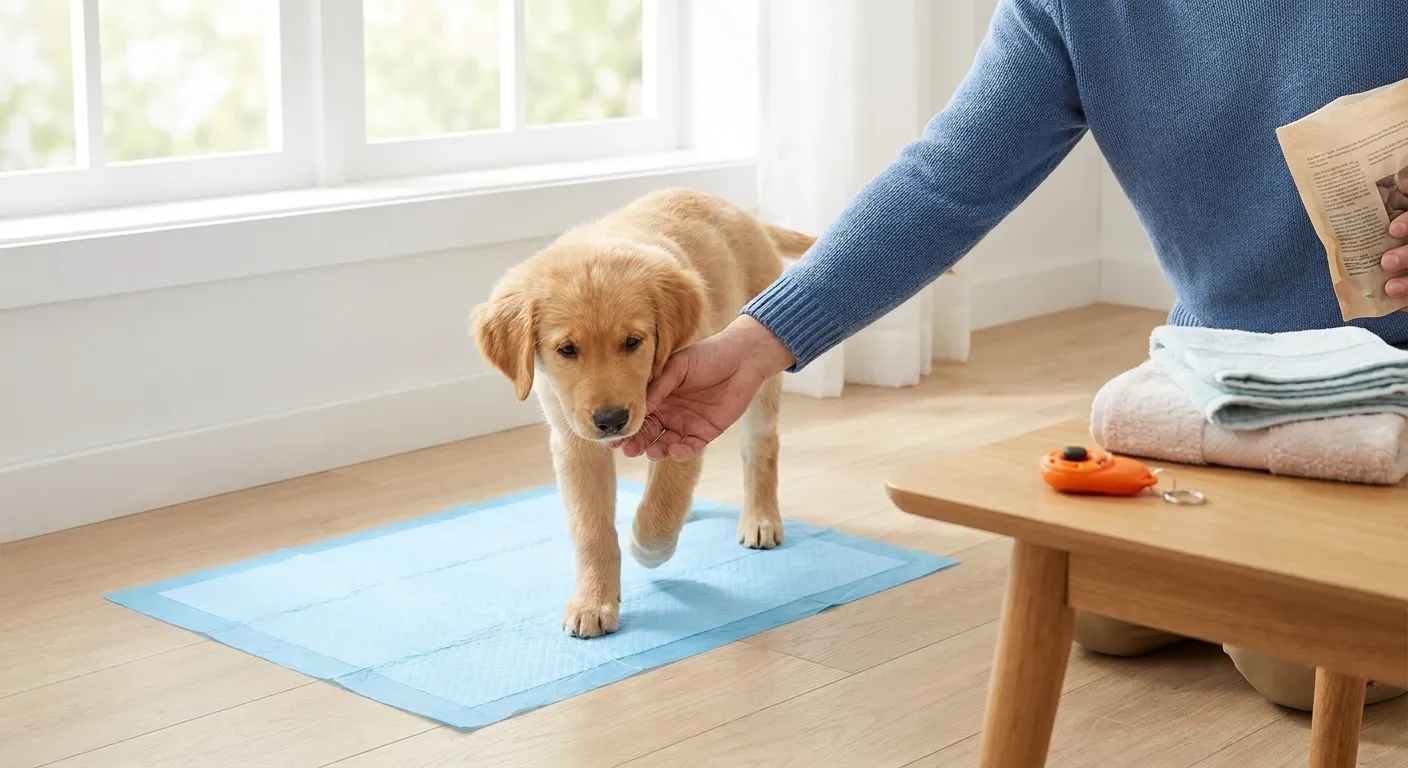
Puppy pads can be a tool, especially for very young puppies or those living in apartments without easy outdoor access. However, they can also prolong the house-training process by teaching your puppy that it’s okay to relieve themselves indoors. If you use them, aim to transition off them as quickly as possible to outdoor potty breaks.
What are the most important things for successful house-training?
The most important factors for successful house-training are consistency with a schedule, constant supervision, positive reinforcement with high-value treats and praise, proper crate training (if used), and thorough cleaning of accidents. Patience and understanding that accidents will happen are also crucial.