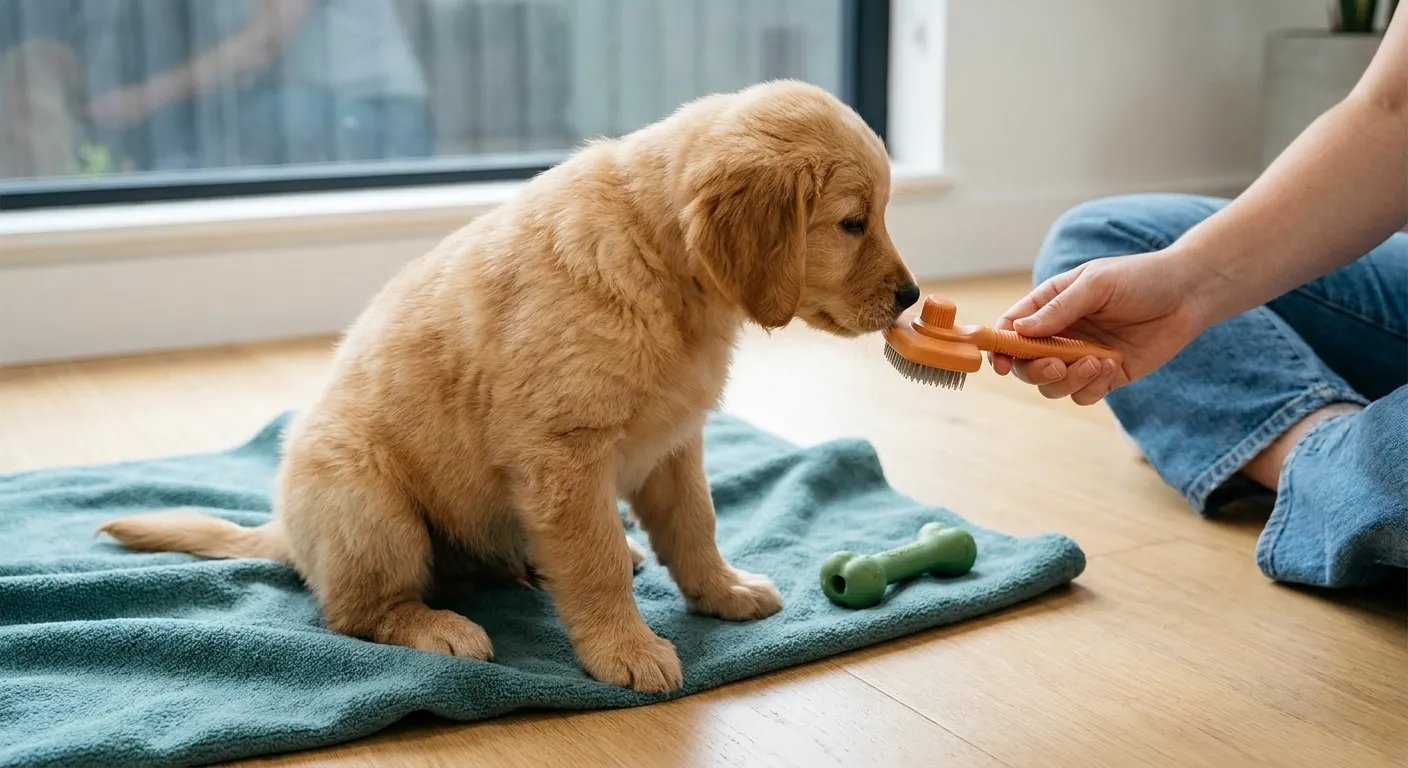
As a new dog mom to Max, you’re likely hearing a lot about puppy socialization. The idea of exposing your little one to the big wide world is exciting, but also, let’s be honest, a bit daunting. How do you ensure safe puppy exposure without overwhelming him or, worse, putting his health at risk before he’s fully vaccinated? You want to build his confidence, not inadvertently create fear or anxiety. We understand this challenge perfectly.
At Doggy Stuff Shop, we’re here to guide you through these crucial early weeks with practical, vetted advice. The pet industry is seeing a notable rise in awareness for emotional wellness, and for puppies, this starts with how they experience the world. It’s not just about what they see, but how they see it. This foundational period sets the stage for a well-adjusted adult dog.
Beyond Just “Puppy Playdates”: The Shift to Neutrality
For years, socialization often meant throwing puppies into a room to “romp around” with other dogs. While some play can be beneficial, the trend highlights a significant shift: a redefinition of puppy socialization towards “neutrality and focus.” This isn’t about constant interaction; it’s about teaching your puppy to remain calm and focused on you amidst distractions. The goal is for Max to see the world as interesting but to view you as his most important, safest element.
This approach helps prevent overstimulation, teaches self-control, and builds a stronger bond between you and Max. It’s about creating safe puppy exposure that fosters resilience and a calm demeanor, rather than just boisterous energy. Furthermore, it prepares them for a variety of real-world situations without undue stress.
What “Safe Puppy Exposure” Really Means
Safe exposure means carefully managing new experiences so they are overwhelmingly positive and within your puppy’s comfort zone. It’s a delicate balance of newness and security. Here’s how to approach it:
1. Controlled Environments, Not Free-for-Alls
Instead of letting Max walk on public ground before full vaccinations, carry him in a comfortable sling or stroller. Take him to places where he can observe people, traffic, and sounds from a safe distance – a park bench, a busy sidewalk café (where he stays in his carrier), or even just watching from your car. The key is observation without direct interaction with unknown elements. For example, a quick trip to the pet store can be an opportunity for observing new sights and smells from your arms.
Additionally, arrange visits to friends’ homes that are clean and puppy-proofed. This allows Max to experience new smells, sounds, and layouts in a controlled setting. If they have a calm, fully vaccinated dog, supervised, brief introductions can be beneficial. Always ensure these interactions are positive and short.
2. Positive Introductions to People and Sounds
Invite a variety of people (different ages, genders, appearances – e.g., someone wearing a hat, someone with a beard) to your home. Have them offer Max a high-value treat gently and calmly. Avoid letting people overwhelm him. Similarly, introduce Max to common household and outdoor sounds gradually. You can use sound desensitization tracks online, playing them softly at first and slowly increasing the volume. This helps Max associate new sounds with positive experiences.
Consider exposing your puppy to different textures under his paws, like carpet, tile, grass, and even soft gravel. This broadens his sensory understanding of the world. Moreover, remember that these early experiences are vital for forming positive associations. This careful introduction is a cornerstone of effective puppy socialization.
3. Prioritizing Health and Safety
Before any outings, consult your veterinarian about your puppy’s vaccination schedule and what activities are safe. Generally, direct contact with unvaccinated dogs or high-traffic public areas should be avoided until your vet gives the all-clear. However, indirect exposure from a safe distance, as mentioned, is usually fine.
Always carry a small mat or blanket for your puppy to sit on, especially if you set him down in a friend’s yard. This creates a familiar, clean space for him. Furthermore, keep interactions brief. A puppy’s attention span is short, and overstimulation can quickly turn a positive experience negative. Therefore, short, sweet, and positive encounters are best for building confidence without fear.
The Critical Window for Puppy Socialization
Puppies have a critical socialization window, typically between 3 and 16 weeks of age. During this time, they are most open to new experiences and form lasting impressions. Neglecting this period can lead to fear, anxiety, and behavioral issues later in life. Therefore, providing consistent, safe puppy exposure during these weeks is paramount.
This doesn’t mean you need to rush or expose your puppy to everything at once. Rather, it means being intentional and thoughtful about the experiences you provide. Even small, daily positive interactions add up significantly. For instance, a quick trip to the mailbox can be a learning opportunity.
Building a Foundation of Trust and Confidence
Your puppy looks to you for guidance and safety. Every new experience should be framed as an adventure you embark on together. Here are some ways to strengthen that bond:
- Positive Reinforcement: Always reward calm, curious behavior with treats, praise, and gentle petting. This reinforces that new experiences are good and safe.
- Observe Body Language: Pay close attention to Max’s cues. Is he relaxed or showing signs of stress (tucked tail, yawning, lip licking, cowering)? If he seems overwhelmed, remove him from the situation immediately.
- Start Small: Begin with mild exposures and gradually increase the intensity and novelty as your puppy gains confidence. Never force him into a situation he fears.
- Maintain Routine: While introducing new things, keep his daily routine (feeding, potty breaks, playtime) consistent. This predictability provides a sense of security.
Remember, the goal is to create a resilient, well-adjusted dog. This process takes patience and understanding. By carefully managing his early experiences, you are setting him up for a lifetime of confidence and happiness. For more guidance on training, consider our article on Teaching Your Dog Basic Commands: Sit, Sit, Stay, and Come.
Socialization Beyond Other Dogs: A Holistic View
True puppy socialization extends far beyond just interacting with other canines. It encompasses a wide array of sensory inputs and environmental encounters. Consequently, a holistic approach ensures a well-rounded and adaptable dog. For example, exposing your puppy to different types of surfaces, from grass to gravel, helps them feel comfortable in various settings. This broadens their understanding of the world.
Sounds and Sights of the World
Introduce your puppy to various sounds like doorbells, vacuums, traffic, children playing, and even thunder (at a low volume initially). You can find many sound desensitization tracks online to help with this. Similarly, expose them to different sights such as people with hats, umbrellas, bicycles, and strollers. The key is to make these exposures positive and non-threatening. Therefore, always pair new sights and sounds with treats or praise.
Novel Objects and Environments
Allow your puppy to safely explore new objects in your home, like opened boxes, crinkly paper, or different types of toys. This encourages curiosity and problem-solving skills. Taking your puppy to different safe locations, such as a friend’s backyard or a quiet, clean park (carried, of course, if not fully vaccinated), also broadens their environmental understanding. This varied exposure is crucial for developing a confident temperament.
The Role of Training in Early Socialization
Early training goes hand-in-hand with effective socialization. Teaching your puppy basic commands not only provides mental stimulation but also establishes clear communication and builds your bond. A puppy who understands and responds to commands like “sit,” “stay,” and “come” feels more secure and is easier to manage in new environments. This further contributes to safe puppy exposure.
Consider enrolling in a positive reinforcement puppy class once your vet approves. These classes offer a controlled environment for puppies to interact and learn basic manners, all under the guidance of experienced trainers. Furthermore, they provide invaluable opportunities for learning how to socialize your puppy safely and effectively. For more insights on this, read our comprehensive guide on How to Socialize Your Puppy Safely and Effectively.
Remember, consistency is key. Short, frequent training sessions are more effective than long, infrequent ones. This consistent effort reinforces positive behaviors and builds confidence in your puppy’s abilities.
Avoiding Common Socialization Mistakes
While the intention is always good, some common mistakes can hinder effective and safe puppy exposure. Being aware of these can help you navigate the process more smoothly:
- Overwhelm: Too much, too soon can be detrimental. A puppy that is constantly bombarded with new experiences without adequate rest or processing time can become anxious or shut down.
- Negative Experiences: A single traumatic event can have a lasting impact. Always ensure interactions are positive and that your puppy feels safe. Avoid situations where your puppy might be bullied by other dogs or scared by loud noises.
- Lack of Variety: Only exposing your puppy to one type of dog or person can lead to fear or aggression towards others. Strive for diverse, controlled introductions.
- Ignoring Body Language: Failing to recognize signs of stress or fear can escalate a situation. Learn to read your puppy’s signals and act accordingly.
By avoiding these pitfalls, you can ensure that Max’s early experiences are overwhelmingly positive, fostering a well-adjusted and confident companion. The goal is always to build confidence, not fear.
What to Look for in Puppy Products for Exposure
When preparing for your puppy’s early adventures, having the right gear can make all the difference. Practical and durable products enhance safety and comfort during socialization efforts. For instance, a secure, comfortable Understanding Dog Leashes and Collars: Making the Right Choice is essential for car rides or carrying your puppy. Look for slings or carriers that are easy to clean and provide good ventilation.
High-value treats are indispensable for positive reinforcement during new introductions. Choose small, soft treats that your puppy loves and can consume quickly without distraction. Additionally, having a portable water bowl and a favorite toy can provide comfort and familiarity in new environments. These small details contribute significantly to a successful and safe puppy exposure experience.
Consider also investing in Safe Durable Dog Toys: A New Dog Parent’s Guide to Smart Playtime Choices to keep your puppy engaged and happy, especially during observation outings where direct interaction is limited. A comfortable, familiar item from home can also provide a sense of security in new places.
Conclusion: Your Confident Companion Awaits
Navigating the world of puppy socialization can feel like a big responsibility, but with a thoughtful and intentional approach to safe puppy exposure, you can set your Max up for a lifetime of confidence and joy. Remember, it’s about quality over quantity, positive reinforcement, and always prioritizing your puppy’s comfort and safety.
At Doggy Stuff Shop, we believe in empowering dog owners with the knowledge and products to raise happy, well-adjusted companions. By focusing on controlled, positive experiences during these formative weeks, you’re not just socializing a puppy; you’re building a resilient, confident family member who trusts you to guide them through the world. So, embrace these early adventures, watch Max grow, and enjoy the wonderful journey ahead with your confident, well-socialized pup.
Frequently Asked Questions About Puppy Socialization
What is the ideal age to start introducing my puppy to new experiences?
The critical socialization window for puppies is generally between 3 and 16 weeks of age. During this period, puppies are most receptive to new sights, sounds, people, and environments. Starting early with controlled and positive introductions is crucial for their development.
How can I introduce my puppy to new sounds without scaring them?
Begin by playing various sounds (e.g., traffic, children, vacuum cleaner) at a very low volume. Pair these sounds with positive experiences like treats or playtime. Gradually increase the volume as your puppy shows comfort. If your puppy seems stressed, reduce the volume or stop the exposure.
Should my puppy interact with other dogs before being fully vaccinated?
It’s generally recommended to avoid direct contact with unknown or unvaccinated dogs in public areas until your puppy has completed their full vaccination series, typically around 16 weeks. However, supervised interactions with known, healthy, fully vaccinated adult dogs in a clean, private setting can be beneficial.
What are some signs that my puppy is overwhelmed during an exposure?
Look for signs such as a tucked tail, flattened ears, yawning, lip licking, excessive panting, cowering, trying to hide, or pulling away. If you observe these behaviors, it’s important to remove your puppy from the situation and provide a calm, safe space.
How can I ensure my puppy’s early interactions with people are positive?
Invite a variety of calm, dog-friendly people to your home. Have them offer treats gently and avoid overwhelming your puppy with too much attention at once. Ensure all interactions are positive and allow your puppy to approach on their own terms. This fosters trust and positive associations with humans.