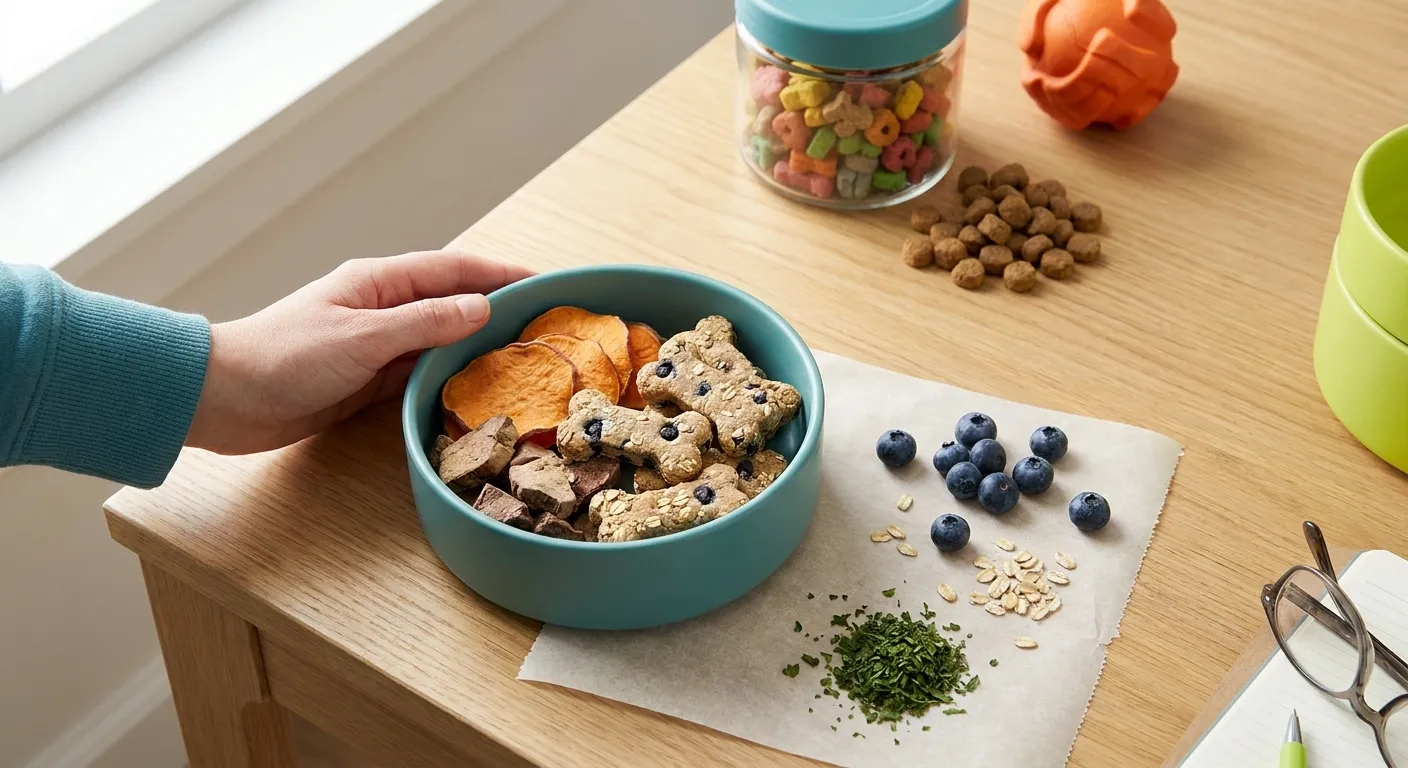
Treats are a wonderful way to reward your dog, aid in training, and show affection. However, just like human snacks, not all treats are created equal. Choosing healthy dog treats is essential to ensure they contribute positively to your dog’s diet without adding unnecessary calories or harmful ingredients. This guide will help you navigate the treat aisle with confidence, prioritizing your dog’s health and well-being. We’ll explore how to make informed decisions for your beloved companion.
Understanding Your Dog’s Dietary Needs
Before diving into specific treat recommendations, it’s important to consider your dog’s individual dietary needs. For example, a young, active puppy will have different requirements than a senior dog with joint issues. Likewise, dogs with allergies or sensitivities need special consideration. Always consult your veterinarian if you have concerns about your dog’s diet or specific health conditions. This proactive approach ensures you select appropriate snacks that complement their overall health plan.
Moreover, remember that treats should only make up a small portion of your dog’s daily caloric intake, typically no more than 10%. Overfeeding, even with nutritious options, can lead to weight gain and other health problems. Therefore, moderation is key when incorporating any kind of dog snack into their routine. Be mindful of portion sizes to maintain a balanced diet.
What to Look For in Healthy Dog Treats
When selecting beneficial dog snacks, scrutinize the ingredient list much like you would for their regular food. The best options feature whole, recognizable ingredients. For instance, look for a real meat source (like chicken, beef, or fish) as the first ingredient. This indicates a high-quality protein source, which is crucial for muscle development and overall health.
Fruits and vegetables such as pumpkin, sweet potato, carrots, and apples are excellent additions, providing essential vitamins and fiber. Fiber aids in digestion and can help your dog feel full. Furthermore, these natural ingredients offer a wealth of antioxidants. Opt for treats with minimal artificial preservatives, colors, or flavors. Natural preservatives like mixed tocopherols (Vitamin E) or rosemary extract are preferable. These are safer alternatives that help maintain freshness without introducing unnecessary chemicals.
For training purposes, choose small, low-calorie treats that can be given frequently without overfeeding. This allows for repeated positive reinforcement during training sessions, which is very effective. You can even break larger treats into smaller pieces. Dental chews can also be a beneficial choice, as they often contain ingredients designed to help reduce plaque and tartar buildup. Always ensure dental treats are appropriately sized for your dog to prevent choking hazards.
Considering Specific Dietary Requirements
Some dogs have specific dietary needs that influence their treat choices. If your dog has a sensitive stomach, look for limited-ingredient treats. These often contain a single protein source and fewer potential irritants. Similarly, for dogs with allergies, hypoallergenic treats are available. These avoid common allergens like grain, dairy, or certain proteins. Reading labels carefully is paramount in these situations.
For older dogs, softer treats might be more appropriate, especially if they have dental issues. Treats fortified with joint-supporting ingredients like glucosamine and chondroitin can also be beneficial for senior pets. Young puppies, on the other hand, might benefit from treats designed for their developing digestive systems. Always consider your dog’s life stage when making selections.
Ingredients to Avoid in Dog Treats
Just as important as knowing what to look for is understanding what to avoid. Steer clear of treats containing excessive sugar, corn syrup, or artificial sweeteners. Notably, xylitol is highly toxic to dogs and can cause a rapid drop in blood sugar, liver failure, and even death. Always check labels for this dangerous ingredient. According to the FDA, even small amounts of xylitol can be dangerous.
By-products, while not always harmful, can be vague and may indicate lower quality ingredients. They can include rendered parts of animals not typically consumed by humans. Avoid treats with a long list of unidentifiable chemicals or artificial dyes, which offer no nutritional value and can sometimes cause allergies or sensitivities. These additives are often just for human appeal and provide no benefit to your dog.
Also, be mindful of filler ingredients like corn, wheat, and soy if your dog has sensitivities or allergies to these. While not inherently bad for all dogs, they can trigger adverse reactions in some. Always check the caloric content, especially if your dog is prone to weight gain, and adjust their main meal portions accordingly to prevent overfeeding. This is a crucial step in maintaining a healthy weight for your pet. For more insights on keeping your dog active, consider exploring our range of interactive toys.
Recognizing Hidden Dangers
Beyond specific ingredients, some types of treats pose other risks. Rawhide, for instance, can be a choking hazard and may cause digestive blockages. Similarly, cooked bones can splinter and cause internal damage. It is always safer to opt for veterinarian-approved chew alternatives. Understanding these hidden dangers is part of choosing safe and healthy dog treats.
Furthermore, be wary of treats imported from countries with less stringent food safety regulations. Always choose products from reputable manufacturers. Look for certifications or indications of quality control on the packaging. Your dog’s safety is paramount, so a little extra caution goes a long way. When considering their overall safety, remember that ID tags & GPS trackers are also essential for peace of mind.
Making Informed Choices for Healthy Dog Treats
Becoming an expert at choosing beneficial dog snacks means being a diligent label reader. Don’t be swayed by clever marketing or attractive packaging. Instead, focus on the nutritional information and ingredient list. A good rule of thumb is: if you can’t pronounce it, or don’t know what it is, it’s probably best to avoid it.
Many brands now offer organic, grain-free, or limited-ingredient options, catering to a wide range of dietary needs. Don’t hesitate to explore these specialized options if they align with your dog’s health profile. Moreover, consider making your own homemade dog treats. This gives you complete control over the ingredients, ensuring they are fresh and wholesome. There are many simple recipes available online using ingredients like peanut butter (xylitol-free!), pumpkin, and oats.
When introducing a new treat, always do so gradually. Monitor your dog for any signs of digestive upset or allergic reactions. This helps identify any sensitivities before they become a bigger problem. Small changes can make a big difference in their overall well-being. Selecting healthy dog treats is an ongoing commitment.
The Role of Treats in Training and Behavior
Treats are incredibly effective tools for positive reinforcement during training. When used correctly, they can motivate your dog to learn new commands and reinforce good behavior. However, it’s crucial to use them strategically. For example, small, soft treats are ideal for short training sessions, as they are quickly consumed and don’t distract from the task at hand. For more ideas on engaging your dog, check out our puzzle toys section.
Furthermore, treats can help with behavior modification, such as easing anxiety during car rides or vet visits. The key is to associate the treat with a positive experience. Remember, the goal is to use treats to shape behavior, not to constantly pacify your dog. Over-reliance on treats can lead to begging or weight issues. Therefore, balance treat rewards with praise and other forms of affection.
The Best Types of Healthy Dog Treats
When it comes to the variety of beneficial dog snacks, you have many excellent options. Single-ingredient treats, such as dried sweet potato slices or freeze-dried meat, are often among the best choices. They offer pure nutrition without any unnecessary additives. These are fantastic for dogs with sensitive stomachs or specific allergies.
Look for treats that are specifically labeled as