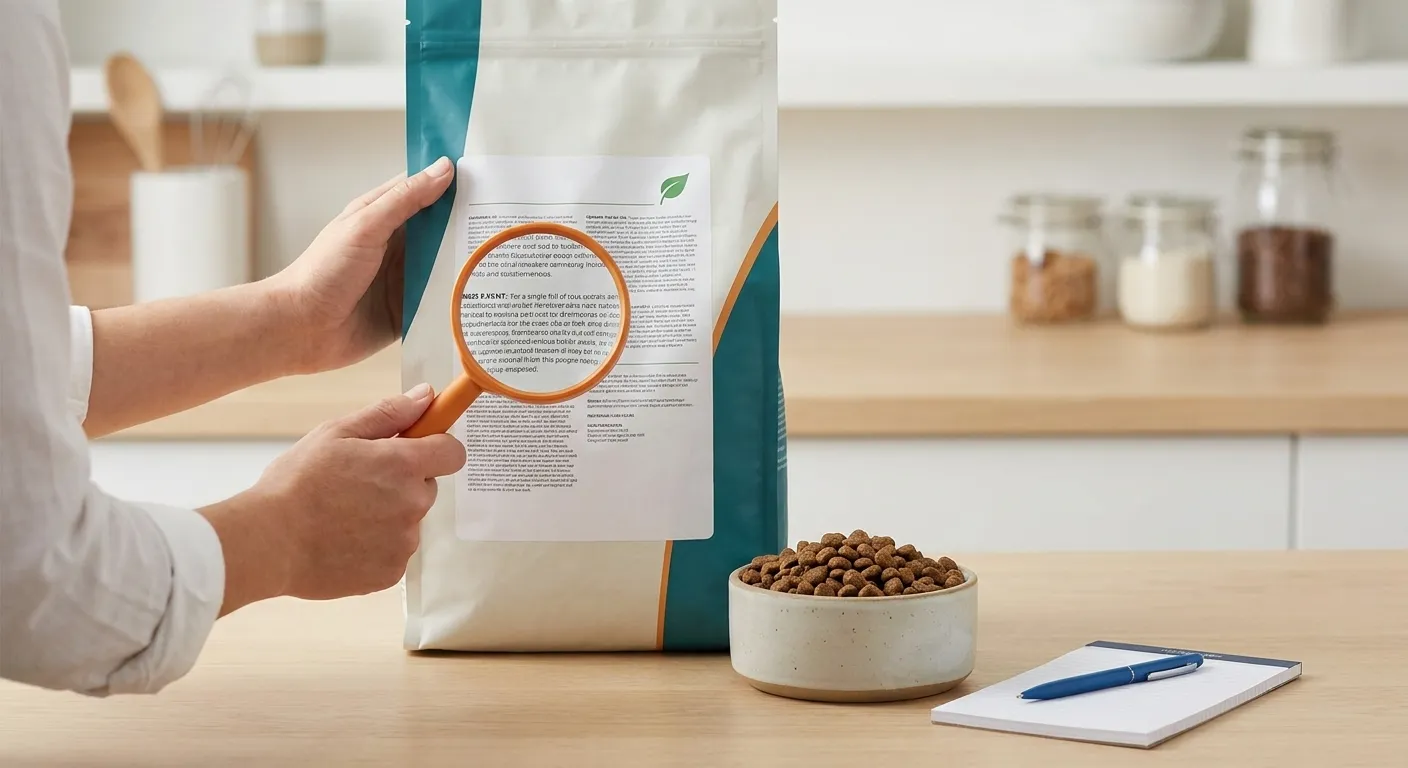
As a new dog owner, learning to decipher dog food labels is one of the most important steps you can take for your pup’s long-term health and your budget. With pet ownership on the rise, and dogs increasingly viewed as full family members, their well-being is paramount. For savvy pet parents like Sarah, who want to make the “right” choices without breaking the bank, understanding what’s truly in your dog’s bowl is key to value-driven spending on nutrition.
Why Learning to Decipher Dog Food Labels is Essential for Your Pup’s Health
Your dog’s diet directly impacts their energy levels, coat health, immune system, and overall longevity. Making informed food choices is a cornerstone of preventive care. By learning to read pet food ingredients, you can avoid unnecessary fillers, potential allergens, and artificial additives that offer no nutritional benefit. This knowledge empowers you to select foods that truly support your dog’s health, ensuring you get the best value for your investment in what many consider a “protected budget item.”
The Front of the Bag: What Marketing Terms Really Mean
The front of a dog food bag is often filled with appealing marketing terms. While some can be helpful, others are more about branding than nutrition. Terms like “Natural,” “Holistic,” or “Grain-Free” sound good, but always turn the bag over to the ingredient list for the real story. The most important statement on the front (or back) is the AAFCO (Association of American Feed Control Officials) statement. This indicates whether the food provides complete and balanced nutrition for a specific life stage (e.g., “for all life stages,” “for growth,” or “for maintenance”). If it doesn’t have an AAFCO statement, steer clear. Furthermore, understanding the AAFCO statement helps you choose food appropriate for your dog’s age and activity level.
Key Sections to Scrutinize: The Ingredients List
This is where you’ll find the most critical information. The ingredients are listed in descending order by weight, meaning the first few ingredients make up the largest portion of the food. Therefore, paying close attention to these initial items is crucial.
Order Matters: First 5 Ingredients
- Meat as the First Ingredient: Look for a named meat source (e.g., “chicken,” “beef,” “lamb”) as the first ingredient. Whole meats are good, but meat meals (e.g., “chicken meal”) can be excellent too, as they are concentrated sources of protein with most of the water removed before processing. Avoid vague terms like “meat by-products” or “animal digest” as the primary protein source, as their quality can be inconsistent.
- Named Fats: Healthy fats are crucial. Look for named animal fats (e.g., “chicken fat”) or plant-based fats like “flaxseed oil” or “salmon oil” (rich in omega-3s). These contribute to coat health and energy.
Carbohydrates, Fats, and Fibers
After the primary protein, you’ll see carbohydrate sources. Whole grains like brown rice, oats, and barley provide good energy and fiber. For grain-free diets, look for sweet potatoes, peas, or lentils. Ensure these are not excessively high on the list, especially if your dog has specific dietary needs. In addition, fiber content is important for digestive health.
Understanding Nutritional Guarantees
The Guaranteed Analysis section provides minimum and maximum percentages of key nutrients like crude protein, crude fat, crude fiber, and moisture. “Crude” refers to the testing method, not the quality. This section is essential for comparing nutrient levels between different brands. For example, a food with 30% crude protein might seem better than one with 25%, but you must also consider the moisture content. A dry kibble with 10% moisture and 25% protein actually has a higher protein content on a dry matter basis than a wet food with 75% moisture and 10% protein. You can calculate dry matter protein by subtracting the moisture percentage from 100, then dividing the protein percentage by that number and multiplying by 100. This calculation helps you truly compare the nutritional value. Furthermore, a higher fat content might be suitable for an active dog, while an older or less active dog might benefit from lower fat. Learn more about making informed choices for your dog by exploring Decoding Dog Food Labels: What Every Owner Needs to Know.
Decoding Additives and Preservatives
Many dog foods include vitamins, minerals, and preservatives. Natural preservatives like mixed tocopherols (Vitamin E) and ascorbic acid (Vitamin C) are generally preferred over artificial ones like BHA, BHT, and ethoxyquin, which can be controversial. Always check for a comprehensive list of vitamins and minerals, ensuring your dog receives a balanced diet. Moreover, some dogs may have sensitivities to certain artificial ingredients, making natural alternatives a safer bet.
The Role of AAFCO in Dog Food Standards
AAFCO plays a vital role in setting standards for animal feed. Their statements on dog food labels confirm that the product is nutritionally adequate. A product labeled “complete and balanced” means it meets AAFCO’s nutrient profiles for a specific life stage. This is a crucial indicator of a food’s quality and suitability. For puppies, look for labels stating “for growth” or “for all life stages.” For adult dogs, “for maintenance” is appropriate. You can find more detailed information on AAFCO’s role on their official website: AAFCO Official Website. Understanding these standards helps you confidently select appropriate dog food.
Special Dietary Needs: Grain-Free, Limited Ingredient, and More
Some dogs have specific dietary requirements, such as allergies or sensitivities. Grain-free diets have become popular, but they are not necessary for all dogs. In fact, some research suggests a potential link between certain grain-free diets and heart issues in dogs. Always consult your veterinarian before making significant dietary changes. Limited ingredient diets (LIDs) can be beneficial for dogs with food sensitivities, as they contain fewer ingredients, making it easier to identify potential allergens. Similarly, if your dog has unique health concerns, like kidney disease or diabetes, your vet might recommend specific therapeutic diets. When considering treats, remember that they also contribute to your dog’s overall diet; check out Choosing Healthy Dog Treats: What to Look For and Avoid for guidance. Ultimately, personalized advice from your vet is always best.
Tips for Smart Dog Food Shopping
When you go to the store, have a plan. First, identify your dog’s life stage and any special needs. Second, compare the first five ingredients of different brands. Third, check the AAFCO statement to ensure it’s appropriate. Fourth, calculate the dry matter protein and fat percentages for a true comparison. Finally, don’t be swayed by clever marketing alone. Instead, focus on the facts presented on the label. This approach helps you confidently choose the best food for your furry friend. Many brands offer sample sizes, which can be a good way to test if your dog likes a new food before committing to a large bag.
Understanding the “Best By” Date
The “Best By” or “Expiration” date on a dog food bag indicates how long the food is expected to retain its optimal nutritional value and freshness. Always check this date before purchasing and ensure you use the food before it expires. Storing dog food properly, in an airtight container in a cool, dry place, also helps maintain its quality. Improper storage can lead to nutrient degradation and spoilage. Furthermore, using a proper Dog Food Bowl can also contribute to a healthy eating experience.
When to Consult Your Veterinarian
While learning to understand dog food labels is empowering, it’s not a substitute for professional veterinary advice. If your dog exhibits any signs of allergies, digestive issues, or changes in energy levels, consult your vet immediately. They can help diagnose underlying issues and recommend specific dietary changes or therapeutic foods. Your vet can also provide personalized recommendations based on your dog’s breed, age, activity level, and health status. Regular vet check-ups are vital for this reason; consider reading about Why Regular Vet Check-ups Matter for Your Dog’s Lifelong Health. Trust your vet to be your partner in your dog’s nutritional journey.
Beyond the Label: Researching Dog Food Brands
Even after you learn to decipher dog food labels, a bit of extra research can go a long way. Look into the company’s reputation, their manufacturing processes, and where they source their ingredients. Reputable brands are often transparent about their practices and may have scientific studies to back their claims. Websites like DogFoodAdvisor.com offer independent reviews and ratings, though always cross-reference information. Checking for recalls is also a good practice, as it can indicate quality control issues. This diligence ensures you’re choosing a brand that prioritizes your dog’s health as much as you do. Furthermore, understanding the company’s philosophy can give you peace of mind.
The Long-Term Benefits of Smart Food Choices
Making informed decisions about your dog’s food has lasting benefits. A well-nourished dog is generally healthier, more energetic, and less prone to certain illnesses. This can lead to fewer vet visits and a happier life for both you and your pet. Think of it as an investment in their overall well-being. By taking the time to truly decipher dog food labels, you are setting your dog up for a lifetime of good health. It’s a proactive step that demonstrates your commitment as a responsible pet parent. Moreover, consistent, high-quality nutrition can extend your dog’s lifespan.
Conclusion: Empowering Your Pet’s Health Through Knowledge
Learning to decipher dog food labels might seem daunting at first, but it’s a skill that empowers you to make the best possible nutritional choices for your beloved companion. By understanding the AAFCO statement, scrutinizing ingredient lists, and interpreting nutritional guarantees, you become an informed advocate for your dog’s health. Remember, a healthy diet is a cornerstone of a happy life for your dog. With this knowledge, you can confidently select foods that provide optimal nutrition, value, and peace of mind. Your commitment to understanding what’s in their bowl directly translates to their vitality and longevity. So, take the time to truly read those labels – your dog will thank you for it!
FAQ
What does “complete and balanced” mean on pet food?
This term, when coupled with an AAFCO statement, means the food provides all the necessary nutrients for a dog’s specific life stage, such as growth, maintenance, or all life stages. It signifies that the food meets established nutritional standards.
Are grain-free dog foods always better?
Not necessarily. While some dogs benefit from grain-free diets due to sensitivities, most dogs thrive on diets that include grains. Always consult your veterinarian before switching to a grain-free option, as recent studies have raised concerns about potential health implications for some dogs.
How important is the order of ingredients on a dog food list?
The order is very important. Ingredients are listed by weight, so the first few ingredients make up the largest portion of the food. Therefore, you want to see high-quality protein sources like named meats or meat meals at the top of the list.
How can I compare the protein content of dry and wet dog food?
To accurately compare protein, you need to calculate the dry matter protein content. Subtract the moisture percentage from 100, then divide the crude protein percentage by that number and multiply by 100. This gives you the protein content once all water is removed.
Should I be concerned about by-products in dog food?
Not all by-products are bad. Named by-products (e.g., “chicken by-product meal”) can be nutritious. However, generic terms like “meat by-products” can be vague and of inconsistent quality. Look for named meat sources or named meat meals as primary ingredients for better quality assurance.
What should I look for regarding preservatives in dog food?
Prefer natural preservatives like mixed tocopherols (Vitamin E) and ascorbic acid (Vitamin C). Avoid artificial preservatives such as BHA, BHT, and ethoxyquin, which some pet owners and veterinarians prefer to steer clear of due to potential health concerns.