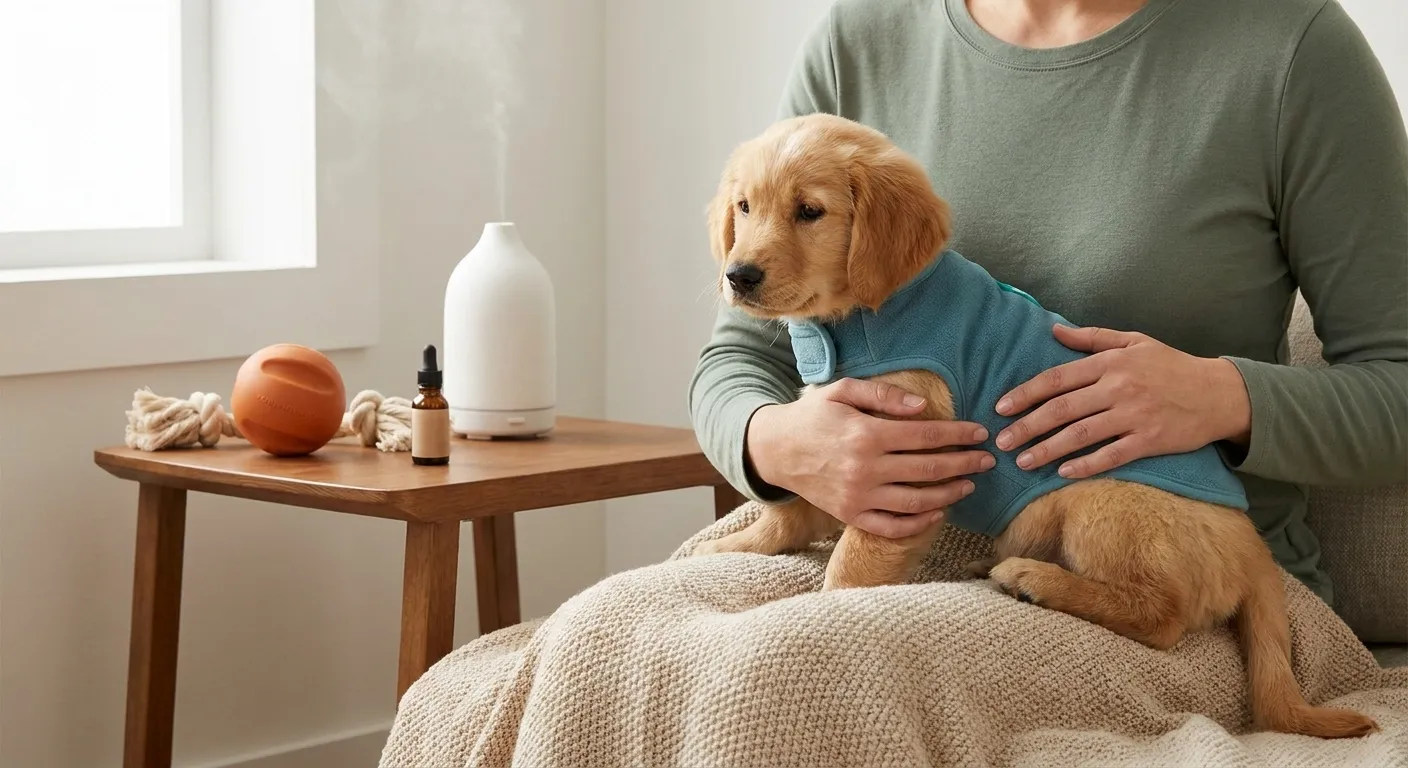
As a new dog mom, Sarah, you might find yourself navigating the adorable chaos of puppyhood. While joy abounds, it’s also common to encounter challenges like puppy anxiety. Understanding and managing puppy anxiety is a crucial part of raising a well-adjusted dog, and it’s something many pet parents face. The good news is, with the right approach and a few practical tools, you can create a calm environment for your furry friend, fostering their emotional well-being from the start.
Understanding and Managing Puppy Anxiety
Puppies, much like human babies, can experience anxiety as they adapt to new environments and experiences. This is especially true given the focus on preventative care and emotional wellness in the pet industry, with growing demand for anxiety-reducing products and calming routines. But what does puppy anxiety look like?
Common Signs of Puppy Anxiety:
- Excessive Whining or Barking: Especially when left alone or when a family member leaves the room, this can indicate distress.
- Destructive Chewing: Beyond normal puppy chewing, this can be a way to cope with stress or boredom.
- House-Soiling Accidents: Despite being house-trained, anxiety can unfortunately lead to unexpected accidents.
- Hiding or Trembling: When faced with new people, sounds, or environments, some puppies may seek refuge or show physical signs of fear.
- Pacing or Restlessness: Unable to settle down, even after exercise, can be a sign of underlying unease.
Common triggers for puppy anxiety include separation from their owners, new or unfamiliar environments, loud or sudden noises, and even overstimulation. Recognizing these signs early allows you to intervene with supportive strategies. Understanding these indicators is the first step in successfully addressing your puppy’s emotional needs.
Creating a Calm Routine: Your Blueprint for Emotional Wellness
One of the most effective ways to combat puppy anxiety is to establish predictable, calming routines. This provides a sense of security and helps your puppy understand what to expect, reducing uncertainty that often fuels anxiety. Consistency is truly key for a happy, well-adjusted pup.
The Power of Predictable Schedules
- Consistent Feeding Times: Regular meal times help regulate your puppy’s internal clock. Consequently, this predictability can reduce stress around food.
- Scheduled Potty Breaks: Frequent, scheduled trips outside prevent accidents and build confidence in their potty training. For more help, check out our guide on Puppy Potty Training Made Easy.
- Designated Play and Rest Times: Balance energetic play with quiet rest periods. Puppies need a lot of sleep for healthy development, and overtired puppies can become anxious or nippy. Therefore, ensure they have plenty of opportunities for naps.
The Importance of a Safe “Den”
Your puppy’s crate isn’t just for training; it’s their personal sanctuary. A comfortable crate, equipped with soft bedding, offers a safe retreat where they can feel secure and relax away from household commotion. This “den” is crucial for emotional support and provides a space for calming routines. Furthermore, introducing the crate positively can make it a comforting haven.
Gentle Handling and Calming Techniques
- Soft Petting and Massage: Gentle, slow strokes can be incredibly soothing for a puppy. Focus on areas they enjoy, like behind the ears or along their back. This helps strengthen your bond too.
- Quiet Time with Calming Music: Some puppies respond well to classical music or specially designed pet calming playlists. These can help mask startling household noises.
- Scent Comfort: Introducing a blanket or toy with your scent can provide comfort, especially when you’re away. Similarly, pheromone diffusers can also help create a sense of calm.
By implementing these routines, you are actively working towards managing puppy anxiety. This proactive approach helps build a foundation of trust and security for your growing companion. Remember, patience and consistency are your best friends in this process.
Essential Products for Managing Puppy Anxiety
Beyond routines, certain products can be incredibly helpful in soothing an anxious puppy. These tools complement your efforts, providing additional layers of comfort and security. Selecting the right products can make a big difference.
Comforting Beds and Crates
A high-quality, comfortable dog bed is essential for a puppy’s relaxation. Look for beds with supportive edges that allow your puppy to burrow or rest their head. For instance, orthopedic beds can be particularly beneficial for growing joints. When it comes to crates, ensure it’s the right size – large enough to stand, turn around, and lie down comfortably, but not so large that they can use one end as a potty area. You can find excellent options in our guide to Finding the Best Dog Beds for Comfort and Durability. Moreover, a cozy crate cover can create a den-like atmosphere, further reducing visual stimulation.
Calming Chews and Toys
Chewing is a natural, stress-relieving behavior for puppies. Providing appropriate, durable chew toys can redirect destructive chewing and offer a healthy outlet for anxiety. Look for toys made from safe, non-toxic materials. Puzzle toys that dispense treats can also keep your puppy mentally engaged and distracted from anxious thoughts. For instance, a Kong stuffed with a treat can keep them occupied for a good while. Additionally, consider toys that release calming scents like lavender or chamomile. Explore our selection of Safe Durable Dog Toys to ensure smart playtime choices.
Pheromone Products
DAP (Dog Appeasing Pheromone) products, such as diffusers or collars, mimic the natural pheromones a mother dog releases to comfort her puppies. These can be very effective in creating a calming environment and are often recommended by veterinarians for helping with puppy separation anxiety. As a result, many new owners find these helpful for easing their puppy’s transition. They offer a subtle, non-medicated way to reduce stress.
Anxiety Wraps and Vests
Products like Thundershirts apply gentle, constant pressure, similar to swaddling an infant. This pressure can have a remarkably calming effect on some puppies, especially during stressful events like thunderstorms, fireworks, or car rides. They are a drug-free option for reducing anxiety and can be particularly useful during initial training phases. However, always introduce them positively and gradually.
White Noise Machines or Calming Music
Just as soothing music or white noise can help humans relax, these can also benefit anxious puppies. A white noise machine can block out sudden, startling sounds, while specially curated calming music for dogs can provide a gentle auditory backdrop. In fact, many online platforms offer free calming music for pets. This simple addition can significantly contribute to a peaceful home environment.
Training and Socialization: Building Confidence
Beyond products and routines, foundational training and careful socialization are vital for preventing and managing puppy anxiety. A well-trained and well-socialized puppy is generally a more confident and less anxious puppy. This comprehensive approach addresses the root causes of unease.
Positive Reinforcement Training
Using positive reinforcement techniques builds trust between you and your puppy. Reward-based training makes learning enjoyable and reduces stress. Focus on teaching basic commands such as “sit,” “stay,” and “come.” Not only do these commands provide structure, but they also give your puppy a sense of purpose and understanding. For more detailed guidance, refer to our article on Teaching Your Dog Basic Commands. Similarly, consistent training sessions, even short ones, can significantly boost your puppy’s confidence.
Gradual and Positive Socialization
Exposing your puppy to a variety of sights, sounds, people, and other friendly, vaccinated dogs in a controlled, positive way is crucial. This helps them learn that new experiences are not something to fear. However, avoid overwhelming your puppy. Short, positive encounters are far more beneficial than forced or negative ones. For best practices, consult our guide on How to Socialize Your Puppy Safely and Effectively. This process is instrumental in preventing fear-based anxiety.
Addressing Separation Anxiety
Separation anxiety is a common concern for new puppy owners. To help your puppy cope with being alone, start with very short absences and gradually increase the time you are away. Leave them with a safe chew toy or puzzle feeder to distract them. Avoid making departures and arrivals a big emotional event. Instead, keep them calm and low-key. For additional insights, the American Society for the Prevention of Cruelty to Animals (ASPCA) offers excellent resources on managing separation anxiety in dogs. Furthermore, ensure they have had a potty break and some exercise before you leave.
When to Seek Professional Help
While many cases of puppy anxiety can be managed with consistent routines and supportive products, some puppies may require professional intervention. If your puppy’s anxiety seems severe, persistent, or is impacting their quality of life despite your best efforts, it’s time to consult with a professional.
Veterinarian Consultation
Your veterinarian is your first point of contact. They can rule out any underlying medical conditions that might be contributing to your puppy’s anxiety. In some cases, they might suggest specific medications or supplements to help manage severe anxiety, especially when it’s impacting their health or safety. For instance, a vet can assess their overall health. You can learn more about general dog health and preparedness by reviewing our guide on a First Aid Kit for Dogs.
Certified Dog Trainer or Behaviorist
For behavioral issues, a certified professional dog trainer or a veterinary behaviorist can provide tailored strategies. They can observe your puppy’s behavior, identify specific triggers, and develop a personalized training plan. These experts use positive, humane methods to help your puppy learn coping mechanisms and build confidence. You can find reputable professionals through organizations like the Certification Council for Professional Dog Trainers (CCPDT) at ccpdt.org. They are invaluable resources for managing puppy anxiety effectively.
Conclusion: A Calmer Future for Your Puppy
Managing puppy anxiety is an ongoing journey that requires patience, understanding, and consistent effort. By establishing predictable routines, utilizing comforting products, and focusing on positive training and socialization, you can significantly reduce your puppy’s stress and help them grow into a confident, well-adjusted adult dog. Remember, every puppy is unique, so what works for one might need adjustment for another. Stay observant, be patient, and celebrate every small victory. Your dedication to creating a secure and loving environment will lay the groundwork for a happy, healthy life together. Ultimately, a calm puppy means a happy home.
FAQ
How can I tell if my puppy is experiencing stress or just being playful?
While puppies are naturally playful, signs of stress include excessive licking of lips, yawning when not tired, tail tucked between legs, ears flattened, avoiding eye contact, or trembling. Playful behavior usually involves loose, bouncy movements, a relaxed open mouth, and a wagging tail. Observing these differences helps in understanding your puppy’s emotional state.
What are some quick ways to calm a puppy during a stressful event?
During a stressful event, try to create a safe, quiet space for your puppy. Offer a high-value chew toy or a puzzle feeder to distract them. Gentle petting and soft, reassuring words can also help. Sometimes, simply moving to a quieter room can make a big difference. Avoid forcing interaction if they want to retreat.
Can diet impact a puppy’s emotional well-being?
Absolutely. A balanced, nutritious diet is crucial for overall health, including emotional well-being. Poor nutrition can lead to energy imbalances or deficiencies that might exacerbate anxiety. Consult your vet for the best food choices. For savvy owners, understanding how to decipher dog food labels is key to smart and healthy nutrition choices.
How long does it typically take to reduce a puppy’s separation distress?
The time it takes to reduce a puppy’s separation distress varies greatly depending on the individual puppy, the severity of the anxiety, and the consistency of your training. It can range from a few weeks to several months. Patience and gradual desensitization are essential for success. Celebrating small improvements along the way helps maintain motivation.
Are there any natural remedies for puppy nervousness that I can try?
Some natural remedies include calming supplements containing ingredients like L-theanine or chamomile, though you should always consult your veterinarian before introducing any supplements. Additionally, pheromone diffusers and essential oil blends specifically formulated for dogs (used safely and diffused, never applied directly) can sometimes help create a soothing atmosphere. Always research and prioritize your puppy’s safety.