As a loving dog owner, you want the best for your furry family member. Just like humans, dogs benefit immensely from routine healthcare. Establishing a schedule for Regular Vet Checkups is one of the most important things you can do to ensure your dog lives a long, healthy, and happy life. For new dog parents, understanding the ‘why’ behind these visits can help solidify this crucial habit. These aren’t just for when your dog is sick; they are proactive steps to prevent issues and catch potential problems early. Let’s delve into why these appointments are so vital.
More Than Just Shots: What Happens at a Checkup?
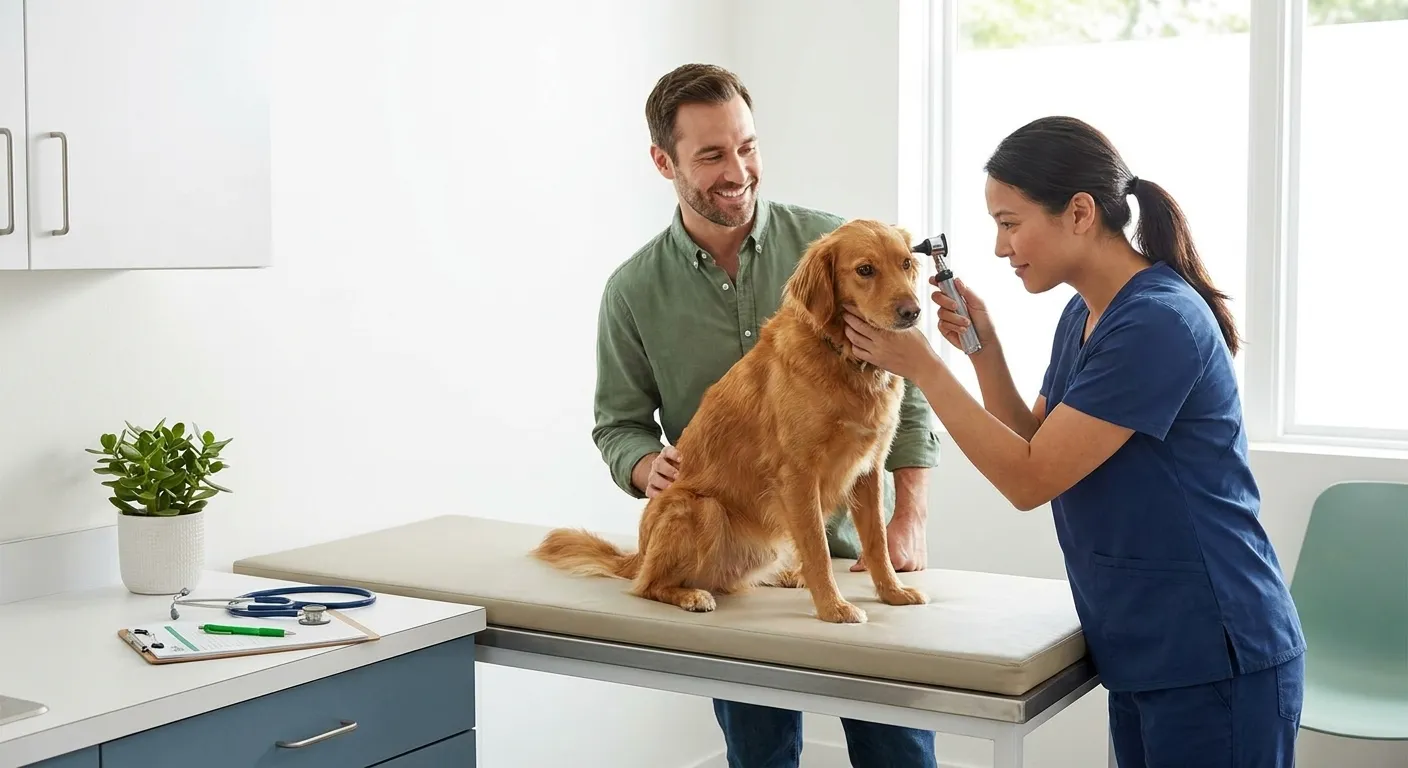
Regular Vet Checkups involve much more than just vaccinations. During a routine visit, your veterinarian will perform a thorough physical examination, checking everything from nose to tail. This includes listening to their heart and lungs, palpating their abdomen, checking their teeth and gums, examining their eyes and ears, and assessing their skin and coat. They’ll also discuss your dog’s diet, exercise habits, and any behavioral changes you might have noticed. This comprehensive approach allows the vet to establish a baseline for your dog’s health, making it easier to detect subtle changes that could indicate an underlying issue. Early detection of conditions like dental disease, arthritis, or even more serious illnesses can lead to more effective and less costly treatment.
The Preventative Power of Annual Visits
Preventative care is the cornerstone of good health, and annual vet visits are your first line of defense. Vaccinations protect your dog from common and often deadly diseases, while regular deworming and parasite prevention keep them safe from fleas, ticks, and internal parasites. Your vet can also offer personalized advice on nutrition, weight management, and age-appropriate care. For example, puppies need more frequent visits for their initial vaccination series, while senior dogs might benefit from blood work to monitor organ function. These preventative measures not only protect your dog from suffering but can also save you significant emotional and financial stress down the line by avoiding emergency situations. Prioritizing these checkups is a true act of love for your canine companion.
Why Consistent Veterinary Care Matters for Every Dog
Consistent veterinary care is essential, regardless of your dog’s age or breed. Consider this: even if your dog seems perfectly healthy, underlying issues can develop silently. An annual health check allows your vet to spot these subtle signs before they become major problems. For instance, early signs of kidney disease or diabetes might be detected through routine blood tests. Catching these conditions early means your dog can receive treatment sooner, improving their quality of life and potentially extending their lifespan. Therefore, these routine appointments are truly an investment in their long-term well-being.
Moreover, your veterinarian acts as your partner in pet care. They can offer tailored advice specific to your dog’s lifestyle, environment, and individual needs. Perhaps your dog spends a lot of time outdoors; your vet can recommend the best parasite prevention. Or maybe your dog is starting to slow down; they can suggest joint supplements or dietary adjustments. Building a relationship with your vet and their team means you have a trusted resource for all your dog-related questions and concerns. This ongoing dialogue is incredibly valuable.
Understanding the Schedule: How Often Should Your Dog See the Vet?
The frequency of veterinary visits often depends on your dog’s life stage. Puppies, for example, require several visits during their first few months for vaccinations, deworming, and initial health checks. This foundational care sets them up for a healthy start. Once they reach adulthood, most healthy dogs benefit from annual veterinary checkups. These yearly appointments are crucial for maintaining their health and catching any emerging issues.
However, senior dogs or those with chronic health conditions may need more frequent visits, sometimes every six months or even quarterly. This allows for closer monitoring of their health, adjustments to medication, and management of age-related issues. Your vet will always guide you on the best schedule for your specific dog. Following their recommendations ensures your dog receives the most appropriate and timely care throughout their life.
It’s also important to remember that if you notice any unusual changes in your dog’s behavior, appetite, energy levels, or physical appearance, you should contact your vet immediately. Don’t wait for the next scheduled appointment if you have concerns. Prompt attention can make a significant difference in outcomes. This proactive approach is a hallmark of responsible dog ownership.
The Role of Vaccinations and Parasite Prevention in Dog Health
Vaccinations are a cornerstone of preventative care, protecting your dog from a range of dangerous and often fatal diseases. Diseases like rabies, distemper, parvovirus, and hepatitis can be devastating, but vaccines provide a strong defense. Your vet will work with you to create a vaccination schedule tailored to your dog’s age, lifestyle, and local disease risks. For instance, dogs who frequently visit dog parks or boarding facilities might need additional protection against kennel cough.
Equally important is consistent parasite prevention. Fleas, ticks, and internal parasites like heartworms and intestinal worms pose serious health threats. Fleas can cause skin irritations and transmit tapeworms, while ticks can transmit Lyme disease and other serious bacterial infections. Heartworms, carried by mosquitoes, can cause severe lung disease and heart failure. Fortunately, there are many effective preventative medications available, from topical treatments to oral tablets. Your vet can help you choose the best option for your dog. For more information on keeping your dog safe outdoors, consider exploring options like ID tags and GPS trackers for added peace of mind.
Dental Health: A Key Component of Overall Well-being
Did you know that dental disease is one of the most common health problems in dogs? It’s true! Plaque and tartar buildup can lead to gingivitis, painful infections, and even tooth loss. Furthermore, bacteria from severe dental disease can enter the bloodstream and affect vital organs like the heart, kidneys, and liver. This highlights why good oral hygiene is so crucial for your dog’s overall health.
During Regular Vet Checkups, your veterinarian will thoroughly examine your dog’s teeth and gums. They can identify signs of dental disease and recommend appropriate action, which might include professional dental cleaning under anesthesia. Beyond vet visits, you can help maintain your dog’s oral health at home through regular brushing, dental chews, and specialized diets. Discussing these options with your vet during a checkup is a great way to ensure your dog’s pearly whites stay healthy.
Nutrition and Weight Management: Fueling a Healthy Life
What your dog eats plays a massive role in their health and longevity. During Regular Vet Checkups, your vet will discuss your dog’s diet and evaluate their body condition. Obesity is a widespread problem in dogs and can lead to a host of health issues, including arthritis, diabetes, heart disease, and a shortened lifespan. Your vet can help you determine if your dog is at a healthy weight and provide guidance on appropriate food choices, portion sizes, and feeding schedules.
Conversely, some dogs might be underweight due to underlying health conditions or insufficient nutrition. Your vet can investigate the cause and recommend a suitable dietary plan. They can also advise on supplements, if necessary, and discuss any specific dietary needs your dog might have, such as those related to allergies or sensitivities. Getting expert nutritional advice ensures your dog is receiving the right fuel for a vibrant life.
Behavioral Changes: When to Talk to Your Vet
Dogs can’t tell us when something is wrong, so changes in behavior are often the first clue that they’re experiencing pain, discomfort, or an underlying health issue. During your routine vet appointments, it’s important to discuss any behavioral changes you’ve observed. This could include increased aggression, sudden anxiety, excessive licking, changes in sleep patterns, or a decrease in activity. For instance, a senior dog who suddenly avoids stairs might be experiencing joint pain, which can be addressed with appropriate medication or supplements.
Sometimes, behavioral issues can stem from medical problems, and addressing the root cause is essential. Your vet can help differentiate between purely behavioral issues and those with a medical component. They can also offer referrals to veterinary behaviorists if specialized help is needed. Open communication about your dog’s behavior during Regular Vet Checkups is key to their holistic well-being. If you’re looking for ways to keep your dog engaged and mentally stimulated, consider exploring our range of puzzle toys.
Emergency Preparedness: A Benefit of Routine Care
While we hope our dogs never face an emergency, being prepared is a crucial aspect of responsible pet ownership. Establishing a history of Regular Vet Checkups with a consistent veterinary practice can be incredibly beneficial if an emergency arises. Your vet will have a complete medical record for your dog, including their baseline health, previous conditions, medications, and allergies. This information can be vital in an urgent situation, allowing for quicker and more informed treatment decisions.
Furthermore, having a trusted vet means you know who to call and where to go in a crisis. They can provide immediate advice over the phone or guide you to an emergency veterinary clinic if they are unavailable. Knowing your dog’s health history and having a relationship with your vet can truly make a difference when every second counts. It reduces stress for both you and your dog during an already difficult time. Always know where your nearest emergency vet clinic is located. The American Veterinary Medical Association (AVMA) offers resources to help you find accredited veterinarians and emergency services. You can visit their website at AVMA.org.
The Peace of Mind That Comes with Preventative Care
Ultimately, making Regular Vet Checkups a priority gives you, the dog owner, immense peace of mind. Knowing that you are proactively addressing your dog’s health, preventing potential issues, and catching any problems early provides comfort. It’s about being a responsible, loving pet parent who invests in their dog’s long and happy life. These routine visits are not just about treating illness; they are about celebrating health and ensuring your furry companion thrives alongside you.
Taking your dog for routine examinations helps you stay informed about their health needs as they age. From puppyhood through their senior years, their needs will change, and your vet can help you navigate each stage with confidence. This ongoing partnership with your veterinary team is invaluable. It helps you provide the best possible care, allowing you to enjoy many wonderful years with your beloved dog. For more insights on dog care and products, feel free to visit our Blog.
Conclusion
In conclusion, Regular Vet Checkups are an indispensable part of responsible dog ownership. They are far more than just quick visits; they are comprehensive health assessments that cover everything from preventative vaccinations and parasite control to dental health, nutrition, and behavioral observations. By prioritizing these routine appointments, you are taking proactive steps to safeguard your dog’s health, detect potential issues early, and ensure they receive personalized, age-appropriate care. This commitment to consistent veterinary care helps your dog live a longer, healthier, and happier life, bringing joy and companionship to your family for years to come. It’s a true testament to the love you have for your furry friend, and an investment that truly pays off in their well-being.
FAQ Section
How often should my dog visit the veterinarian?
Most healthy adult dogs should have a veterinary examination once a year. Puppies and senior dogs, or those with chronic conditions, may require more frequent visits, as advised by your vet.
What should I expect during a routine veterinary examination?
During a routine visit, your vet will perform a thorough physical exam, checking your dog’s eyes, ears, teeth, heart, lungs, and abdomen. They’ll also discuss diet, exercise, and any behavioral changes. Vaccinations and parasite prevention will be addressed as needed.
Are these annual visits really necessary if my dog seems healthy?
Yes, absolutely! Many health issues, such as dental disease, early arthritis, or even organ problems, can develop without obvious symptoms. Routine health checks allow your vet to detect these issues early, often leading to more effective and less costly treatment, and ultimately a better quality of life for your dog.
What is preventative care for dogs?
Preventative care includes vaccinations against common diseases, regular deworming, year-round parasite prevention (fleas, ticks, heartworms), and professional dental cleanings. It also involves expert advice on nutrition, weight management, and age-specific care to keep your dog healthy and prevent illnesses before they start.
How can I prepare my dog for their vet appointment?
To prepare for their appointment, ensure your dog is comfortable with car rides and being handled. Bring a list of any concerns, questions, or changes in behavior you’ve noticed. You can also bring a small sample of their stool for parasite testing. Keeping them calm and comfortable will make the visit smoother for everyone. For tips on stress-free vet visits, you might find resources from the American Society for the Prevention of Cruelty to Animals (ASPCA) helpful at ASPCA.org.