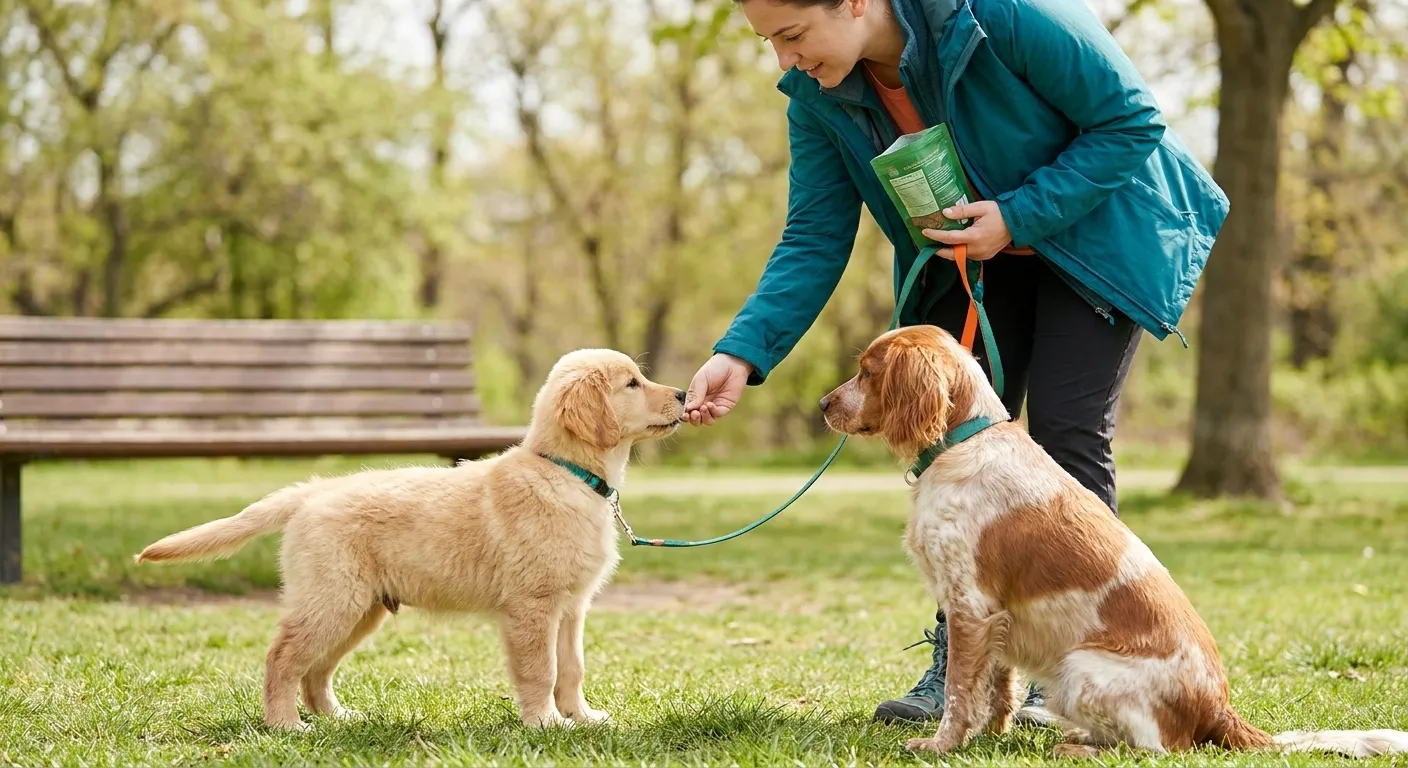
Bringing a new puppy into your home is an exciting time, and one of the most important things you can do for their development is to use a thorough puppy socialization guide. Socialization isn’t just about letting your puppy play with other dogs; it’s about exposing them to a wide variety of sights, sounds, smells, people, and experiences in a positive and controlled way. This critical development period, roughly from 3 to 16 weeks, sets the foundation for their future. Proper socialization helps your puppy grow into a confident, well-adjusted adult dog, thereby reducing the likelihood of fear-based aggression or anxiety later in life. Therefore, understanding how to approach this period is incredibly important for every dog owner.
The Critical Window for Puppy Socialization: Why Timing Matters
The period between 3 and 16 weeks is often referred to as the critical socialization window. During this time, puppies are most open to new experiences and form lasting impressions. It’s essential to introduce them to new things gently and positively. Think beyond just other dogs; for example, expose them to different types of people (children, adults, people with hats, people with glasses), various environments (parks, quiet streets, car rides), and different sounds (vacuum cleaners, doorbells, city noises). Always keep these experiences short and positive. Importantly, never force your puppy into a situation they find scary. The goal is positive association, not overwhelming exposure. Furthermore, remember that every interaction, even a quick trip in the car, can be a socialization opportunity. You can find more tips on preparing for your new arrival in our New Puppy Essentials List.
Safe Socialization Practices: Prioritizing Health and Happiness
While exposure is important, safety is paramount, especially before your puppy is fully vaccinated. Opt for controlled environments like puppy classes with vaccinated puppies, or supervised interactions with known, healthy, and friendly adult dogs. Avoid dog parks or areas with unknown dogs until your puppy has completed their vaccination series. When introducing your puppy to new people, ask them to be gentle, offer treats, and allow the puppy to approach on their own terms. Pay close attention to your puppy’s body language. A tucked tail, flattened ears, or attempts to hide are clear signs they’re uncomfortable. Retreat and try again later or in a less intense way. Following a thorough puppy socialization guide ensures your pup learns to navigate the world with confidence and joy. Always consult your veterinarian for specific vaccination schedules and advice on safe outings. Why Regular Vet Check-ups Matter for Your Dog’s Lifelong Health also provides valuable insights into your puppy’s overall well-being.
Expanding Your Puppy’s World: Beyond the Basics
Socializing your puppy goes beyond just meeting new dogs and people. It involves introducing them to a variety of textures, surfaces, and objects. For instance, let them walk on grass, pavement, carpet, and even gentle gravel. Allow them to explore different types of toys, from soft plushies to durable chew toys. This helps them develop confidence in handling various physical environments. Moreover, exposure to different smells, like those encountered on a walk in a new neighborhood, can be incredibly enriching. Remember to keep these experiences positive with plenty of praise and tasty healthy dog treats. This continuous positive reinforcement is a key component of any effective puppy socialization plan.
Introducing Your Puppy to New Sounds
Many puppies can be startled by sudden or loud noises. A gradual introduction to various sounds can prevent fear and anxiety. Start with everyday household noises, such as the vacuum cleaner, washing machine, or doorbell, played at a low volume. Gradually increase the volume as your puppy shows comfort. You can also play recordings of city sounds, thunder, or fireworks quietly in the background during playtime or meal times. The goal is to associate these sounds with positive experiences, helping your puppy learn that they are not threatening. This proactive approach is a vital part of a comprehensive puppy socialization guide.
Meeting Different Types of People
Exposure to a diverse group of people is crucial for your puppy’s development. This includes men, women, children, people wearing hats, glasses, or uniforms, and individuals with different gaits or voices. Encourage gentle interactions, always ensuring your puppy feels safe and in control. Ask people to offer a treat and let the puppy approach them. Avoid overwhelming your puppy with too many new faces at once. Instead, introduce them to one or two new, calm individuals at a time. This helps your puppy develop a positive association with strangers, a cornerstone of successful puppy socialisation.
Exploring New Environments and Sights
Taking your puppy to various safe environments broadens their understanding of the world. This could include a quiet park, a pet-friendly store, or even just a different street in your neighborhood. The key is controlled exposure. Let them observe from a distance first, then gradually move closer if they seem comfortable. A crucial aspect of this is ensuring their safety during travel; for example, using appropriate restraints during car rides is essential. You can learn more about this in our article on Dog Car Safety: Essential Gear for Stress-Free Travel. This diverse environmental exposure is a fundamental part of any effective puppy socialization program.
The Role of Puppy Classes in Socialization
Puppy classes offer a structured and safe environment for socialization. They provide opportunities for puppies to interact with other vaccinated puppies of similar ages and sizes, all under the supervision of experienced trainers. Furthermore, these classes often expose puppies to new commands, gentle handling, and various objects, contributing to their overall confidence. Trainers can also guide you on interpreting your puppy’s body language and managing interactions effectively. Investing in a good puppy class is an excellent way to supplement your at-home puppy socialisation efforts and ensure you’re following a proven puppy socialization guide.
Understanding Puppy Body Language: Key to Success
Learning to read your puppy’s body language is perhaps the most important skill you can develop during their socialization period. Subtle cues can tell you if your puppy is happy, nervous, or stressed. For example, a relaxed puppy might have a loose body, a wagging tail (not stiff), and soft eyes. Signs of discomfort include a tucked tail, flattened ears, lip licking, yawning (when not tired), or turning their head away. If your puppy shows signs of stress, remove them from the situation immediately. The goal is always to end on a positive note, preventing negative associations. By understanding these signals, you can adjust your approach and make every socialization experience beneficial. This vigilance is a cornerstone of any effective puppy development guide.
Continuing Socialization Beyond the Critical Window
Effective puppy socialization is an ongoing process that extends beyond the critical 16-week window. While the initial period is crucial, continued positive exposure throughout your puppy’s first year, and even into adulthood, is vital. Maintain regular, supervised playdates with friendly dogs. Continue introducing them to new places, people, and sounds. Reinforce good manners and confidence through consistent training. This sustained effort helps solidify their positive associations and prevents regression. Remember, socialization isn’t a one-time event; it’s a lifelong journey that builds a strong, confident bond between you and your dog. Therefore, think of this as a continuous puppy socialisation journey, not just a short-term project.
Troubleshooting Common Socialization Challenges
Even with the best intentions, you might encounter challenges during your puppy’s social development. For instance, some puppies might be shy, while others might be overly boisterous. If your puppy is timid, introduce new things very slowly and from a distance, using high-value treats to create positive associations. For an overly enthusiastic puppy, focus on teaching impulse control and polite greetings. Always supervise interactions closely and intervene before problems escalate. If you’re struggling, don’t hesitate to seek guidance from a certified professional dog trainer or your veterinarian. They can provide tailored advice and support, ensuring your puppy receives the best possible start. This professional input can greatly enhance your puppy socialization guide.
The Long-Term Benefits of Early Socialization
The effort you put into early socialization will yield immense long-term benefits for both you and your dog. A well-socialized dog is generally more adaptable, less prone to fear-based behaviors, and more enjoyable to be around. They are more likely to tolerate vet visits, grooming sessions, and new experiences without stress. This reduces anxiety for your dog and makes your life as an owner much easier. Furthermore, it fosters a deeper, more trusting relationship between you and your companion. Ultimately, investing in a robust puppy socialization plan is an investment in a happy, harmonious future together. For more insights on puppy care, consider our Crate Training Your Puppy: A Gentle and Effective Approach.
By providing positive, varied experiences, you’re helping your puppy develop into a happy, confident, and well-mannered companion. This comprehensive puppy socialization guide provides the framework for a successful journey. Remember, consistency, patience, and positive reinforcement are your best tools. A well-socialized puppy grows into a confident, friendly dog, ready to enjoy all the adventures life has to offer with you by their side.
FAQ: Frequently Asked Questions About Puppy Socialization
What is the best age to start puppy socialization?
The optimal time to begin socializing your puppy is during their critical development window, which is typically between 3 and 16 weeks of age. During this period, puppies are most receptive to new experiences and form lasting impressions. However, socialization is an ongoing process that continues throughout their lives.
How can I socialize my puppy before they are fully vaccinated?
Before your puppy is fully vaccinated, prioritize safe and controlled environments. This includes puppy classes for vaccinated puppies, supervised interactions with known, healthy, and friendly adult dogs, and exposure to various sights and sounds from a distance. Avoid public dog parks or areas with unknown dogs until your vet gives the all-clear. Consult your veterinarian for specific advice on safe outings.
How often should I expose my puppy to new things?
Aim for frequent, short, and positive exposures to new things. Daily small interactions are more effective than infrequent, overwhelming ones. Focus on quality over quantity, ensuring each experience is positive and ends on a good note. A little bit every day goes a long way in helping your puppy adjust.
What are signs my puppy is not enjoying a socialization experience?
Look for signs of discomfort or stress, such as a tucked tail, flattened ears, lip licking, yawning (when not tired), turning their head away, or trying to hide. If you observe these behaviors, remove your puppy from the situation gently and try again later in a less intense way. Respecting their boundaries is crucial for successful social adjustment.
Can I still socialize an older puppy or adult dog?
While the critical window closes, you can absolutely continue to socialize an older puppy or adult dog. It might take more time and patience, but positive exposure to new people, places, and other dogs (under controlled conditions) can still greatly improve their confidence and behavior. Consider working with a professional dog trainer for guidance with adult dog social development.