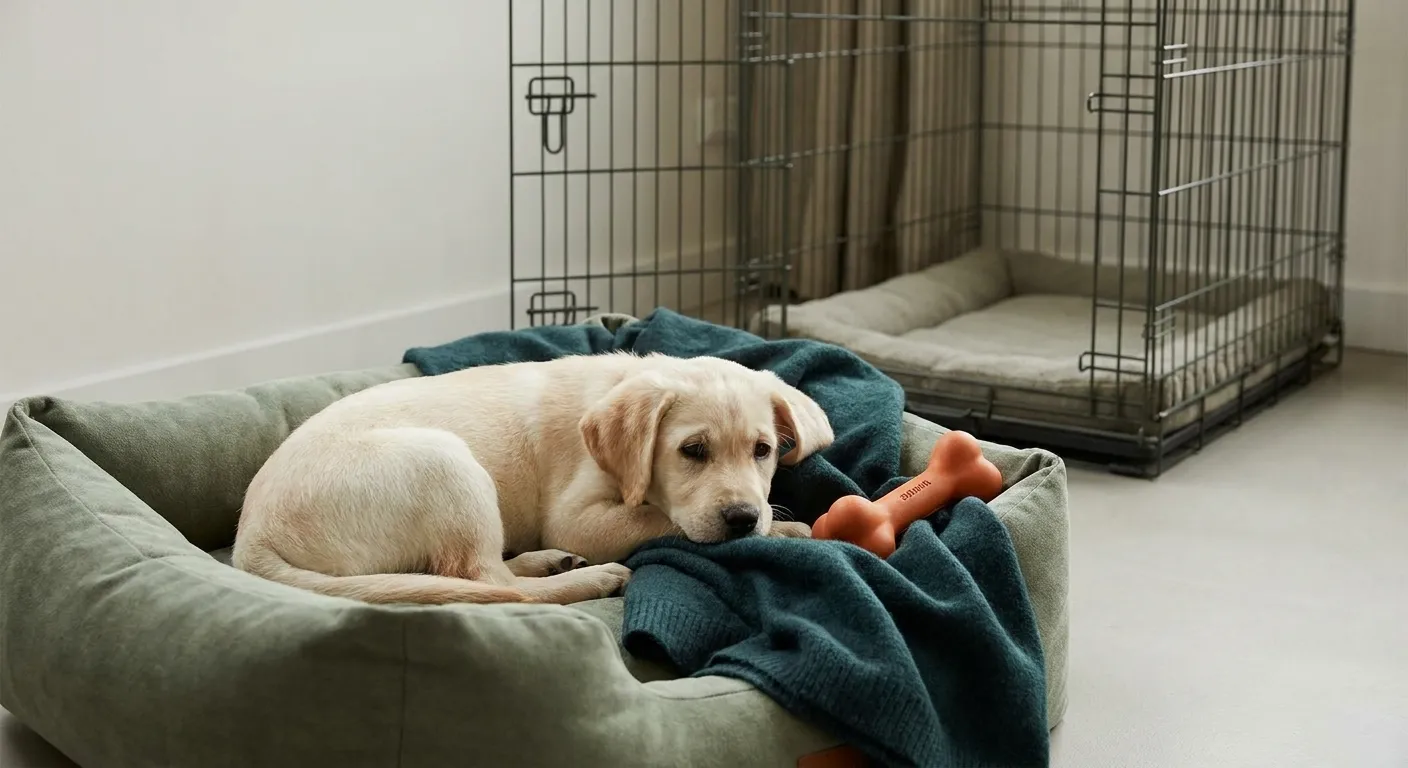
One of the most common concerns for new puppy owners is the fear of their furry friend developing separation anxiety. While it can be distressing for both puppy and owner, the good news is that puppy separation anxiety prevention can be effectively managed with proactive steps from day one. By fostering independence and building confidence in your puppy while they are young, you can help them become a calm and content companion, even when you’re not around.
Understanding Puppy Separation Anxiety
Before diving into prevention, it’s helpful to understand what separation anxiety looks like. Typically, it manifests as excessive barking, destructive chewing, inappropriate urination or defecation, or even frantic attempts to escape when left alone. These behaviors are not acts of defiance; instead, they are signs of genuine distress and fear. Recognizing these signs early allows you to adjust your approach and reinforce positive behaviors.
Many puppies naturally feel anxious when separated from their littermates and mother. Consequently, they often transfer this strong attachment to their new human family. Our goal, therefore, is to gently guide them towards feeling secure and happy, even without constant human presence. This process requires patience, consistency, and a clear understanding of your puppy’s needs. Furthermore, establishing a strong foundation of trust and security is paramount.
Building Independence from the Start
Start by creating a positive association with alone time. This doesn’t mean leaving your puppy alone for hours immediately. Instead, begin with very short periods. For example, place your puppy in their crate or a safe, puppy-proofed area with a puzzle toy or a long-lasting chew. Then, calmly walk into another room for a minute or two. Return before they show any signs of distress. Gradually increase the duration of these absences. The goal is for your puppy to learn that you always come back and that being alone can be a pleasant experience, associated with treats and calm activities. Moreover, choosing the right safe durable dog toys can significantly aid in this process, keeping them engaged and happy.
It’s important to remember that every puppy is different. Some may adapt to alone time more quickly than others. Therefore, always observe your puppy’s cues and progress at their pace. Pushing them too quickly can be counterproductive and might intensify their anxiety. Instead, celebrate small victories and maintain a positive, encouraging attitude throughout their training. This gentle approach is fundamental for effective puppy separation anxiety prevention.
Establishing Routines and Safe Spaces
Consistency is key in puppy separation anxiety prevention. Establish a predictable daily routine that includes play, training, potty breaks, and rest times. This structure helps your puppy feel secure. Ensure your puppy has a comfortable, safe space where they can relax when you’re not actively engaging with them. This could be their crate, a cozy bed, or a designated puppy zone. Avoid making a big fuss when you leave or return; keep departures and arrivals low-key to minimize the emotional charge. Practicing ‘fake’ departures (grabbing keys, putting on your coat, then sitting back down) can also desensitize your puppy to your leaving cues. By thoughtfully implementing these early steps, you’ll equip your puppy with the emotional resilience needed to handle your absences gracefully. Furthermore, providing a comfortable dog bed in their safe space can enhance their sense of security.
A well-established routine provides a sense of predictability, which is incredibly comforting for puppies. Knowing what to expect throughout the day can reduce overall stress and make alone time less daunting. For instance, always providing a special chew toy just before you leave helps your puppy associate your departure with a positive, engaging activity. This simple routine can significantly contribute to their sense of calm.
The Crate: A Tool for Independence
When used correctly, a crate can be an invaluable tool in preventing separation anxiety. It provides a den-like, secure space where your puppy feels safe and protected. Introduce the crate gradually and always make it a positive experience. Never use the crate for punishment. Instead, feed meals inside, offer treats, and place cozy bedding. The goal is for your puppy to view their crate as their personal sanctuary, a place where they can happily relax when you’re away.
Begin by having your puppy spend short periods in the crate while you are still in the room. Give them a special toy or treat. As they become comfortable, gradually increase the time they spend in the crate, and then start leaving the room for very brief intervals. Remember, the crate should always be a positive place. This consistent positive reinforcement helps in fostering their sense of security and independence, which is vital for preventing dog separation issues.
Gradual Departures and Returns
One of the most effective strategies for puppy separation anxiety prevention involves making your departures and returns as uneventful as possible. Avoid lengthy goodbyes or overly enthusiastic greetings. These actions can inadvertently heighten your puppy’s emotional state, making your absence feel more significant or your return overly exciting. Instead, aim for a calm, quiet exit and a similarly calm, quiet return. This teaches your puppy that your coming and going is a normal, low-key part of life.
When you leave, simply say a quiet goodbye and walk out. When you return, ignore your puppy for the first few minutes until they are calm. Once they are settled, you can offer a gentle greeting. This method helps your puppy understand that your departure isn’t a big deal and that your return is simply a part of their predictable routine. Moreover, practicing ‘fake’ departures, where you go through the motions of leaving but don’t actually go, helps desensitize them to your pre-departure cues.
Mental and Physical Exercise
A tired puppy is a happy puppy, and often, a less anxious puppy. Ensuring your puppy receives adequate mental and physical exercise is a crucial component of preventing separation distress. Daily walks, playtime, and training sessions can help burn off excess energy and provide mental stimulation. A puppy that is physically and mentally satisfied is more likely to rest calmly when left alone, rather than becoming restless or destructive. For example, engaging them with various durable dog toys can provide excellent mental and physical outlets.
Consider incorporating puzzle toys or snuffle mats into their routine. These activities challenge your puppy’s mind and can keep them occupied for extended periods. Furthermore, structured training sessions, like teaching your dog basic commands, not only strengthen your bond but also provide valuable mental exercise. A well-exercised puppy is less likely to have pent-up energy that can contribute to anxious behaviors when left alone.
Socialization and Exposure
Early and positive socialization plays a significant role in developing a well-adjusted, confident dog. Exposing your puppy to a variety of sights, sounds, people, and other animals in a controlled and positive manner helps them learn to navigate the world without fear. A confident puppy is generally less prone to anxiety, including separation issues. Consequently, a well-socialized puppy is more likely to cope better with being left alone.
However, ensure all socialization experiences are positive. Overwhelming a puppy can be counterproductive. Puppy classes are an excellent way to provide controlled socialization opportunities. Additionally, taking your puppy on short, positive outings to different environments can build their confidence. For more detailed guidance, refer to our article on how to socialize your puppy safely and effectively.
Addressing Nuisance Barking and Chewing
If your puppy barks excessively or chews inappropriately when left alone, it’s important to address these behaviors as potential signs of distress, not just naughtiness. For barking, ensure they have been exercised and had a potty break before you leave. Provide engaging toys. If barking persists, consider short periods of absence, returning before barking starts. This teaches them that quiet behavior leads to your return.
For destructive chewing, ensure you provide appropriate chew toys. Redirect any inappropriate chewing to acceptable items. Bitter sprays can also be used on items you don’t want them to chew. Remember, these behaviors are often symptoms of underlying anxiety, so addressing the root cause through consistent training and positive reinforcement is key to puppy separation anxiety prevention.
When to Seek Professional Help
Despite your best efforts, some puppies may still develop significant separation anxiety. If your puppy exhibits severe signs of distress, such as self-harm, frantic escape attempts, or persistent destructive behavior, it’s time to seek professional help. A certified professional dog trainer or a veterinary behaviorist can provide tailored strategies and, if necessary, medication to help manage severe cases. They can offer invaluable guidance and support.
Early intervention is always best. Don’t hesitate to reach out if you feel overwhelmed or if your puppy’s anxiety is not improving with your current methods. Organizations like the ASPCA and the Humane Society offer resources and advice on dealing with dog separation issues, providing further support for concerned owners.
Conclusion
Preventing puppy separation anxiety is a journey that requires patience, consistency, and a deep understanding of your puppy’s needs. By implementing early steps for independence, establishing routines, utilizing a crate effectively, making departures and returns calm, ensuring adequate exercise, and providing positive socialization, you can help your puppy grow into a confident, independent, and well-adjusted companion. Remember, a little proactive effort now can save you and your furry friend a lot of stress in the future. Your dedication to puppy separation anxiety prevention will foster a stronger, happier bond between you and your beloved pet.
FAQ Section
How can I tell if my puppy has separation anxiety?
Signs often include excessive barking or howling, destructive chewing, inappropriate urination or defecation when left alone, frantic attempts to escape, or pacing. These behaviors typically only occur when you are absent.
Is it okay to leave my puppy alone at all?
Yes, it’s crucial to teach your puppy to be comfortable alone. Start with very short periods, gradually increasing the duration. This builds their confidence and helps prevent them from becoming overly dependent.
What is the best way to introduce a crate for alone time?
Make the crate a positive place by feeding meals inside, offering treats, and providing comfortable bedding. Never use it for punishment. Allow your puppy to spend short, positive periods in it while you are nearby, then gradually increase the time and your absence.
Should I make a big deal when I leave or come home?
It’s best to keep departures and arrivals low-key. Avoid lengthy goodbyes or overly excited greetings. This helps your puppy understand that your coming and going is a normal, uneventful part of their routine, reducing the emotional charge.
How important is exercise for preventing separation distress?
Very important! A puppy that receives adequate mental and physical exercise is often calmer and more likely to rest quietly when left alone. Daily walks, playtime, and puzzle toys can help burn energy and provide stimulation.
Can diet affect my puppy’s anxiety levels?
While diet isn’t a direct cause or cure for separation anxiety, a balanced and nutritious diet can contribute to overall well-being, which in turn can support a calmer demeanor. Always ensure your puppy is getting appropriate nutrition, and consider consulting your vet about any dietary concerns. For more information, check out our guide on deciphering dog food labels.