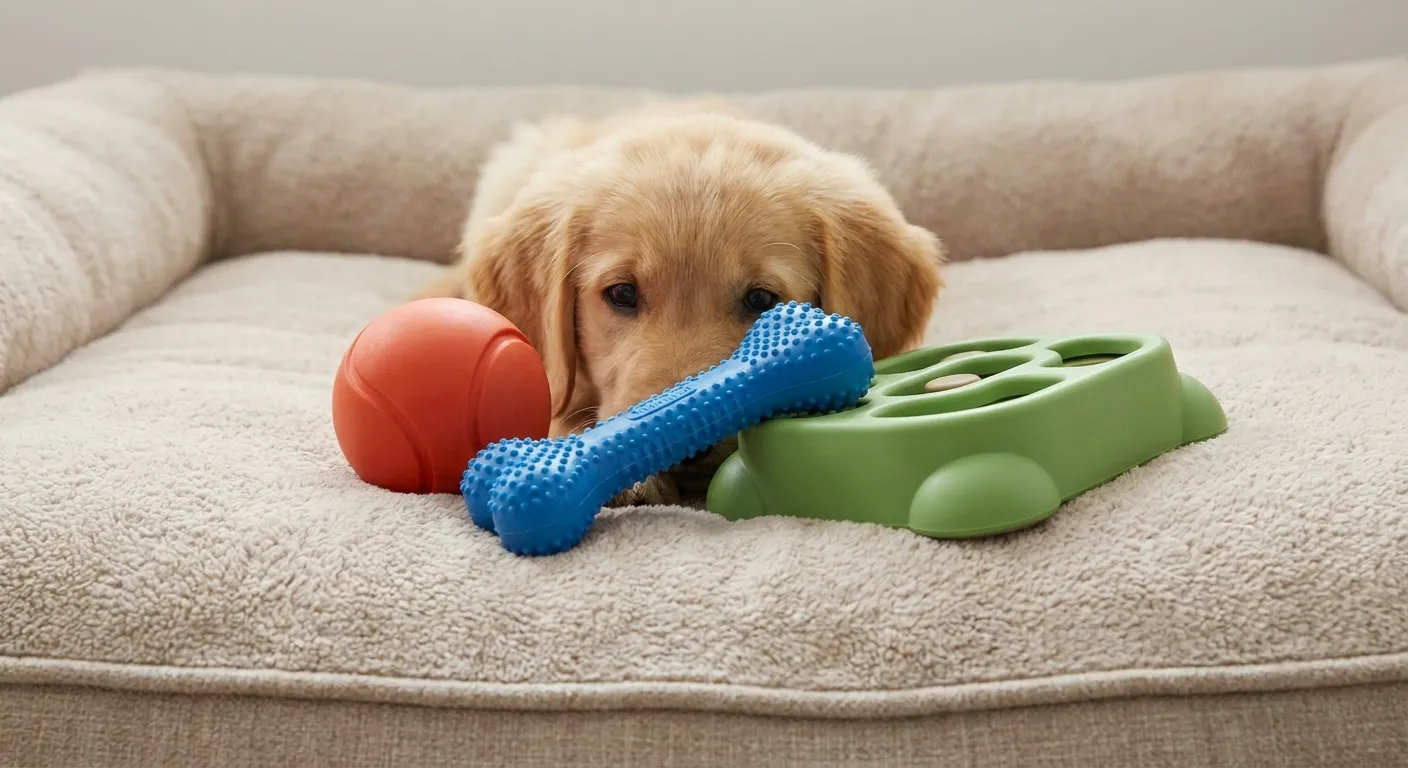
Every dog owner wants to provide their furry friend with stimulating and enjoyable play. However, ensuring you choose safe dog toys is paramount. With countless options on the market, it can be tricky to distinguish between a fun distraction and a potential hazard. This comprehensive guide will help you make informed decisions, prioritizing safety, durability, and your dog’s specific play habits. We’ll explore material choices, size considerations, and how to match toys to your dog’s unique personality, ensuring hours of happy and secure playtime.
Understanding Toy Safety: What to Look For
When evaluating safe dog toys, the material and construction are your first checkpoints. It’s crucial to select items made from non-toxic materials. For example, natural rubber, durable nylon, and specific dental-safe plastics are excellent choices. These materials are designed to withstand chewing and prevent harmful chemicals from leaching. Always check product labels for certifications or indications of non-toxic composition. Furthermore, avoid toys with small, easily detachable parts that could be swallowed. This includes plastic eyes, bells, ribbons, or small decorative elements. These tiny pieces pose a significant choking risk, especially for enthusiastic chewers.
For strong chewers, choosing the right toy is even more critical. Look for toys specifically labeled as ‘heavy-duty’ or ‘indestructible.’ Softer toys, while appealing, can break apart quickly and create dangerous fragments. These fragments can become lodged in your dog’s throat or digestive system. In fact, many veterinary emergencies involve ingested toy pieces. Always match the toy size to your dog; a toy too small can be swallowed whole, while one too large might not be engaging or manageable for play. It’s a simple yet effective rule for preventing accidents.
Material Matters: Durable and Non-Toxic Options
The materials used in dog toys directly impact their safety and longevity. Natural rubber is a fantastic option due to its resilience and flexibility. It can withstand significant chewing while being gentle on your dog’s teeth and gums. Silicone is another safe and durable choice, often used in treat-dispensing toys because it’s easy to clean and resistant to bacteria. For dogs who love to gnaw, nylon toys are incredibly tough. However, ensure they are solid nylon, not hollow or easily splintered. Dental-safe plastics are also available, often designed with textures that help clean teeth as your dog chews. Conversely, avoid toys made from cheap, brittle plastics that can shatter, or those with strong chemical odors, which might indicate harmful substances.
Tailoring Toys to Your Dog’s Play Style
Consider your dog’s individual personality and play preferences. Is your dog a gentle chewer, a power chewer, or more interested in fetching and tugging? Understanding their play style is key to selecting appropriate and safe dog toys. For instance, a dog who loves to shred might enjoy fabric toys, but these must be monitored closely to prevent ingestion of stuffing or loose threads. On the other hand, a dog who prefers to carry toys around gently will benefit from plush toys, provided they are made without small, swallowable embellishments. Moreover, puppies have different needs than adult dogs, requiring softer, more pliable toys for their developing teeth.
Puzzle toys can provide excellent mental stimulation and slow down eating for clever dogs. These puzzle toys engage your dog’s mind, preventing boredom and destructive behaviors. For active dogs, durable fetch balls or tug ropes made from safe, sturdy materials are ideal. When selecting chew toys, always prioritize those that are appropriately sized and nearly indestructible. Furthermore, interactive toys, such as those that move or dispense treats, can keep your dog entertained for extended periods. Always supervise your dog during playtime, especially with new toys, to ensure they interact with them safely. Regularly inspect all toys for wear and tear, and discard any that are broken, ripped, or show signs of deterioration to prevent accidental ingestion.
The Power Chewer’s Predicament: Finding Indestructible Fun
Power chewers present a unique challenge when it comes to finding safe dog toys. Many standard toys simply don’t stand a chance. For these determined dogs, look for toys made from virtually indestructible materials like solid rubber or reinforced nylon. Brands specializing in ‘extreme chewers’ often use proprietary materials designed to withstand intense gnawing. However, even these toys aren’t truly indestructible, so consistent monitoring is essential. Avoid rawhide or bones that can splinter, as these can cause serious internal injuries. Instead, opt for dental chews specifically formulated to be digestible and safe. Many veterinarians recommend consulting with them about the best chew options for your dog’s specific needs.
Interactive Play: Engaging Mind and Body
Beyond solo chewing, interactive play is vital for a dog’s physical and mental well-being. Toys that encourage interaction with you, such as fetch toys or tug ropes, strengthen your bond and provide excellent exercise. For dogs who enjoy a mental workout, interactive toys that dispense treats or require problem-solving are perfect. These can range from simple treat balls to complex feeders. Remember, the goal is to make playtime stimulating and safe. Avoid leaving your dog unsupervised with toys that could pose a risk if broken apart, such as those with small batteries or complex mechanisms. A good rule of thumb is: if you wouldn’t give it to a toddler, don’t give it to your dog without strict supervision.
Regular Maintenance and Supervision
Even the safest dog toys require regular inspection and proper maintenance. Over time, even the most durable toys can succumb to wear and tear. Therefore, it’s essential to check all toys frequently for cracks, loose pieces, or signs of deterioration. A small crack can quickly turn into a sharp edge, and a loose thread can become a choking hazard. When you spot damage, it’s time to replace the toy. Furthermore, keeping toys clean is vital for your dog’s health. Many toys can be washed with mild soap and water, or even tossed in the dishwasher. This prevents the buildup of bacteria and grime, which can lead to infections or upset stomachs.
Supervision during playtime is non-negotiable, especially with new toys or dogs known for destructive chewing. While you might trust your dog, accidents can happen quickly. Keeping an eye on their play helps you identify potential issues before they become serious. If you notice your dog trying to tear off pieces or struggling with a toy, intervene immediately. Moreover, teach your dog appropriate play behaviors. For instance, encourage gentle chewing on designated chew toys rather than household items. This proactive approach ensures a safer and more enjoyable experience for everyone.
When to Say Goodbye to a Favorite Toy
It can be hard to part with a beloved toy, but knowing when to discard it is crucial for your dog’s safety. If a toy is ripped, torn, or has exposed stuffing, it’s a hazard. Similarly, if a rubber toy has chunks missing or is heavily cracked, it’s no longer a safe dog toy. Plush toys with significant fraying or holes where stuffing can be pulled out should also be retired. Any toy that has become too small for your dog, posing a swallowing risk, must be replaced with a larger, more appropriate size. Ultimately, if you have any doubt about a toy’s safety, it’s always best to err on the side of caution and replace it. Your dog’s health and safety are always the top priority.
Beyond Toys: A Holistic Approach to Dog Safety
While selecting safe dog toys is a key part of responsible pet ownership, it’s part of a larger picture. A safe home environment extends beyond just toys. Consider other potential hazards, such as household chemicals, toxic plants, or small objects left within reach. For example, ensuring your dog wears ID Tags & GPS Trackers is crucial for their safety if they ever get lost. Similarly, a secure yard and proper leash training contribute significantly to their overall well-being. Education is power; therefore, staying informed about general dog safety guidelines can prevent many common accidents. Reputable sources like the American Veterinary Medical Association (AVMA) offer valuable insights into keeping your canine companion safe and healthy.
Furthermore, regular veterinary check-ups play a vital role in maintaining your dog’s health. Your vet can offer personalized advice on everything from nutrition to appropriate chew toys for your dog’s breed, age, and dental health. They can also provide guidance on managing specific behaviors that might lead to unsafe interactions with toys or other objects. Maintaining a watchful eye on your dog’s behavior and habits also helps. Any sudden changes in chewing preferences or play intensity could indicate an underlying issue. For more general insights into pet care, resources like the American Society for the Prevention of Cruelty to Animals (ASPCA) provide comprehensive information.
Conclusion
Selecting safe dog toys doesn’t have to be complicated. By focusing on durable, non-toxic materials and matching the toy to your dog’s size and play style, you can ensure hours of fun and safe entertainment. Remember to regularly inspect toys for wear and tear, and always supervise playtime. Your commitment to choosing the right toys not only provides joy but also protects your furry friend from potential hazards. Prioritizing safety means a happier, healthier life for your beloved companion. Explore our blog for more helpful tips on caring for your dog.
FAQ Section
What materials are best for safe pet playthings?
Natural rubber, durable nylon, and specific dental-safe plastics are excellent choices for safe pet playthings. These materials are non-toxic and designed to withstand chewing, reducing the risk of ingestion or chemical exposure.
How often should I check my dog’s play items for damage?
You should check your dog’s play items regularly, ideally before or after each play session. Daily inspection for strong chewers is recommended. Discard any item showing cracks, tears, or loose parts immediately.
Can a toy be too small for my dog?
Yes, a toy can definitely be too small for your dog. A toy that fits entirely into your dog’s mouth poses a significant choking hazard. Always choose items that are appropriately sized for your dog’s breed and mouth size.
Are ‘indestructible’ dog toys truly indestructible?
No, no dog toy is truly indestructible. While some toys are designed to be highly durable for power chewers, consistent use will eventually cause wear and tear. Regular supervision and inspection are still essential.
Why is supervision important during my dog’s playtime?
Supervision is important during your dog’s playtime to ensure they interact with their toys safely. It allows you to intervene if a toy breaks, if your dog tries to swallow a piece, or if they engage in unsafe play behaviors, preventing potential accidents.