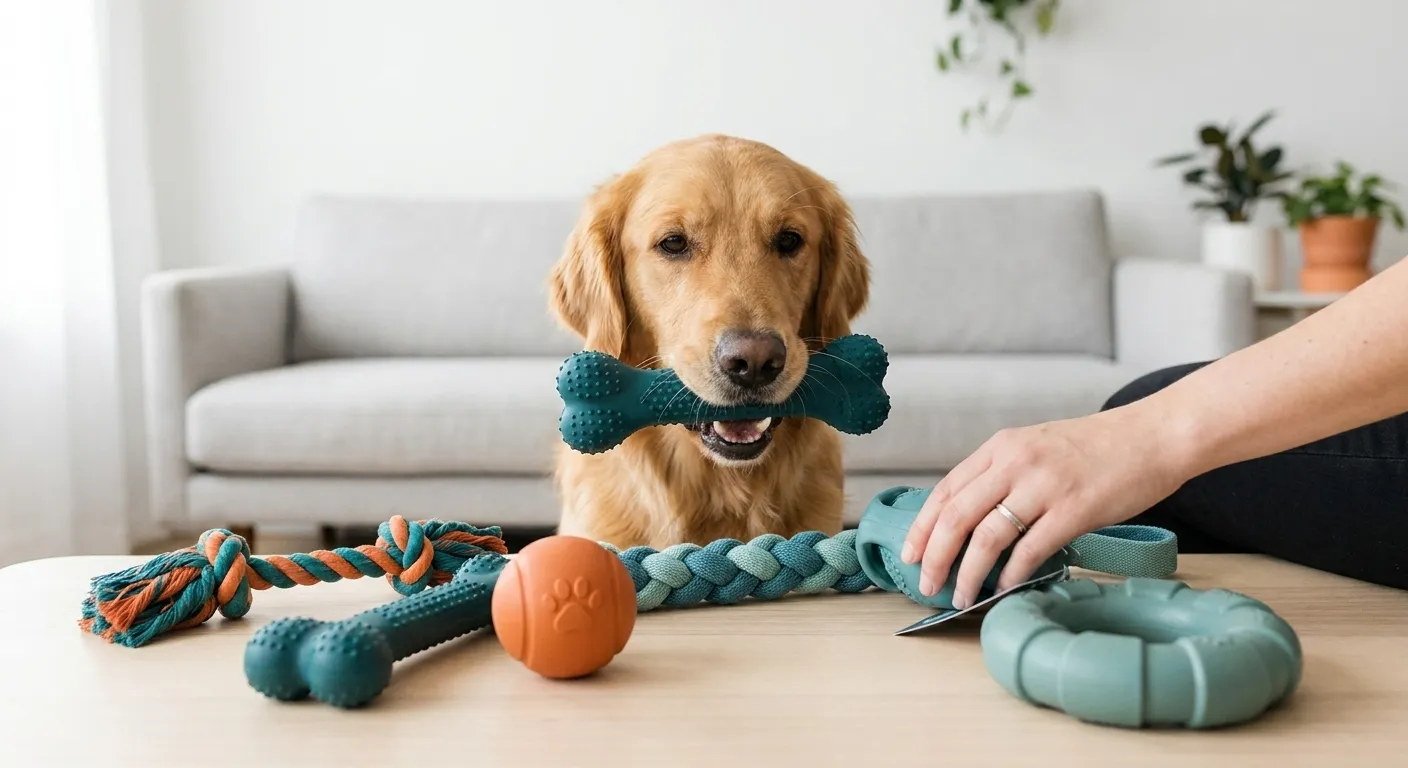
Playtime is more than just fun for your dog; it’s a vital part of their physical exercise, mental stimulation, and overall well-being. As a dedicated dog parent, you’ve likely experienced the frustration of a new toy being shredded in minutes. Beyond the cost, there’s a more critical concern: durable dog toys safety. Ensuring your dog’s toys are safe and appropriate is paramount to protecting your beloved pet.
The humanization of pets means dogs are truly seen as family members, influencing every purchasing decision. This means prioritizing their safety and happiness above all else, which 88% of pet parents agree is as important as their own. With this in mind, choosing the right toys is not just about entertainment; it’s about making smart, value-driven choices that promote long-term health and prevent potential hazards. Let’s explore how to select toys that last and keep your dog safe.
Why Durable Dog Toys Safety Matters More Than Ever
Many common dog toys, especially those made from cheap materials, can pose significant risks. Choking hazards from swallowed pieces, ingestion of toxic materials, or injuries from sharp edges are real concerns. Investing in durable, high-quality toys is a proactive step in preventive care, which is a priority for many dog owners. While seemingly more expensive upfront, these toys often last longer, saving you money in the long run and, more importantly, protecting your dog from harm. This aligns perfectly with the value-driven spending trend, where owners seek durability and practicality without compromising safety.
Furthermore, understanding the potential dangers helps you make informed decisions. For instance, some materials can leach harmful chemicals, especially when chewed extensively. Therefore, selecting toys specifically designed for canine use and tested for safety is crucial. A responsible pet owner always considers the long-term implications of their choices, prioritizing health and security.
What to Look For in a Safe, Durable Dog Toy
Choosing the right toy involves more than just picking something visually appealing. Consider these factors:
Material Matters for Toy Longevity and Health
Opt for toys made from natural rubber, non-toxic plastics, or sturdy, tightly woven rope. Avoid brittle plastics that can easily break into sharp pieces, and always check for non-toxic certifications. Materials should be robust enough to withstand your dog’s chewing power without splintering or shedding small fragments. For example, solid rubber toys are often a great choice for strong chewers. You might also want to explore options made from sustainable materials. Importantly, always ensure the material won’t cause allergic reactions in your dog. The Humane Society offers excellent guidance on safe toy materials.
Size and Shape Considerations for Playtime Safety
Ensure the toy is appropriately sized for your dog. A toy that’s too small can become a choking hazard, while one that’s too large might not be engaging. Consider your dog’s chewing style – gentle chewers have different needs than power chewers. Toys with unusual shapes or textures can also offer varied stimulation, but ensure there are no easily detachable parts. For instance, a small ball for a large dog is a definite no-go. Similarly, a toy with many small protrusions could be tempting for a dog to chew off and swallow. Choosing the right size directly contributes to durable dog toys safety.
Construction & Design: Built to Last and Protect
Examine the toy’s construction. Look for solid, seamless designs without small glued-on parts, bells, or squeakers that can be easily dislodged and swallowed. Smooth edges are crucial to prevent mouth injuries. Remember, even the most ‘indestructible’ dog toys aren’t truly impervious; regular inspection for wear and tear is essential. A well-constructed toy will stand up to repeated play sessions. For example, look for toys molded in one piece rather than assembled from several small components. This reduces weak points where the toy might break apart.
Beyond Chewing: Smart Toys for Mental Enrichment
While physical durability is key, mental durability is just as important. Puzzle toys and interactive feeders can provide hours of engagement, challenging your dog’s mind and preventing boredom. These toys often involve your dog figuring out how to retrieve treats, which is incredibly stimulating. They can be particularly beneficial for dogs who are prone to anxiety or destructive behaviors when left alone. Moreover, mental exercise can be just as tiring as physical exercise, leading to a calmer, happier dog. When considering these, also think about the material and construction to ensure durable dog toys safety in this category too.
Interactive Toys for Brainpower
Interactive toys, such as treat-dispensing balls or snuffle mats, encourage problem-solving. This type of play helps to reduce destructive chewing and can even aid in slower eating for dogs who gobble their food too quickly. They are excellent for keeping your dog busy and engaged, especially on rainy days or when you need them to settle down. Furthermore, these toys can strengthen the bond between you and your dog as you work together to solve the puzzle. For more ideas on enriching your dog’s life, consider exploring Useful Pet Tech Gadgets that offer smart buys for everyday dog owners.
Recognizing the Risks: When to Replace a Toy
Even the most robust toys won’t last forever. Regular inspection is vital. Look for cracks, tears, loose pieces, or any signs of significant wear. If a toy starts to break down, it immediately becomes a potential hazard. Small pieces can be choked on, and sharp edges can cause cuts. Therefore, it’s always better to err on the side of caution and replace a questionable toy rather than risk your dog’s health. This proactive approach is a cornerstone of responsible pet ownership.
Consider the toy’s original condition versus its current state. For example, a rope toy that has started to unravel poses a risk of threads being ingested, which can cause internal blockages. Similarly, a rubber toy with chunks missing could lead to your dog swallowing those pieces. Staying vigilant about the condition of your dog’s playthings is a crucial aspect of maintaining durable dog toys safety.
Choosing Brands That Prioritize Pet Well-being
When shopping for dog toys, consider brands known for their commitment to safety and quality. Read reviews and look for certifications that indicate non-toxic materials and durable construction. Many reputable brands invest in rigorous testing to ensure their products meet high safety standards. This research can save you time and money in the long run, as well as provide peace of mind. Moreover, supporting brands that prioritize pet health aligns with your values as a caring dog parent. You can often find information about a brand’s testing processes on their website or product packaging. The ASPCA provides valuable resources on choosing appropriate toys.
Furthermore, reputable companies often have transparent manufacturing processes. They are usually clear about where their materials come from and how their toys are made. This transparency helps you make an informed decision, ensuring you’re choosing products that are truly safe for your furry family member. Remember, a higher price point often reflects better materials and more thorough safety checks, contributing significantly to durable dog toys safety.
Training and Supervision: Your Role in Toy Safety
Even with the safest toys, supervision is key, especially with new toys or dogs known for aggressive chewing. Teaching your dog appropriate play behaviors can also extend the life of their toys and prevent accidents. For example, discouraging your dog from ‘destroying’ toys immediately can help. Instead, encourage gentle play or using puzzle toys as intended. This requires consistent training and positive reinforcement.
Additionally, knowing your dog’s chewing habits is important. Some dogs are gentle with their toys, while others are power chewers who can demolish anything in minutes. Adjust your toy choices accordingly. For instance, a power chewer will need toys specifically designed to withstand intense gnawing. This personalized approach ensures not only that your dog enjoys their toys, but also that their playtime remains safe and healthy.
The Link Between Toy Safety and Overall Pet Health
The choices you make regarding your dog’s toys are intertwined with their overall health and well-being. Safe, durable toys contribute to good dental hygiene, mental stimulation, and physical exercise, all of which are pillars of a healthy dog’s life. Just as you carefully select healthy dog food, toy choices also impact their health. For example, chewing on appropriate toys can help clean teeth and massage gums, reducing the risk of dental disease.
Conversely, unsafe toys can lead to costly vet visits for issues like choking, internal blockages, or cuts. By prioritizing durable dog toys safety, you’re not just buying a product; you’re investing in your dog’s long-term health and happiness. This holistic view of pet care is what being a truly dedicated dog parent is all about. Moreover, a well-exercised and mentally stimulated dog is generally a happier dog, less prone to behavioral issues.
Conclusion: Prioritizing Playtime with Confidence
Choosing safe and durable dog toys is a fundamental aspect of responsible pet ownership. By focusing on quality materials, appropriate sizing, and sturdy construction, you can provide your dog with enriching playtime experiences without compromising their safety. Remember to regularly inspect toys, supervise play, and replace items as needed. Your dog’s well-being is worth the effort, and with these guidelines, you can confidently select toys that bring joy and security to your furry family member. Investing in durable dog toys safety means investing in years of happy, healthy play for your cherished companion. Ultimately, your thoughtful choices ensure that playtime remains a source of joy, not a cause for concern.
FAQ Section
What are the safest materials for dog toys?
The safest materials generally include natural rubber, non-toxic plastics (like those labeled BPA-free), and tightly woven, durable ropes. Always check for certifications indicating they are free from harmful chemicals. Avoid brittle plastics and materials with strong chemical odors.
How often should I replace my dog’s toys?
You should replace your dog’s toys as soon as you notice any signs of wear and tear, such as cracks, tears, loose pieces, or significant fraying. Even if a toy seems fine, regular inspection is crucial. For aggressive chewers, replacement might be more frequent, emphasizing the need for robust dog toy protection.
Can a dog toy be too big or too small?
Yes, absolutely. A toy that is too small can be swallowed, posing a serious choking hazard. Conversely, a toy that is too large might be difficult for your dog to play with effectively or carry comfortably. Always choose toys appropriate for your dog’s size and breed, considering their mouth size and chewing habits for optimal dog toy security.
Are squeaky toys safe for dogs?
Squeaky toys can be safe, but it depends on the dog and the toy’s construction. The main concern is whether the squeaker can be easily dislodged and swallowed. For dogs who tend to ‘dissect’ their toys, squeakers can be a choking hazard. Always supervise play with squeaky toys and opt for those with securely embedded squeakers, ensuring proper dog toy safeguarding.
How can I make my dog’s toys last longer?
To make dog toys last longer, choose high-quality, durable materials designed for strong chewers if your dog is one. Rotate toys to keep your dog from getting bored with just one, and store them properly when not in use. Regular cleaning can also extend their life. Most importantly, supervise playtime to prevent immediate destruction and replace damaged items promptly, which is key for long-lasting dog toys and their safety.