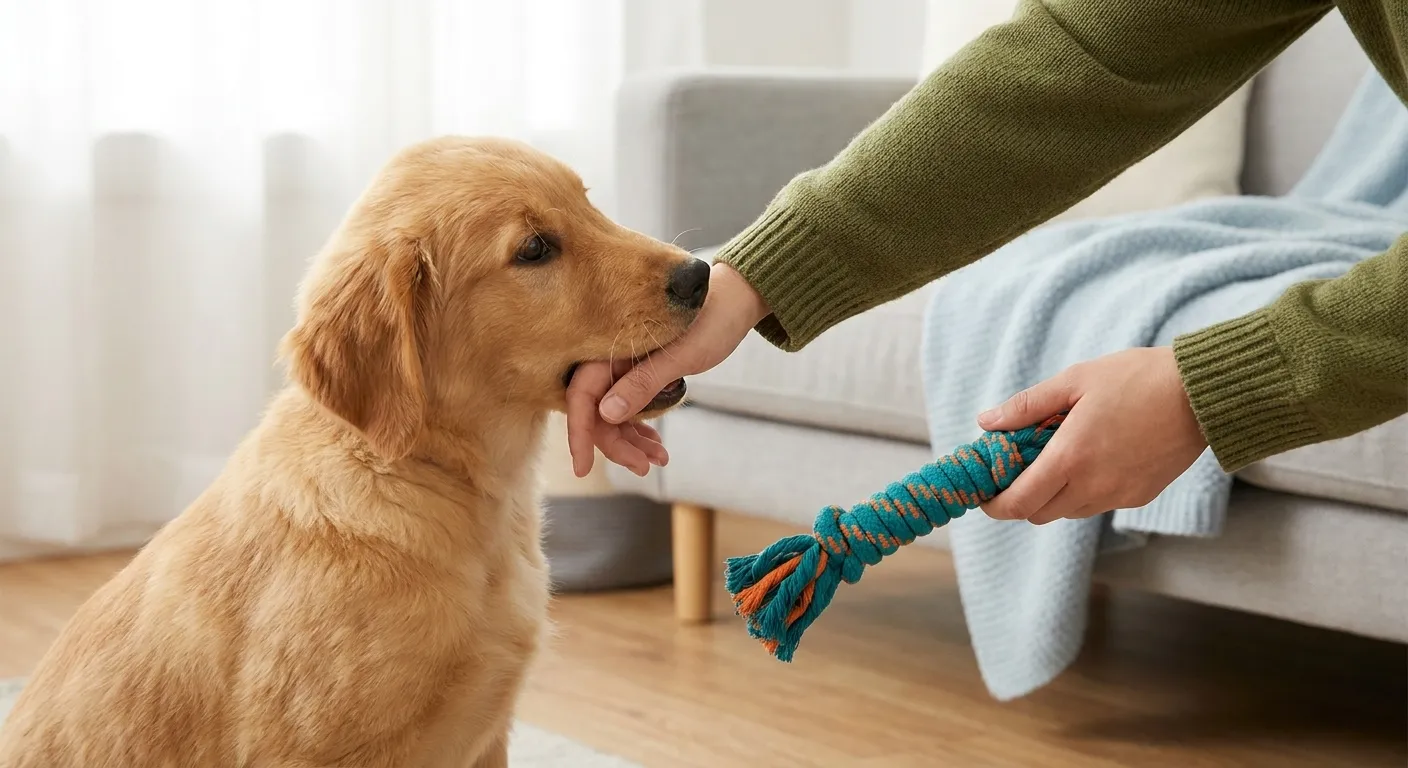
Puppy biting nipping is the focus of this guide. Puppy biting and nipping can be a common, albeit frustrating, phase for new dog owners. It’s a natural part of puppy development, but understanding why it happens and how to manage it gently is crucial for both your sanity and your puppy’s learning. Puppies explore the world with their mouths, and they also learn bite inhibition from their littermates. When they play-bite too hard, a littermate will yelp, teaching them to be softer. As their human, you’re now responsible for continuing that lesson, ensuring your furry friend learns appropriate boundaries.
Why Puppies Engage in Puppy Biting & Nipping
There are several reasons your puppy might be nipping. Teething is a major one; their gums are sore, and chewing provides relief. For instance, a frozen chew toy can offer significant comfort. Play behavior is another; puppies use their mouths to interact and initiate play. They might also be seeking attention or simply overstimulated and overtired. It’s rarely out of malice, but rather an instinctual behavior they need help to channel appropriately. Recognizing the ‘why’ behind the nipping helps you respond with patience and effective strategies. Understanding these motivations is the first step towards a peaceful home.
Gentle Strategies for Redirecting Nipping
When your puppy starts nipping, the key is redirection, not punishment. If your puppy bites your hand, immediately say a firm “ouch!” or “no bite!” and withdraw your hand, ending play for a few seconds. This mimics how a littermate would react. Then, offer a suitable chew toy. This teaches them: ‘Human skin is not for biting, but this toy is!’ Ensure you have a variety of safe, durable chew toys readily available. For attention-seeking nips, turn away completely. When they stop, reward them with attention. Consistency is vital; everyone in the household needs to use the same approach. With patience and consistent redirection, your puppy will learn appropriate mouth manners, growing into a dog that understands gentle play and respectful interaction.
Understanding Puppy Development and Mouthiness
Puppies are born without teeth, but their sharp little puppy teeth emerge quickly, usually between 3 to 6 weeks of age. This initial set of teeth is very different from the adult teeth that will follow. During this stage, puppies naturally use their mouths to explore their environment, much like human babies use their hands. Consequently, this leads to a lot of puppy biting and nipping. They learn about textures, pressure, and their surroundings through their mouths. This exploratory behavior is normal, but it needs careful guidance.
Moreover, puppies learn bite inhibition from their littermates and mother. When a puppy bites too hard during play, another puppy will yelp, causing the play to stop. This teaches the biting puppy that excessive pressure ends the fun. Similarly, their mother might give a corrective nip or growl. When you bring a puppy home, you become their primary teacher for these crucial lessons. Therefore, it’s essential to mimic these natural learning processes in a way they can understand.
The Teething Phase: A Major Cause of Nipping
One of the most significant reasons for increased puppy biting and nipping is teething. Just like human babies, puppies experience discomfort as their adult teeth push through their gums. This process typically begins around 3-4 months of age and can last until they are 6-7 months old. During this time, puppies have a strong urge to chew on anything and everything to relieve the soreness and pressure in their mouths. Providing appropriate chew toys is absolutely essential during this period. Without suitable outlets, your furniture, shoes, or even your hands might become the target.
To help alleviate teething discomfort, consider offering a variety of textures in chew toys. For example, some puppies prefer softer rubber toys, while others enjoy harder nylabones or even frozen treats. You can also freeze a wet washcloth for your puppy to chew on; the cold can be very soothing. Furthermore, ensure these toys are safe and durable, as outlined in our guide on Safe Durable Dog Toys. Choosing the right toys can make a big difference in managing the puppy biting and nipping phase.
Play Behavior and Overstimulation
Puppies often engage in play biting as a way to interact with you and initiate play. They haven’t yet learned that human skin is delicate. When puppies play with each other, they wrestle, chase, and mouth each other. This is how they learn social cues and boundaries. However, when they play with humans, this natural behavior needs to be redirected. Furthermore, an overstimulated or overtired puppy is much more likely to resort to nipping. Imagine a toddler who is past their naptime – they often become cranky and prone to acting out. Puppies are no different.
Recognizing the signs of overstimulation or fatigue is crucial. These might include frantic running, excessive barking, or ignoring commands. In such cases, a ‘time-out’ in a quiet, safe space like their crate can be very effective. This allows them to decompress and rest, often reducing unwanted puppy biting and nipping. Moreover, ensuring your puppy gets enough quality sleep is just as important as consistent training. A well-rested puppy is generally a happier and less mouthy puppy.
Effective Techniques to Manage Puppy Biting and Nipping
Managing puppy biting and nipping requires a consistent and patient approach. The goal is to teach your puppy that human skin is off-limits for biting, while appropriate chew toys are always welcome. Here are some proven techniques:
1. The “Yelp and Withdraw” Method
This method mimics how a littermate would react. When your puppy’s teeth touch your skin, even gently, let out a high-pitched “ouch!” or “yelp!” immediately. Then, withdraw your hand or body part and completely ignore your puppy for 10-20 seconds. This teaches them that biting too hard (or at all) makes the fun stop. If they continue to nip after you return, repeat the process. This consistent feedback helps them understand the consequence of their actions. Indeed, this is a cornerstone of teaching bite inhibition.
2. Redirect to Appropriate Chew Toys
Always have a variety of safe and appealing chew toys nearby. The moment your puppy starts to nip at you, redirect their attention to a suitable toy. Say “no bite” or “toy!” and gently guide their mouth to the toy. When they start chewing on the toy, praise them enthusiastically. This teaches them what they can chew on. Regularly rotating toys can keep them interesting and prevent boredom. For helpful advice on choosing the best options, explore our article on Durable Dog Toys Safety.
3. Implement Short “Time-Outs”
If your puppy is particularly persistent with their puppy biting and nipping, or if they become overly excited and won’t respond to redirection, a short time-out can be effective. Simply remove yourself from the situation by stepping into another room for a minute or two, or place your puppy in their crate for a brief period. This teaches them that overly enthusiastic or painful play results in the loss of your attention, which is a powerful motivator for puppies. Always keep time-outs short and calm, not as a punishment but as a reset.
4. Supervised Socialization
Socialization with other well-behaved, vaccinated puppies and adult dogs can be incredibly beneficial. Other dogs will teach your puppy appropriate play manners and bite inhibition more effectively than you ever could. They will communicate when a bite is too hard, which reinforces your training. However, ensure these interactions are always supervised and positive. Our guide on How to Socialize Your Puppy Safely and Effectively offers excellent advice on this topic.
5. Incorporate Training and Mental Stimulation
A tired puppy is a good puppy! Mental stimulation can be just as tiring as physical exercise. Engage your puppy in short, positive training sessions using basic commands like “sit” and “stay.” This not only builds a stronger bond but also provides an outlet for their energy and focus. Teaching your dog basic commands can significantly improve their overall behavior, including reducing unwanted puppy biting and nipping. Find valuable tips in our article about Teaching Your Dog Basic Commands.
6. Address Overstimulation and Overtiredness
As mentioned, an overstimulated or overtired puppy is often a mouthy puppy. Establish a consistent routine that includes adequate rest periods. Puppies, especially young ones, need a lot of sleep – often 18-20 hours a day. If your puppy starts to get zoomies, become frantic, or ignores your cues, it might be time for a nap. Gently guide them to their crate or a quiet resting spot. Preventing overtiredness can significantly reduce instances of puppy biting and nipping.
Consistency and Patience: Your Best Tools
Training a puppy takes time, patience, and consistency. Every member of the household must use the same methods and commands to avoid confusing your puppy. If one person allows nipping and another discourages it, your puppy will struggle to understand the rules. Therefore, ensure everyone is on the same page. Furthermore, remember that puppies are learning creatures; they won’t get it right every time. There will be setbacks, but staying calm and consistent will yield the best results in the long run.
Avoid physical punishment, yelling, or harsh methods. These can damage your bond with your puppy, cause fear, and potentially lead to more aggressive behaviors down the line. Positive reinforcement, rewarding desired behaviors, is always the most effective and humane approach. Celebrate small victories, like when your puppy chooses a toy over your hand. This positive feedback reinforces good choices and encourages them to repeat those behaviors.
When to Seek Professional Help
While puppy biting and nipping is a normal part of development, there are times when it might escalate beyond typical puppy behavior. If your puppy’s bites are consistently breaking the skin, if they show signs of aggression (growling, snarling, stiff body language) beyond typical play, or if you feel overwhelmed and unable to manage the behavior on your own, it’s wise to seek professional help. A certified professional dog trainer or a veterinary behaviorist can assess your specific situation and provide tailored guidance. They can help identify underlying issues and develop a comprehensive training plan to address excessive mouthiness or aggression. For instance, sometimes a puppy might have medical issues contributing to their behavior, which a vet can rule out. Reputable organizations like the Association of Professional Dog Trainers can help you find a qualified professional in your area. Additionally, the American Veterinary Society of Animal Behavior offers resources on finding veterinary behaviorists.
Conclusion: Enjoying Your Well-Mannered Companion
Puppy biting and nipping is a temporary phase, and with the right approach, it can be managed effectively. By understanding why your puppy nips, implementing gentle redirection techniques, providing appropriate outlets for chewing, and maintaining consistency, you can guide your puppy to develop excellent mouth manners. Remember that patience and positive reinforcement are your greatest allies in this journey. Soon enough, those sharp puppy teeth will be replaced by adult teeth, and your well-trained companion will understand how to interact gently and respectfully. Embrace this training period as an opportunity to build a strong, trusting bond with your new family member, setting them up for a lifetime of positive interactions.
Frequently Asked Questions About Puppy Biting and Nipping
Why does my puppy constantly bite my hands?
Puppies often bite hands for several reasons: they’re exploring their world with their mouths, they might be teething and seeking relief for sore gums, or they could be trying to initiate play or get your attention. It’s a natural behavior that needs redirection.
How long does the puppy biting phase usually last?
The intense phase of puppy biting and nipping typically lasts until around 4-6 months of age, when most of their adult teeth have come in. However, bite inhibition training should continue beyond this, ensuring they learn to be gentle even as adults.
What kind of toys are best for a puppy who loves to chew?
Look for durable, safe chew toys made from rubber or nylon. Consider toys that can be frozen for teething relief. Variety is key to keeping your puppy engaged. Always ensure toys are appropriately sized to prevent choking hazards.
Is it okay to let my puppy mouth my hands gently?
While some owners tolerate gentle mouthing, it’s generally best to teach your puppy that human skin is always off-limits. This prevents confusion and ensures they understand boundaries, especially as they grow and their bites become stronger. Consistent redirection is crucial.
My puppy gets more bitey when excited. What should I do?
When your puppy gets over-excited and starts to bite, it’s often a sign they’re overstimulated or overtired. Implement a short “time-out” by calmly removing yourself or placing them in their crate for a few minutes to help them settle down. Then, re-engage with calm play or a chew toy.