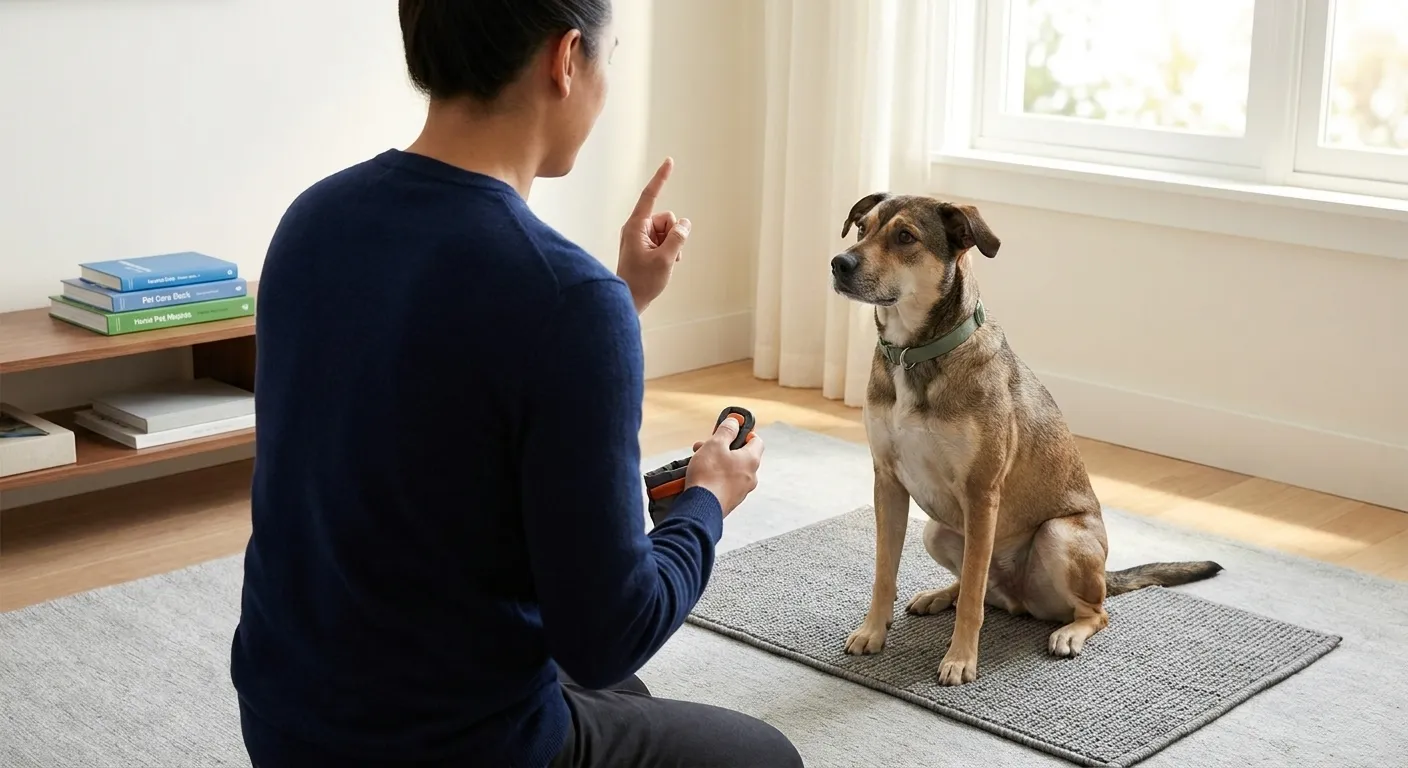
Is your furry friend’s barking becoming a little too much? You’re not alone! Many dog owners, especially new puppy parents, find themselves wondering how to effectively Stop Dog Barking. While barking is a natural form of communication for dogs, excessive barking can be disruptive for both you and your neighbors. The good news is that with a little understanding and consistent effort, you can teach your dog to bark less and communicate in more appropriate ways. Let’s dive into some practical, empathetic strategies to bring more peace and quiet into your home.
Understanding Why Your Dog Barks
Before you can effectively Stop Dog Barking, it’s crucial to understand why your dog is barking. Dogs bark for various reasons: to alert you to something, out of boredom, seeking attention, fear, anxiety, or even excitement. For instance, a dog might bark at the mail carrier (alert barking), or continually bark when left alone (separation anxiety). Observing the context of their barking will give you vital clues. Is it only when they see other dogs? When a specific noise occurs? Or when they want to play? Pinpointing the trigger is the first step towards finding the right solution. For a new puppy owner like Sarah, identifying these early patterns is key to preventing long-term habits.
Practical Steps to Reduce Excessive Barking
Once you’ve identified the trigger, you can implement targeted strategies. If your dog is barking for attention, avoid rewarding the barking with cuddles or treats; instead, wait for a moment of silence before engaging. For boredom barking, increase physical exercise and mental stimulation with puzzle toys. If your dog barks at outside stimuli, try managing their environment by closing curtains or using a white noise machine. Consistency is paramount. Everyone in the household needs to be on the same page with the training methods. Positive reinforcement, like rewarding calm behavior with a small, healthy treat or praise, is much more effective than punishment, which can often increase anxiety and make the problem worse. Remember, patience and understanding are your best tools in helping your dog learn new, quieter habits.
Identifying Common Barking Triggers
Understanding the specific reasons behind your dog’s vocal outbursts is fundamental to managing the behavior. Dogs communicate through barking, and each type often has a distinct motivation. For example, some dogs bark to alert you to perceived threats, like a stranger at the door or another animal outside. This is known as alert barking. Other dogs might bark incessantly when left alone, indicating separation anxiety. This can be particularly challenging for owners, as the barking often only occurs when they are not present.
Furthermore, boredom can be a significant factor. A dog lacking sufficient physical exercise or mental stimulation may resort to barking as a way to release pent-up energy. Similarly, dogs might bark to seek attention. If they learn that barking leads to you looking at them, talking to them, or giving them a treat, they will continue the behavior. Fear and anxiety also manifest as barking, particularly in new or stressful situations. By carefully observing when and where your dog barks, you can start to piece together the underlying cause. For instance, if your dog only barks at the window when squirrels are present, you know the trigger is visual stimulation from outside.
Effective Training Techniques to Stop Dog Barking
Once you’ve pinpointed the trigger, you can apply specific training techniques. For attention-seeking barking, the key is to ignore the barking completely. Turn your back, walk away, or leave the room. Only give attention when your dog is quiet. This teaches them that silence is what earns your interaction, not noise. This method requires a lot of patience, but it is highly effective in teaching your dog to cease barking for attention.
For alert barking, where your dog barks at things outside, managing their environment is crucial. Close blinds or curtains to block their view of triggers. You might also try using a white noise machine or playing calming music to mask external sounds. Additionally, teach your dog a ‘quiet’ command. When they bark, say ‘quiet’ firmly. Once they stop, even for a second, reward them with a treat and praise. Gradually increase the time they must remain quiet before receiving a reward.
Addressing boredom barking involves increasing your dog’s daily activity. Ensure they get enough walks, playtime, and mental challenges. Interactive toys and puzzle feeders can keep their minds engaged, reducing the likelihood of boredom-induced barking. For dogs with separation anxiety, a multi-faceted approach is often necessary. This might include gradual desensitization to your departure, creating a safe and comfortable space for them, and potentially consulting with a professional dog trainer or veterinary behaviorist. Remember, consistency is vital across all these methods to help your dog learn to reduce barking.
Another common barking scenario is excitement barking, often seen when visitors arrive or during playtime. To manage this, teach your dog an alternative behavior, such as ‘sit’ or ‘go to your mat,’ when they get excited. Reward them for performing this calm behavior instead of barking. This helps them learn to channel their excitement in a more appropriate way. Furthermore, early socialization for puppies can significantly help prevent fear-based barking later in life, as they learn to be comfortable in various situations and around different people and animals.
Utilizing Tools and Resources to Help Stop Dog Barking
While training is the cornerstone of managing excessive barking, certain tools and resources can support your efforts. For some dogs, especially those with severe barking issues, a bark control device might be considered. These devices range from citronella collars, which emit a harmless spray, to ultrasonic devices that produce a sound only dogs can hear. It’s important to research these options thoroughly and choose one that is humane and appropriate for your dog’s temperament. Always use such tools as part of a broader training plan, not as a standalone solution.
Moreover, enriching your dog’s environment can significantly reduce boredom and anxiety, both common causes of barking. Providing a variety of chew toys and engaging activities can keep them occupied. Consider rotating toys to maintain novelty and interest. Regular exercise is also non-negotiable. A tired dog is often a quiet dog. Daily walks, runs, or play sessions in a secure yard can burn off excess energy and reduce the urge to bark out of restlessness.
For persistent or severe barking problems, consulting with a certified professional dog trainer or a veterinary behaviorist can provide tailored strategies. These experts can assess your dog’s specific situation, identify complex triggers, and develop a personalized training plan. They can also rule out any underlying medical conditions that might be contributing to the barking. Websites like the ASPCA and the Humane Society offer valuable resources and articles on dog behavior and training, which can further empower you with knowledge. Remember, the goal is to foster a calm and happy environment for everyone in the household.
The Importance of Consistency and Patience When You Stop Dog Barking
When you embark on the journey to reduce dog barking, consistency and patience are your most powerful allies. Dog training, especially behavior modification, is not an overnight process. It requires daily effort and a unified approach from everyone in the household. If one person allows barking for attention while another ignores it, your dog will receive mixed signals, making the learning process much slower and more confusing. Therefore, ensure all family members understand and apply the chosen strategies consistently.
Furthermore, setbacks are a normal part of any training process. There will be days when your dog seems to revert to old habits, or when new triggers emerge. Do not get discouraged. Instead, view these as opportunities to refine your approach and reinforce the desired behaviors. Keep a positive attitude and celebrate small victories. Every moment of quiet, every successful ‘quiet’ command, is a step in the right direction. Remember that your dog is learning a new way to interact with the world, and that takes time and understanding from your side. Helping your dog to Stop Dog Barking effectively will create a more harmonious home for everyone.
By understanding the root cause and applying consistent, positive training methods, you can significantly reduce excessive barking. It takes time and dedication, but the reward of a calmer, happier home environment is well worth the effort. Doggy Stuff Shop is here to support you with resources and products to make this journey smoother. Explore our Blog for more helpful tips and advice on dog care and training.
FAQ
How can I reduce my dog’s vocal habits?
To reduce your dog’s vocal habits, first identify the reason for their barking. Common causes include boredom, attention-seeking, anxiety, or alerting. Once you know the trigger, you can use targeted training like ignoring attention-seeking barks, increasing exercise for boredom, or managing environmental stimuli. Consistency and positive reinforcement are key.
What are some effective ways to quiet a noisy canine?
Effective ways to quiet a noisy canine include teaching a ‘quiet’ command, ensuring adequate physical and mental stimulation, managing their environment to reduce triggers (e.g., closing curtains), and avoiding rewarding barking with attention. For persistent issues, professional guidance might be beneficial.
Why does my dog bark excessively, and what can I do?
Dogs bark excessively for many reasons, such as boredom, fear, separation anxiety, territorial instincts, or seeking attention. To address this, observe the context of the barking to find the cause. Then, implement specific training techniques, environmental management, and ensure your dog has enough exercise and mental engagement.
Are there tools that can help with my dog’s loud vocalizations?
Yes, some tools can assist with loud vocalizations, but they should always be used as part of a comprehensive training plan. These can include puzzle toys for mental stimulation, white noise machines to block external sounds, and in some cases, humane bark control devices. Always consult with a professional before using any advanced tools.
How can I train my puppy to be less vocal?
To train your puppy to be less vocal, start early with positive reinforcement. Teach them a ‘quiet’ command from a young age, ensure they are well-socialized, provide plenty of appropriate chew and puzzle toys, and establish a consistent routine. Avoid inadvertently rewarding barking with attention.