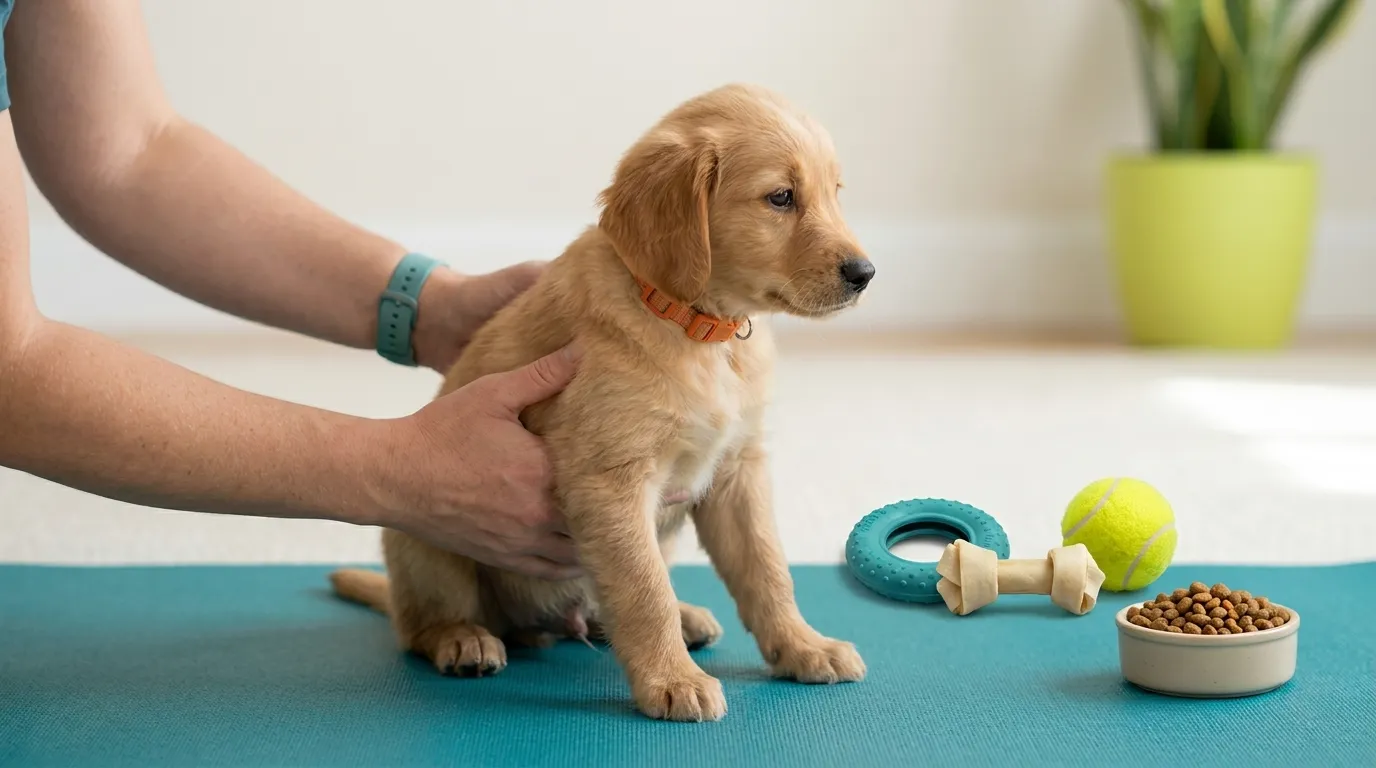
Welcoming a new puppy like Max into your home is an incredibly exciting time, Sarah! However, amidst the joy, you might feel a bit overwhelmed by all the advice out there, especially when it comes to socialization. You want to make the “right” choices for Max, ensuring he grows into a well-adjusted, happy dog. That’s where understanding the puppy socialization window comes in – it’s a critical period that shapes your puppy’s view of the world.
At Doggy Stuff Shop, we believe in empowering everyday dog owners with clear, trustworthy information. We know you’re a savvy new dog mom, and you’re looking for practical, evidence-based guidance. Let’s demystify this crucial developmental stage and give you an actionable blueprint for success.
Why This Early Window is So Critical
Think of your puppy’s brain during weeks 3-14 as a super sponge, soaking up every experience and forming foundational impressions that last a lifetime. This isn’t just a casual recommendation; it’s a biological imperative. Experts, including veterinarians and animal behaviorists, consistently emphasize the critical socialization window from 3 to 14 weeks. The period between 8-12 weeks is particularly receptive, and there’s a biological urgency associated with the 16-week imprinting window, after which puppies become much more cautious and resistant to new experiences.
During this time, positive exposure to new sights, sounds, smells, people, and other animals helps your puppy develop confidence and resilience. Without it, puppies are significantly more prone to developing fear, anxiety, and even aggression later in life. A 2025 study from Sardinia, for instance, indicated that puppies adopted at ≤1 or ≤2 months showed higher levels of fear, anxiety, and attachment/attention-seeking behaviors, underscoring the importance of appropriate adoption timing and subsequent early experiences for optimal development. This research highlights the profound impact of early experiences.
Understanding the Puppy Socialization Window
The puppy socialization window is essentially a sensitive period where your puppy is most open to new experiences without developing fear. Here’s a quick breakdown:
- Weeks 3-5: Primarily with the mother and littermates. During this time, puppies learn bite inhibition and basic dog communication. Early, gentle human handling is key here.
- Weeks 5-7: Continued learning from littermates and more exploration. Introduction to different surfaces, sounds, and gentle handling by various people is beneficial.
- Weeks 8-12: This is the peak of the socialization period. Consequently, you play a pivotal role. Your puppy is highly impressionable and forming strong associations with the world around them. This is the prime time for positive, controlled introductions to new things.
- Weeks 12-16: Still crucial, but puppies may start to enter a “fear period” where they become more wary. Positive experiences during this time can help them overcome new anxieties.
Safe Socialization Strategies During the Puppy Socialization Window
Now that you understand the importance of the puppy’s sensitive period, let’s talk about how to socialize your puppy safely and effectively. It’s crucial to prioritize your puppy’s health. Always ensure your puppy has received their initial vaccinations and your vet has given the go-ahead before exposing them to other dogs or public places. Furthermore, always choose environments where you can control the interactions.
Controlled Exposure to New People
Introduce your puppy to a variety of people of different ages, genders, and appearances (wearing hats, glasses, etc.). Ask friends and family to gently interact with your puppy, offering treats and calm praise. For example, have them sit on the floor and let your puppy approach them at their own pace. Avoid overwhelming your puppy with too many new faces at once. Gradually, your puppy will learn that new people are nothing to fear.
Positive Interactions with Other Dogs
Finding well-socialized, vaccinated adult dogs for your puppy to interact with is invaluable. These interactions should always be supervised and positive. Puppy classes are an excellent option for this, providing a safe and structured environment for play. Alternatively, arrange playdates with trusted friends’ dogs. Watch for signs of stress in your puppy, such as tail tucked, ears back, or hiding. If your puppy seems uncomfortable, remove them from the situation calmly. You can find more detailed advice on this topic in our guide: How to Socialize Your Puppy Safely and Effectively.
Exploring New Sights, Sounds, and Smells
The world is full of new experiences for a puppy! Expose your puppy to everyday sounds like vacuum cleaners, doorbells, and traffic noise at a low volume initially, gradually increasing it. Take them on short, positive car rides. Introduce them to different surfaces, such as grass, concrete, carpet, and even gentle steps. Always pair these new experiences with treats and praise to create positive associations. Remember, the goal is exposure, not immersion. Start small and build up.
Handling and Grooming for a Lifetime of Comfort
Regular, gentle handling of your puppy’s paws, ears, mouth, and tail from an early age is vital. This prepares them for vet visits and grooming sessions, making these experiences less stressful for both of you. Make it a positive experience by offering treats and praise. Furthermore, introduce them to grooming tools like a soft brush or nail clippers in a non-threatening way. For more tips on grooming, check out our guide: Essential Dog Grooming Tools for Home Use: A Beginner’s Guide.
Enrichment and Play During the Formative Months
Beyond structured socialization, providing plenty of enrichment and play opportunities is crucial. Interactive toys, puzzle feeders, and short training sessions help build confidence and mental stimulation. Play is also an excellent way to bond with your puppy and reinforce positive behaviors. Consider exploring our selection of Safe Durable Dog Toys: A New Dog Parent’s Guide to Smart Playtime Choices to ensure you’re providing appropriate and safe options. This supports their overall development during the critical puppy socialization period.
Common Socialization Mistakes to Avoid
Even with the best intentions, it’s easy to make mistakes during this sensitive period. Being aware of these pitfalls can help you navigate the puppy socialization window successfully.
- Overwhelming Your Puppy: Too much, too soon can be detrimental. A puppy that is forced into an uncomfortable situation may become fearful or reactive. Always observe your puppy’s body language.
- Negative Experiences: One bad experience, especially during a fear period, can have a lasting impact. Always prioritize positive, controlled interactions. If an interaction turns sour, end it immediately and try again later in a different context.
- Waiting Too Long: The window closes quickly! While some socialization can occur later, the prime time for fear-free learning is limited. Don’t delay starting your socialization efforts.
- Exposing Unvaccinated Puppies to Risky Environments: This is a serious health risk. Always follow your vet’s advice regarding vaccinations and safe exposure.
- Ignoring Fear Signals: If your puppy is showing signs of fear (cowering, growling, trying to escape), do not force them to stay in the situation. This will only increase their anxiety.
Beyond the Puppy Socialization Window: Continued Development
While the initial socialization period is critical, socialization is an ongoing process throughout your dog’s life. After the puppy socialization window closes, your dog will still benefit from continued exposure to new experiences, people, and dogs. The difference is that after 16 weeks, new experiences might require more patience and positive reinforcement to build confidence, rather than being absorbed with innate curiosity.
Regular walks in different environments, continued positive interactions with various people, and supervised playdates with friendly dogs will help maintain your dog’s confidence and adaptability. Furthermore, consider enrolling in obedience classes. These classes offer continued opportunities for your dog to learn and interact in a structured setting. They also strengthen your bond and communication. For instance, learning Teaching Your Dog Basic Commands: Sit, Stay, and Come is a great next step.
The Role of Training and Positive Reinforcement
Throughout the puppy socialization period and beyond, positive reinforcement training is your most powerful tool. Rewarding desired behaviors with treats, praise, and toys helps your puppy understand what you want them to do and builds a strong, trusting relationship between you. This is especially important when introducing new things. For example, if your puppy calmly observes a new person, reward them. If they get startled by a loud noise, distract them with a treat and cheerful words. This approach fosters a positive association with potentially scary things.
Consistency is key. Everyone in the household should use the same commands and reward system. This prevents confusion for your puppy. Moreover, keep training sessions short, fun, and frequent. A few minutes several times a day is more effective than one long, tedious session. Remember, you are building a foundation for a lifetime of good behavior and confidence. The American Veterinary Society of Animal Behavior (AVSAB) strongly supports early puppy socialization, emphasizing that the benefits far outweigh the risks of disease when proper precautions are taken. You can learn more about their position statement on early puppy socialization here.
Choosing the Right Products to Support Socialization
At Doggy Stuff Shop, we understand that having the right gear can make socialization easier and safer. When taking your puppy out for their first adventures, a comfortable, well-fitting harness and leash are essential. This ensures you have control while keeping your puppy safe. Our guide on Understanding Dog Leashes and Collars: Making the Right Choice can help you pick the perfect set. Additionally, having a variety of high-value treats on hand is crucial for positive reinforcement during new experiences. These treats should be small, easily digestible, and highly motivating for your puppy.
Furthermore, a comfortable and secure carrier can be invaluable for transporting your puppy safely to new environments, such as the vet or puppy classes. This provides a safe haven for them. Lastly, durable and engaging toys can serve as excellent distractions and rewards during the socialization process, helping to redirect attention and create positive associations. Explore our range of durable dog toys for options that are both safe and stimulating. The right tools truly make a difference in your journey to a well-adjusted companion.
Conclusion: Raising a Confident Companion
Understanding and actively participating in your puppy’s socialization period is one of the most important things you can do as a dog owner. By providing positive, controlled experiences during the crucial puppy socialization window, you are laying the groundwork for a confident, adaptable, and happy dog. Remember to be patient, observe your puppy’s cues, and always prioritize their safety and well-being. The effort you put in now will pay dividends for years to come, resulting in a cherished companion who can navigate the world with ease and joy. At Doggy Stuff Shop, we are here to support you every step of the way with reliable products and expert advice. You’ve got this, Sarah!
FAQ
What is the most important time for puppy development?
The most important period for a puppy’s development and learning about the world is generally considered to be from 3 to 14 weeks of age. During these weeks, puppies are highly receptive to new experiences and form lasting impressions.
How long does the primary socialization period for puppies last?
The primary socialization period, also known as the sensitive period, typically lasts from about 3 weeks to 14-16 weeks of age. However, the peak receptiveness is often between 8 and 12 weeks.
What happens if a puppy is not socialized early enough?
If a puppy misses out on crucial early exposure, they are more likely to develop fear, anxiety, and behavioral problems later in life. They may become wary of new people, environments, or other dogs.
Can you socialize an older puppy or adult dog?
While the critical period for socialization closes around 14-16 weeks, you can absolutely continue to socialize an older puppy or adult dog. It may require more patience and positive reinforcement, but it’s never too late to introduce new, positive experiences.
What are some safe ways to introduce my puppy to new things?
Safe ways include enrolling in puppy classes, arranging playdates with vaccinated, friendly dogs, exposing them to various sights and sounds in a controlled manner, and having different people gently interact with them. Always use treats and praise to create positive associations, and prioritize your puppy’s comfort and health.