Just like humans, dogs need consistent dental care to maintain their overall health. Often overlooked, dog dental health tips are crucial for preventing a myriad of problems that can impact your dog’s quality of life. Poor oral hygiene can lead to more than just bad breath; furthermore, it can cause painful infections, tooth loss, and even contribute to serious systemic health issues affecting the heart, kidneys, and liver. As a savvy dog owner, understanding the importance of your dog’s pearly whites is key to their long-term well-being. Therefore, prioritizing their oral hygiene is a fundamental aspect of responsible pet ownership.
Recognizing Signs of Dental Problems
Many dogs are masters at hiding pain. Therefore, it’s important to be vigilant for subtle signs of dental issues. Common indicators include bad breath (halitosis), yellow or brown tartar buildup on teeth, and red, swollen, or bleeding gums. Additionally, excessive drooling, difficulty eating, or reluctance to chew hard food/toys are red flags. You might also notice your dog pawing at their mouth, or experiencing changes in appetite or behavior. If you observe any of these symptoms, it’s essential to consult your veterinarian promptly. Early detection and intervention can prevent more severe and costly problems down the line. Proactive use of effective dog dental care practices can help avoid these issues.
At-Home Dental Care Strategies
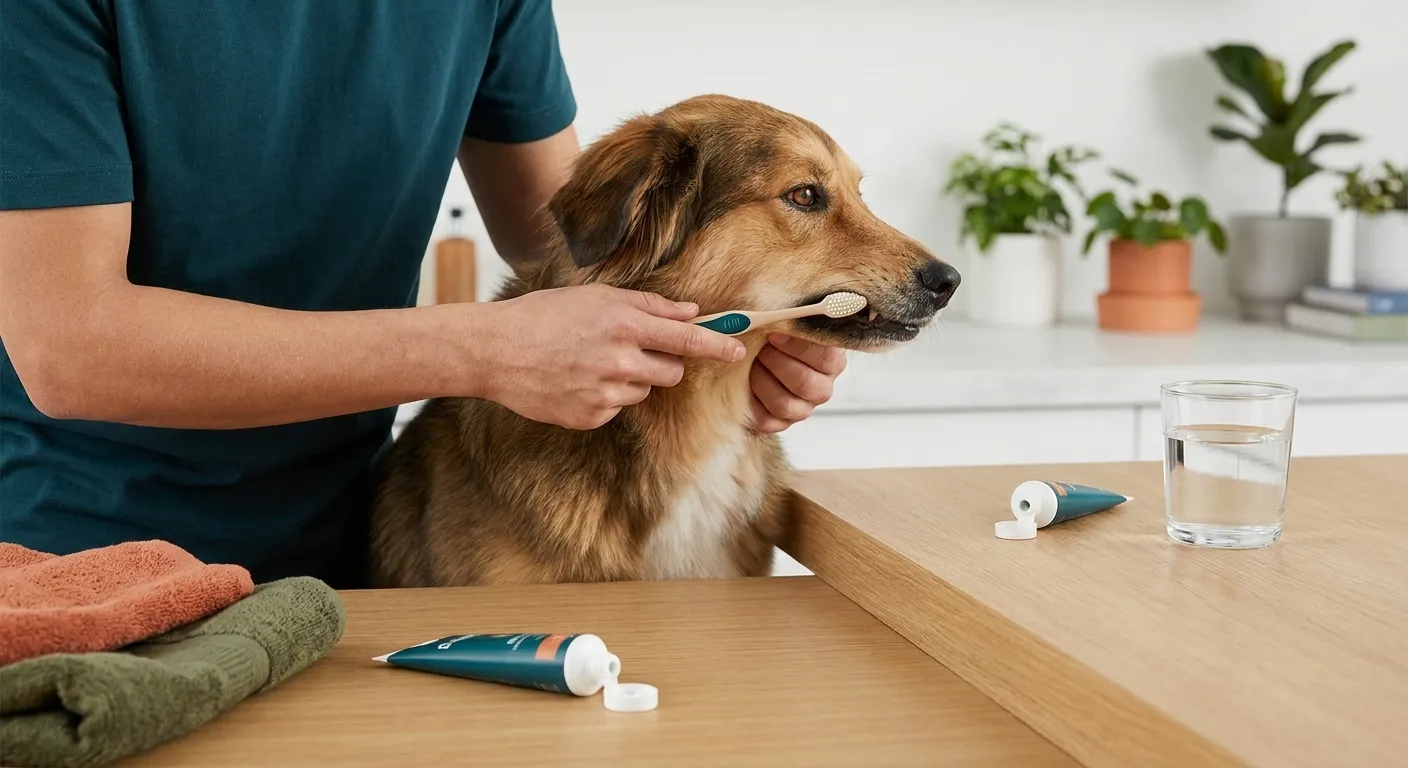
The most effective way to maintain your dog’s dental health is regular tooth brushing. Ideally, brush your dog’s teeth daily using a dog-specific toothpaste and a dog toothbrush or finger brush. Never use human toothpaste, as it contains xylitol, which is harmful to dogs. Start slowly and make it a positive experience with treats and praise. For instance, a short, gentle session followed by a reward can build a good routine. Dental chews and toys specifically designed to reduce plaque and tartar can also be beneficial. However, they are generally supplementary, not a replacement for brushing. In addition, some dental diets are formulated to help clean teeth as your dog eats. Always discuss the best at-home dental care routine with your veterinarian, who can also recommend professional dental cleanings under anesthesia when necessary. Incorporating these dog dental health tips into your routine will make a significant difference in your pet’s well-being.
Understanding the Impact of Poor Oral Hygiene
Poor oral hygiene in dogs extends far beyond just unpleasant breath. In fact, it’s a gateway to several serious health complications. The accumulation of plaque and tartar on teeth can lead to gingivitis, which is inflammation of the gums. Left untreated, this can progress to periodontal disease, a more severe infection that damages the tissues supporting the teeth. Consequently, teeth can loosen and eventually fall out, causing significant pain and difficulty eating. Moreover, the bacteria from severe dental infections can enter the bloodstream through inflamed gums. This can then travel to vital organs like the heart, kidneys, and liver, potentially leading to life-threatening conditions. Therefore, consistent attention to your dog’s oral care is not just about fresh breath; it’s about protecting their entire body. For more insights on overall health, consider reading about Why Regular Vet Check-ups Matter for Your Dog’s Lifelong Health.
Preventative Measures: Beyond Brushing
While daily brushing is the cornerstone of good dental hygiene, other preventative measures can further support your dog’s oral health. Firstly, choose appropriate safe dog toys. Some toys are specifically designed with textures that help scrape away plaque as your dog chews. Ensure these toys are durable and sized correctly to prevent choking hazards or tooth damage. Secondly, consider dental-specific treats. When choosing healthy dog treats, look for those with the Veterinary Oral Health Council (VOHC) seal of acceptance. This seal indicates that the product has met standards for reducing plaque and/or tartar. Thirdly, water additives can be a helpful, easy addition to your dog’s routine. These products are simply added to your dog’s drinking water and can help reduce bacteria in the mouth. Always consult your vet before introducing any new dental products to ensure they are safe and appropriate for your dog. These dog dental health tips offer a multi-faceted approach to prevention.
Professional Dental Cleanings: When and Why
Even with diligent at-home care, many dogs will eventually need professional dental cleanings. Your veterinarian will typically recommend these cleanings based on your dog’s age, breed, and the current state of their oral health. A professional cleaning involves a thorough examination, scaling (removing plaque and tartar from above and below the gum line), and polishing of the teeth, all performed under general anesthesia. Anesthesia ensures your dog is comfortable, still, and pain-free throughout the procedure, allowing the vet to perform a comprehensive cleaning and identify any hidden issues. This procedure is crucial because it addresses plaque and tartar buildup that cannot be removed by brushing alone, especially below the gum line where periodontal disease often begins. Furthermore, your vet can take X-rays to assess the health of the tooth roots and jawbone, identifying problems like abscesses or impacted teeth that are not visible during a conscious oral exam. Consequently, these professional interventions are a vital part of a complete oral health strategy, reinforcing the value of comprehensive dog dental health tips.
Making Dental Care a Positive Experience
Introducing dental care to your dog, especially brushing, should always be a positive experience. Start early, ideally when your dog is a puppy, to help them get accustomed to having their mouth handled. Begin with short sessions, perhaps just rubbing your finger along their gums with a little dog toothpaste. Gradually introduce the toothbrush. Always use positive reinforcement, such as praise, gentle petting, and their favorite healthy dog treats. If your dog resists, don’t force it. Instead, take a break and try again later, or try a different approach. Some dogs may prefer a finger brush over a traditional toothbrush, or a flavored toothpaste might make the experience more enjoyable. The goal is to build trust and associate dental care with pleasant outcomes. Remember, consistency is key, but so is patience and understanding your dog’s comfort level. This approach makes implementing dog dental health tips much easier for both of you.
Addressing Specific Dental Concerns
Beyond routine care, specific dental concerns might arise that require immediate attention. For example, fractured teeth can occur from chewing on hard objects like bones or antlers. These fractures can expose the sensitive pulp inside the tooth, leading to pain and infection. Similarly, persistent baby teeth (retained deciduous teeth) in puppies can lead to overcrowding and improper adult tooth eruption, necessitating extraction. Furthermore, some breeds are predisposed to certain dental issues. Small breeds, for instance, often have crowded mouths, which can make them more prone to plaque and tartar buildup. Large breeds might be more susceptible to fractured teeth due to their powerful jaws. If you notice any unusual swelling, persistent bleeding, or changes in how your dog chews, it’s important to consult your vet. They can diagnose the issue and recommend the best course of action, which might include extractions, root canals, or other specialized treatments. These scenarios highlight why continuous observation and professional veterinary input are vital components of effective dog dental health tips.
The Link Between Diet and Oral Health
Your dog’s diet plays a significant role in their dental health. While kibble alone isn’t a substitute for brushing, certain dental-specific diets can aid in mechanical cleaning. These diets often feature larger, specially shaped kibble that encourages chewing and helps scrub the tooth surface as your dog eats. Some also contain ingredients designed to reduce plaque formation. However, it’s crucial to understand that not all kibble provides dental benefits. Consequently, if you’re considering a dental diet, discuss it with your veterinarian. They can help you choose a formula that complements your dog’s overall health needs and dental care routine. Conversely, soft, wet foods generally offer no dental cleaning benefits and can sometimes contribute to faster plaque buildup if not accompanied by diligent brushing. For more information on what goes into your dog’s bowl, explore Decoding Dog Food Labels: What Every Owner Needs to Know. Making informed dietary choices is an important part of comprehensive dog dental health tips.
Long-Term Benefits of Excellent Dental Care
Prioritizing your dog’s dental health yields numerous long-term benefits, contributing significantly to their quality of life. Firstly, consistent oral hygiene helps prevent pain and discomfort associated with dental disease. A dog free from toothaches and gum inflammation is a happier, more active companion. Secondly, good dental care can extend your dog’s lifespan by mitigating the risk of systemic diseases linked to oral infections. By preventing bacteria from entering the bloodstream, you protect vital organs. Thirdly, it improves your dog’s breath, making close interactions much more enjoyable for everyone. Fourthly, regular dental checks and cleanings allow for early detection of potential problems, often leading to less invasive and less costly treatments down the road. Finally, a healthy mouth ensures your dog can eat comfortably and maintain proper nutrition. Ultimately, these dog dental health tips empower you to provide a foundation for a healthier, happier life for your beloved pet. You are investing in their overall well-being and ensuring many more years of joyful companionship.
Prioritizing dog dental health is a vital part of responsible pet ownership. By recognizing warning signs and implementing a consistent at-home care routine, you can help ensure your dog enjoys a healthier, happier life free from oral discomfort. Remember, your veterinarian is your best resource for personalized advice and professional care. Don’t hesitate to reach out to them with any concerns about your dog’s teeth and gums. For additional resources and guidance, you can also visit reputable sources like the American Kennel Club’s dental care advice.
FAQ
What are the first signs of dental problems in dogs?
The first signs often include bad breath, yellow or brown buildup on teeth, red or swollen gums, and sometimes excessive drooling. You might also notice a change in eating habits or reluctance to chew.
How often should I brush my dog’s teeth?
Ideally, you should brush your dog’s teeth daily. If daily isn’t possible, aim for at least three times a week to effectively reduce plaque and tartar buildup.
Is human toothpaste safe for dogs?
No, human toothpaste is not safe for dogs. It often contains xylitol, an artificial sweetener that is toxic to dogs. Always use toothpaste specifically formulated for canines.
Can dental chews replace brushing?
While dental chews and treats can help reduce plaque and tartar, they are generally supplementary to brushing, not a replacement. Brushing remains the most effective method for maintaining oral hygiene.
When should my dog have a professional dental cleaning?
The frequency of professional cleanings depends on your dog’s individual needs, breed, and the effectiveness of at-home care. Your veterinarian will advise you on the best schedule, often recommending cleanings every one to three years.