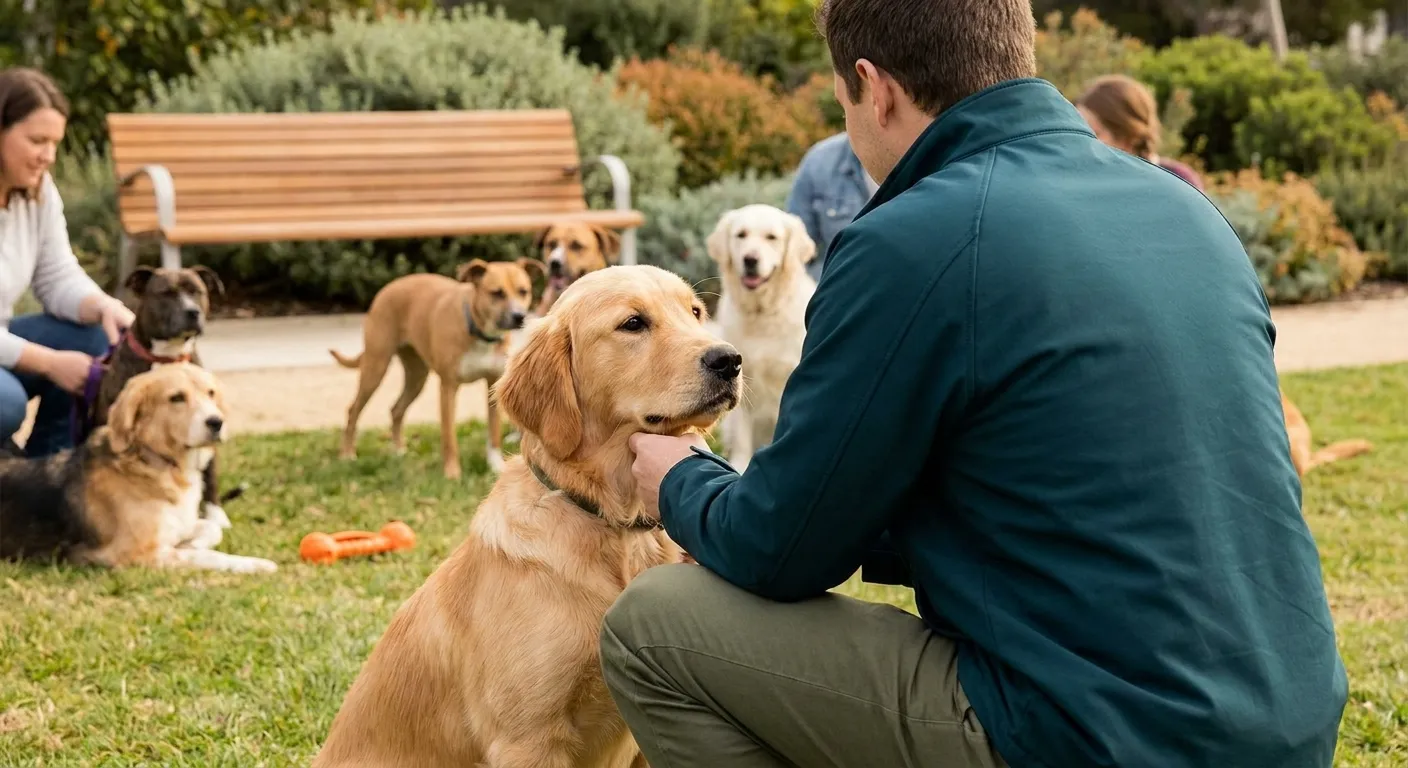
Bringing home a new puppy, like Sarah with her ‘Max,’ is an exciting time, but it can also feel overwhelming. The sheer volume of products and advice out there can make you wonder if you’re making the “right” choices, especially when it comes to early development. One of the most critical aspects of raising a happy, well-adjusted dog is proper socialization. This puppy socialization guide will help new dog parents navigate the crucial early weeks, ensuring their furry friend grows into a confident companion without breaking the bank.
Why Early Puppy Socialization is Non-Negotiable
Experts, including veterinarians and animal behaviorists, consistently emphasize the critical socialization window for puppies, typically from 3 to 14 weeks of age. The period between 8 and 12 weeks is often considered the most receptive, making early exposure during this time non-negotiable for preventing lifelong behavioral issues. There’s a biological urgency associated with the 16-week imprinting window – experiences during this time leave a lasting impression on your pup’s developing brain.
A 2025 study from Sardinia highlighted the importance of appropriate adoption timing, noting that puppies adopted at ≤1 or ≤2 months showed higher levels of fear, anxiety, and attachment/attention-seeking behaviors later on. This research underscores why thoughtful, positive early puppy exposure is so vital. While 100% of pet parents agree socialization is crucial, many express regret over missed opportunities for early experiences with other animals (39%), people (35%), and new environments (29%). We’re here to help you avoid that regret.
It’s not just about letting your puppy “romp around” with other dogs. The understanding of puppy socialization has shifted significantly. The focus is now on structured socialization, teaching your puppy neutrality and focus. This means helping them learn to remain calm and focused on you amidst distractions, seeing the world as interesting but you as their most important element.
Your Actionable Puppy Socialization Guide: Safe & Positive Experiences
The goal is to create positive, controlled experiences that build confidence, not overwhelm. Remember, quality over quantity is key, especially for smarter spenders like Sarah who prioritize value and consistent results.
Introduce New Sights and Sounds Gradually
-
At Home: Expose your puppy to everyday household noises like vacuum cleaners, doorbells, and washing machines. Start with low volume and gradually increase as your puppy shows comfort. Reward calm behavior with small, tasty treats.
-
Outside (Safely): Once your vet clears your puppy for outdoor adventures, take them to places where they can observe the world from a safe distance. Think park benches, quiet street corners, or even just sitting in your car with the window slightly open. Let them see people, bikes, and other dogs without direct interaction. This helps them process new stimuli without feeling pressured.
Controlled Interactions with People
Introduce your puppy to a variety of people: men, women, children, people wearing hats, and those with different gaits. Always ensure these interactions are positive and calm. Ask friends and family to offer treats gently, avoiding sudden movements or loud noises. Furthermore, remind everyone that puppies are fragile and need gentle handling. This early exposure helps your puppy develop a positive association with humans of all types.
Positive Encounters with Other Dogs
This is where careful planning is essential. Not all dogs are good socialization partners. Seek out fully vaccinated, calm, and friendly adult dogs known to be good with puppies. Puppy classes are an excellent option for supervised play with other puppies of similar age and vaccination status. However, always prioritize quality interactions over simply letting your puppy play with any dog. A bad experience can be detrimental to their development. For more advice on creating safe interactions, check out our article on How to Socialize Your Puppy Safely and Effectively.
Exploring Different Environments
Take your puppy to various safe, vet-approved locations. Consider pet-friendly stores, quiet parks, or even just a friend’s backyard. The key is exposure to different surfaces (grass, pavement, carpet), sounds, and smells. Always keep these outings short and positive, ending before your puppy becomes overtired or stressed. For example, a 10-15 minute outing might be perfect for a young pup. This process helps your dog adapt to novel situations.
The Importance of Ongoing Socialization
Socialization isn’t a one-and-done event. It’s an ongoing process throughout your dog’s life. While the early weeks are critical, continuing to expose your dog to new experiences, people, and well-behaved dogs will reinforce their confidence and adaptability. Indeed, consistent positive exposure helps prevent regression in behavior. Consider regular walks in new areas or visits to dog-friendly cafes.
Beyond Puppyhood: Maintaining Good Habits
As your puppy grows, continue to reinforce positive experiences. This includes maintaining regular training sessions, which can be found in our Teaching Your Dog Basic Commands: Sit, Stay, and Come guide. Continued exposure to new situations and people will help solidify their good manners and confidence. Remember, a well-socialized dog is often a happier dog, making life easier and more enjoyable for both of you. Furthermore, consistent positive reinforcement is crucial.
Common Socialization Mistakes to Avoid
Even with the best intentions, it’s easy to make mistakes during puppy socialization. Being aware of these pitfalls can help you steer clear of them and ensure your puppy’s journey is smooth and positive.
Overwhelming Your Puppy
Too much, too soon can be detrimental. Imagine being thrown into a crowded party when you prefer quiet evenings. Puppies can feel similar stress. Signs of an overwhelmed puppy include tucking their tail, trying to hide, excessive licking, yawning, or panting. If you notice these signs, immediately remove your puppy from the situation and let them decompress. The goal is always to build confidence, not fear. Consequently, always observe your puppy’s body language.
Forcing Interactions
Never force your puppy to interact with a person or another dog if they are showing signs of discomfort or fear. This can create negative associations that are difficult to overcome. Instead, allow them to approach on their own terms, offering praise and treats when they show curiosity. Patience is a virtue in this process. Similarly, respect their boundaries.
Delaying Socialization Due to Fear of Germs
While protecting your puppy from illness is paramount, completely isolating them until they’ve had all their shots can do more harm than good in terms of behavioral development. Consult your vet about safe ways to socialize your puppy before they are fully vaccinated. This might include carrying your puppy in public, enrolling in vet-approved puppy classes, or having vaccinated, healthy dogs visit your home. The American Veterinary Society of Animal Behavior (AVSAB) provides excellent guidelines on this topic, emphasizing the importance of early socialization over the minimal risk of disease in controlled environments. You can find more information on their official website: AVSAB.org.
Ignoring Body Language
Your puppy communicates constantly through their body language. Learn to recognize signs of stress, fear, happiness, and curiosity. A relaxed posture, loose tail wags, and soft eyes indicate a happy pup. Conversely, a stiff body, tucked tail, or growling are clear signs of discomfort. Understanding these signals will help you intervene before a situation becomes negative. This is a vital skill for any dog owner.
Beyond the Basics: Advanced Socialization Tips
Once your puppy has mastered the fundamentals, you can introduce more varied and complex experiences. This further builds their resilience and adaptability.
Exposure to Unique Objects and Textures
Introduce your puppy to items they might encounter in daily life, such as umbrellas opening, skateboards rolling by, or people carrying large bags. Let them explore different textures underfoot, like grates, gravel, or wet grass. This broadens their understanding of the world and reduces their reactivity to novel stimuli. Therefore, consider varied walking routes.
Sound Desensitization
Beyond common household noises, expose your puppy to recordings of thunderstorms, fireworks, or city traffic at a very low volume. Gradually increase the volume as they remain calm, always pairing the sounds with positive reinforcement like treats or playtime. This can prevent phobias later in life. Furthermore, a gradual approach is key.
Car Rides and Travel Preparation
Make car rides a positive experience from an early age. Start with short trips, perhaps just around the block, and gradually increase the duration. Always ensure safety with a secure crate or harness. This helps prevent car sickness and anxiety during travel. Consequently, your puppy will be more relaxed for vet visits or family trips.
The Role of Training in Socialization
Socialization and training go hand-in-hand. A well-socialized puppy is often easier to train, and training can enhance the socialization process by giving your puppy structure and confidence. For instance, teaching your dog basic commands can be found in our guide on Teaching Your Dog Basic Commands: Sit, Stay, and Come. This provides a solid foundation for good behavior.
Building Focus Amidst Distraction
Use your socialization outings as opportunities to practice basic commands. Ask for a “sit” or “stay” when a distraction appears, rewarding your puppy for focusing on you. This teaches them that you are their anchor in a busy world, reinforcing their bond with you. In fact, it’s a powerful tool for building a confident companion. Moreover, this strengthens your relationship.
Puppy Classes and Group Activities
Enroll your puppy in positive reinforcement-based puppy classes. These classes offer a safe, controlled environment for socialization with other puppies and people, all under the guidance of experienced trainers. They also provide valuable training tips and address common puppy behaviors. Moreover, they are a fantastic resource for new owners. Another great resource for finding reputable trainers and classes is the Association of Professional Dog Trainers (APDT): APDT.com.
Conclusion
Embarking on the journey of puppy socialization is one of the most rewarding investments you can make in your dog’s future. By following this puppy socialization guide, you’re not just raising a pet; you’re nurturing a confident, adaptable, and well-adjusted companion who will enrich your life for years to come. Remember to prioritize positive, controlled experiences, pay attention to your puppy’s unique needs, and always consult your veterinarian for personalized advice. With patience, consistency, and plenty of love, you’ll set your furry friend up for a lifetime of happiness.
FAQ:
What is the best age to start socializing a puppy?
The ideal time to begin socializing your puppy is between 3 and 14 weeks of age. This period is often called the critical socialization window, with 8 to 12 weeks being especially receptive. It’s crucial to start early to help them adapt positively to the world.
How can I socialize my puppy safely before they are fully vaccinated?
You can safely introduce your puppy to new experiences by carrying them in public places, enrolling them in vet-approved puppy classes with vaccinated pups, or inviting healthy, vaccinated adult dogs and people to your home. Always consult your vet for specific guidance based on local disease risks.
What are common signs of an overwhelmed or stressed puppy during socialization?
Signs of an overwhelmed puppy include a tucked tail, trying to hide, excessive licking or yawning, panting, lip licking, or refusing treats. If you observe these behaviors, it’s best to remove your puppy from the situation and allow them to rest and relax.
How long should socialization sessions last for a young puppy?
Keep socialization sessions short and positive, especially for young puppies. Aim for 5-15 minutes at a time, depending on your puppy’s age and attention span. It’s better to have several short, positive experiences than one long, overwhelming one.
Should I only let my puppy play with other puppies for early socialization?
While playing with other puppies is beneficial, it’s equally important for your puppy to have positive, supervised interactions with calm, well-behaved adult dogs. These older dogs can teach appropriate social manners that puppies might not learn from their peers alone. Ensure all dogs are healthy and vaccinated.