Choosing the right items for your dog can feel confusing, especially with so many options available. From food and toys to beds and grooming tools, every product claims to be the best. However, learning how to pick dog products does not require complicated research or guesswork. Instead, it comes down to understanding your dog’s needs and using a simple decision-making process. When you focus on what truly matters, the process becomes easier, faster, and far less stressful.
Many dog owners make the mistake of trying to find perfect products right away. This often leads to overthinking and unnecessary purchases. Instead, when you learn to pick dog products based on real needs, you create a system that works naturally. Over time, this approach builds confidence and helps you make smarter decisions without feeling overwhelmed.
Start With Your Dog’s Unique Needs
The most important step when you pick dog products is understanding your dog as an individual. Every dog is different, so there is no one-size-fits-all solution. Factors such as age, size, breed, and activity level all influence what your dog needs.
For example, a high-energy dog may require durable toys and strong equipment, while a calmer dog may benefit more from comfort-focused items. Puppies also have different needs compared to adult dogs, especially when it comes to chewing and training.
In addition, consider your dog’s personality. Some dogs enjoy interactive toys, while others prefer simple ones. By focusing on these details, you reduce unnecessary choices and make it easier to pick dog products that truly fit.
Focus On Essentials First
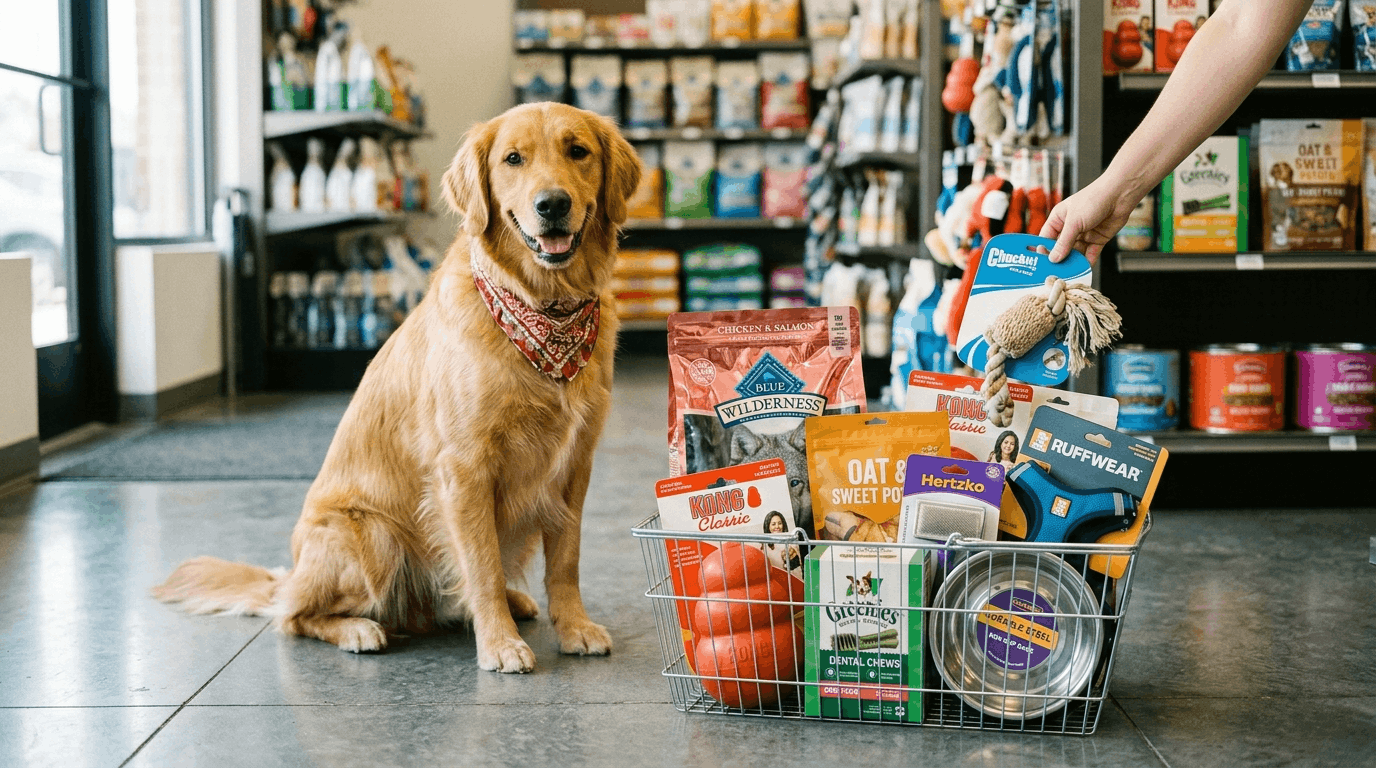
It is easy to feel like your dog needs everything at once, but that is rarely the case. A smart approach when you pick dog products is to begin with essentials and build from there. These basics include food, water bowls, a bed, a leash, a collar or harness, and a few toys.
Starting with essentials helps you avoid clutter and unnecessary spending. It also allows you to observe your dog’s preferences before adding more items. This step-by-step approach keeps your setup simple and practical.
In addition, focusing on essentials ensures that your dog’s core needs are always met. Once these are covered, you can explore additional products if needed.
Choose Quality Over Quantity
When you pick dog products, it is tempting to buy multiple items to cover every possibility. However, this often leads to wasted money and unused products. A better approach is to focus on quality instead of quantity.
High-quality products tend to last longer and perform better. For example, a durable leash or well-made toy provides better value over time. While these items may cost more initially, they reduce the need for frequent replacements.
In addition, quality products are often safer for your dog. Materials and design play a key role in preventing injuries or discomfort. By prioritizing quality, you create a more reliable and efficient setup.
Simplify Your Decision Process
Too many options can lead to confusion, which is why it is important to simplify how you pick dog products. Instead of comparing dozens of items, narrow your choices to a few that meet your basic requirements.
Start by identifying the purpose of the product. Ask yourself what problem it solves or what benefit it provides. If the product does not meet a clear need, it may not be necessary.
Next, focus on key features such as durability, comfort, and safety. Avoid getting distracted by extra features that do not add real value. This keeps your decisions simple and practical.
By simplifying your process, you reduce stress and make faster, more confident choices.
Pay Attention To Your Dog’s Behavior
Your dog’s reactions provide valuable feedback that can guide your decisions. When you pick dog products, observe how your dog interacts with what you already have.
For example, if your dog prefers certain toys or ignores others, use that information when choosing new ones. Similarly, if your dog avoids a specific bed or harness, it may not be the right fit.
In addition, watch for signs of comfort and engagement. Products that your dog enjoys using are more likely to be effective in the long term.
By paying attention to behavior, you make more informed decisions and improve your overall setup.
Use Reviews And Advice Wisely
Reviews can be helpful, but they should not control your decisions completely. When you pick dog products, use reviews as a guide rather than a rule.
Look for consistent patterns in feedback. If many users highlight the same strengths or weaknesses, it is likely accurate. However, remember that every dog is different, so not all opinions will apply to your situation.
In addition, avoid spending too much time researching. Too much information can slow down your decision-making process. Instead, gather enough insights to feel confident, then move forward.
By using reviews wisely, you maintain balance and avoid unnecessary confusion.
Avoid Impulse Buying
Impulse purchases can quickly add up, especially when products look appealing or trendy. However, a thoughtful approach is essential when you pick dog products.
Before buying, take a moment to consider whether the item is truly necessary. Ask yourself if it fits your dog’s needs and your daily routine. If the answer is unclear, it may be better to wait.
In addition, focus on function rather than appearance. Products should support your dog’s well-being, not just look good. This mindset helps you make practical choices.
By avoiding impulse buying, you keep your setup simple and organized.
Test Products Gradually
Not every product will be perfect right away, and that is normal. A smart way to pick dog products is to test them gradually instead of making multiple changes at once.
Introduce one new item at a time and observe how your dog responds. If it works well, you can continue using it. If not, adjust your choice based on what you learned.
This approach reduces pressure and prevents waste. It also allows you to build a collection of products that truly suit your dog.
Over time, this method helps you refine your decisions and improve your overall setup.
Keep Your Setup Practical And Organized
A well-organized setup makes daily care easier and more efficient. When you pick dog products, consider how they fit into your routine and space.
Store essential items in one place for easy access. This includes food, bowls, toys, and grooming tools. When everything is organized, tasks take less time and feel less stressful.
In addition, avoid overcrowding your space with unnecessary items. Keeping things simple helps maintain clarity and efficiency.
By focusing on practicality, you create a system that supports both you and your dog.
Stay Flexible And Keep Learning
Your dog’s needs may change over time, so flexibility is important. As you continue to pick dog products, be open to adjusting your choices when necessary.
For example, a puppy may outgrow certain items, while an older dog may require more comfort-focused products. By staying flexible, you ensure your setup remains effective.
In addition, learn from your experiences. Each decision provides insight that helps you improve future choices. Over time, this builds confidence and simplifies the process.
By staying adaptable, you create a system that evolves with your dog.
Conclusion
Learning how to pick dog products perfectly for your dog is not about finding the most expensive or popular options. Instead, it is about understanding your dog’s needs and making practical, informed decisions. By focusing on essentials, simplifying your choices, and observing your dog’s behavior, you can create a setup that truly works.
Over time, this approach becomes second nature. You spend less time researching and more time enjoying your dog. With the right mindset, you can pick dog products confidently and build a routine that supports both you and your pet.
FAQ
- How do I know which products are right for my dog?
Focus on your dog’s size, age, and behavior to guide your decisions. - Should I buy many products at once?
It is better to start with essentials and add more items gradually. - Are expensive products always better?
Not always. The best option is what works well and fits your dog’s needs. - What if my dog does not like a product?
Observe the reaction and adjust your choice based on your dog’s preference. - How can I avoid wasting money on dog products?
Stick to essentials, avoid impulse buying, and test products one at a time.