Bringing home a new puppy, like your new furry family member Max, is an incredibly exciting time! As a savvy new dog mom, you’re likely eager to make all the ‘right’ choices, but the sheer volume of dog products can feel overwhelming. Don’t worry, Doggy Stuff Shop is here to help you navigate this joyous journey with our new puppy essentials checklist.
Pet ownership in the U.S. has seen a significant rebound, with dogs being integral family members in 53% of households. This humanization trend means we prioritize our pets’ well-being as much as our own, driving demand for reliable, practical, and affordable products. Our goal is to empower you to make informed, budget-conscious decisions from day one, ensuring Max gets the best start possible without breaking the bank.
Your New Puppy Essentials Checklist
Starting strong means having the basics covered. Here’s what you’ll need to create a safe, comfortable, and stimulating environment for your puppy. Therefore, preparation is key to a happy home.
Setting Up Max’s Safe Space
A secure and cozy area helps your puppy feel safe and aids in training. Consider these items carefully.
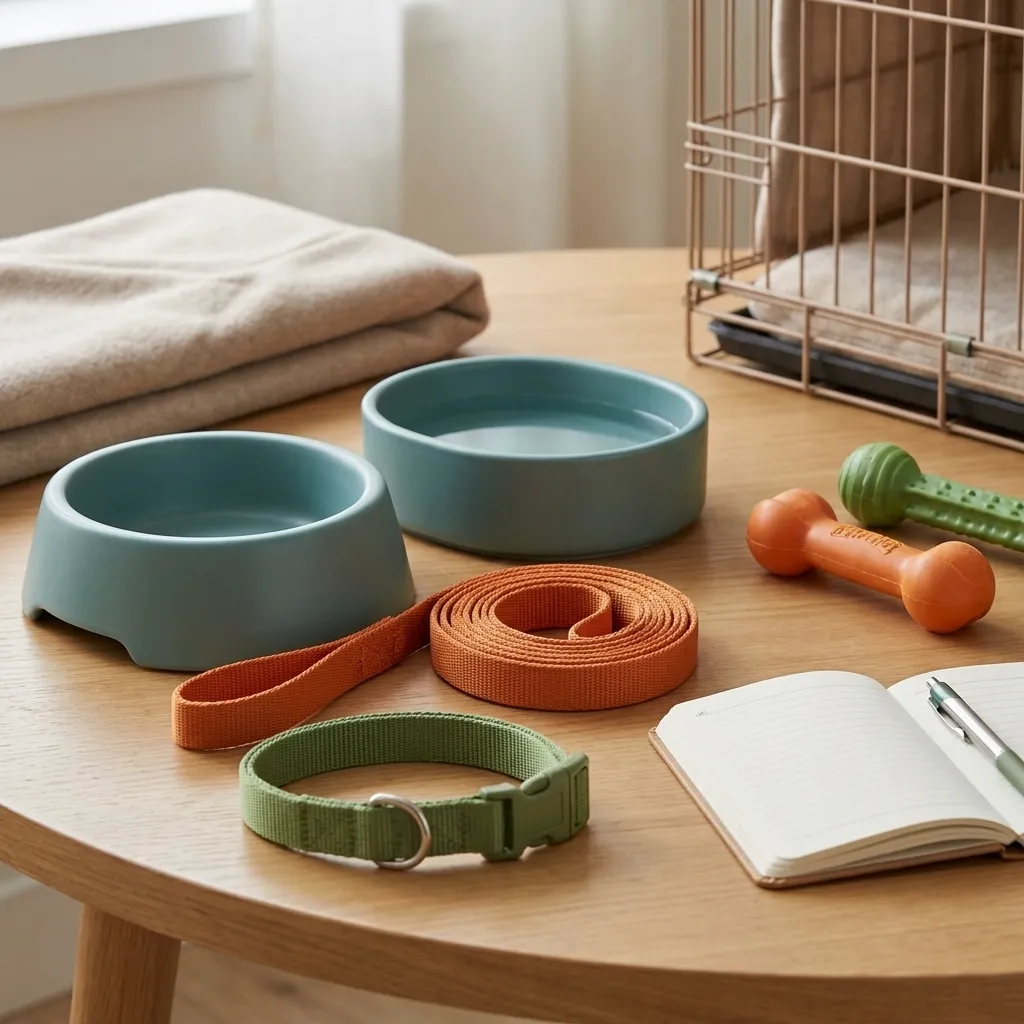
- Crate: A comfortable, appropriately sized crate is vital for house training and providing a den-like retreat. Look for one with a divider so it can grow with Max. Durability is key here, as it will be a cornerstone of his early training.
- Comfortable Bedding: Choose washable, durable bedding that fits the crate. Accidents happen, especially with puppies, so easy cleaning is a must.
- Playpen (Optional but Recommended): A playpen offers a larger, contained space when you can’t actively supervise Max, protecting him from hazards and your home from puppy mischief. This also gives him room to play safely.
Feeding Time Made Simple
Proper nutrition is fundamental for a growing puppy. Thus, selecting the right food and bowls is crucial.
- Food & Water Bowls: Stainless steel bowls are hygienic, durable, and easy to clean. Non-slip bottoms are a bonus to prevent spills during enthusiastic meal times.
- High-Quality Puppy Food: This is one area where value-driven spending truly pays off. As 66% of pet owners consider high-quality food a splurge, focus on transparent ingredients that support healthy growth. Your vet can recommend a suitable brand for Max’s breed and age. For instance, brands like Purina Pro Plan or Royal Canin are often recommended by veterinarians for their balanced nutrition.
- Nutritious Puppy Treats: Essential for positive reinforcement training. Choose small, soft, and easily digestible options. These help motivate your puppy during lessons.
Training & Walking Gear
Early training sets the stage for a well-behaved adult dog. Consequently, having the right gear makes this process smoother.
- Collar or Harness: Start with a lightweight, adjustable collar or harness. A harness is often better for puppies to protect their developing necks. Make sure it fits snugly but comfortably.
- Leash: A 4-6 foot durable leash is ideal for walks and training sessions. Look for sturdy materials that can withstand puppy chewing.
- Potty Pads (for emergencies): While outdoor potty training is the goal, pads can be useful for initial training or in bad weather. They offer a convenient temporary solution.
Playtime & Enrichment
Play is vital for a puppy’s development and happiness. Therefore, provide a variety of safe toys.
- Durable Chew Toys: Puppies need to chew! Provide a variety of safe, durable chew toys to redirect their chewing instincts away from your furniture. Prioritize safety and quality over quantity to prevent choking hazards.
- Puzzle Toys: These engaging toys challenge your puppy mentally and can help prevent boredom. For example, a puzzle toy can dispense treats as Max figures out how to manipulate it. This is a great way to keep him occupied.
- Interactive Toys: Toys that encourage interaction with you or other dogs can be very beneficial for socialization. You can find many options for interactive toys that will enrich your puppy’s life.
Bringing a puppy home is a big step, and preparing with a comprehensive list of puppy essentials can make all the difference. Knowing what to expect and having the right items on hand will reduce stress for both you and Max. This initial preparation also helps establish routines, which are incredibly important for a young dog. Remember, consistency is key in puppyhood.
Health & Grooming for Your New Furry Friend
Keeping your puppy healthy and clean is paramount. Regular care prevents common issues and strengthens your bond. In addition, early exposure to grooming makes it a positive experience.
Essential Health Items
Your puppy’s health starts with preventative care and immediate attention to any needs. Thus, always be prepared.
- First Aid Kit: A basic pet first aid kit is a must-have for minor scrapes or emergencies. Include items like antiseptic wipes, gauze, and pet-safe wound spray. You can find comprehensive guides on what to include from organizations like the American Veterinary Medical Association.
- Puppy Shampoo: Choose a gentle, tear-free shampoo specifically formulated for puppies. Their skin is sensitive, so harsh chemicals should be avoided.
- Brush: Regular brushing keeps their coat healthy and minimizes shedding. Select a brush appropriate for Max’s coat type.
- Nail Clippers: Start nail trimming early to get your puppy accustomed to it. Ask your vet or groomer for a demonstration if you’re unsure.
- Flea & Tick Prevention: Consult your vet for the best preventative measures based on your location and Max’s lifestyle. This is crucial for his well-being.
- Veterinarian Visit: Schedule a vet check-up within the first few days of bringing Max home. This ensures he’s healthy and gets him established with a local vet. Moreover, they can guide you on vaccinations and deworming.
Identification & Safety
Safety is a top priority for any pet owner. Therefore, ensure Max can always be identified.
- ID Tag with Contact Info: This is non-negotiable. Attach a tag with your phone number and address to Max’s collar immediately. You can explore options for ID tags and GPS trackers to give you peace of mind.
- Microchip: Discuss microchipping with your vet. It’s a permanent form of identification that significantly increases the chances of Max being returned if he ever gets lost.
Having a thorough new puppy essentials checklist ensures you are ready for every aspect of puppy care. From their first meal to their first walk, being prepared helps build confidence and provides a stable environment for your new companion. Remember, a well-prepared home is a happy home for a puppy.
Creating a Routine with Your New Puppy
Puppies thrive on routine. Establishing a consistent schedule for feeding, potty breaks, play, and sleep will help Max adjust quickly and reduce accidents. For example, a predictable day helps alleviate anxiety.
Morning Routine
- Wake Up & Potty Break: Take Max outside immediately upon waking.
- Breakfast: Feed him his high-quality puppy food.
- Play & Training: Engage in a short play session and some basic training.
Daytime Routine
- Potty Breaks: Frequent trips outside are essential, especially after waking, eating, and playing. Puppies have small bladders, so aim for every 2-3 hours.
- Naps: Puppies need a lot of sleep. Ensure he has quiet time in his crate or playpen.
- Supervised Play: Offer chew toys or a puzzle toy to keep him entertained.
Evening Routine
- Dinner: Serve his evening meal.
- Active Play: Burn off some energy with a longer play session.
- Final Potty Break: Take him out right before bedtime.
- Bedtime: Settle him into his crate for the night. This consistency is a cornerstone of successfully integrating your new family member.
This routine is a guideline; adjust it to Max’s individual needs and your schedule. Consistency, however, remains the most important factor. You can learn more about puppy development and training from resources like the American Kennel Club.
Beyond the Basics: Preparing for Puppy Parenthood
Bringing a puppy home is more than just buying supplies; it’s about preparing your lifestyle and home for a new family member. This is part of the extensive new puppy essentials checklist we advocate.
Puppy-Proofing Your Home
Just like with a toddler, you need to make your home safe for a curious puppy. Consequently, look at your home from a puppy’s perspective.
- Secure Hazardous Items: Store cleaning supplies, medications, and toxic plants out of reach.
- Cover Electrical Cords: Puppies love to chew, and electrical cords pose a serious hazard. Use cord protectors or hide them.
- Block Off Restricted Areas: Use baby gates to prevent access to rooms where Max shouldn’t be unsupervised.
- Remove Small Objects: Anything small enough to be swallowed should be put away.
Enroll in Puppy Classes
Socialization and basic obedience classes are invaluable. They teach Max good manners and expose him to other dogs and people in a controlled environment. Furthermore, they strengthen your bond and teach you effective training techniques. Many local pet stores or humane societies offer these programs.
Patience and Positive Reinforcement
Remember, Max is learning. Accidents will happen, and he will test boundaries. Therefore, approach training with patience, consistency, and positive reinforcement. Reward good behavior with treats, praise, and affection. Never punish mistakes; instead, redirect and guide him towards the correct action. This positive approach builds trust and confidence.
Bringing a new puppy into your life is a wonderful adventure. By using this new puppy essentials checklist, you are setting Max up for success and ensuring a smooth transition into his forever home. From practical items like a durable leash and comfortable bedding to the crucial elements of training and safety, every piece of this guide is designed to empower you as a responsible and loving pet parent. Enjoy every moment with your new best friend!
FAQ
What are the most crucial items for a new dog?
The most crucial items for a new dog include a comfortable crate, stainless steel food and water bowls, high-quality puppy food, a collar/harness with an ID tag, a sturdy leash, and a variety of safe chew toys. These items cover their basic needs for shelter, nutrition, safety, and healthy development.
How do I prepare my home for a new canine companion?
To prepare your home for a new canine companion, puppy-proof by securing hazardous items, covering electrical cords, blocking off restricted areas with gates, and removing small objects that could be swallowed. Additionally, establish a designated safe space for them, like a crate or playpen.
What kind of food should I give my young dog?
You should give your young dog high-quality puppy food specifically formulated for their age and breed size. Consult your veterinarian for recommendations tailored to Max’s specific needs to ensure he receives proper nutrients for healthy growth and development. Look for transparent ingredient lists.
What is a good training schedule for a young dog?
A good training schedule for a young dog involves consistent routines for feeding, potty breaks (every 2-3 hours), play, and naps. Integrate short, positive reinforcement training sessions throughout the day. Remember to take them outside immediately after waking up, eating, and playing.
Why are durable toys important for a young dog?
Durable toys are important for a young dog because puppies have a strong urge to chew, which helps with teething and exploration. Providing sturdy, safe toys redirects their chewing instincts away from household items, prevents potential choking hazards, and offers mental stimulation.