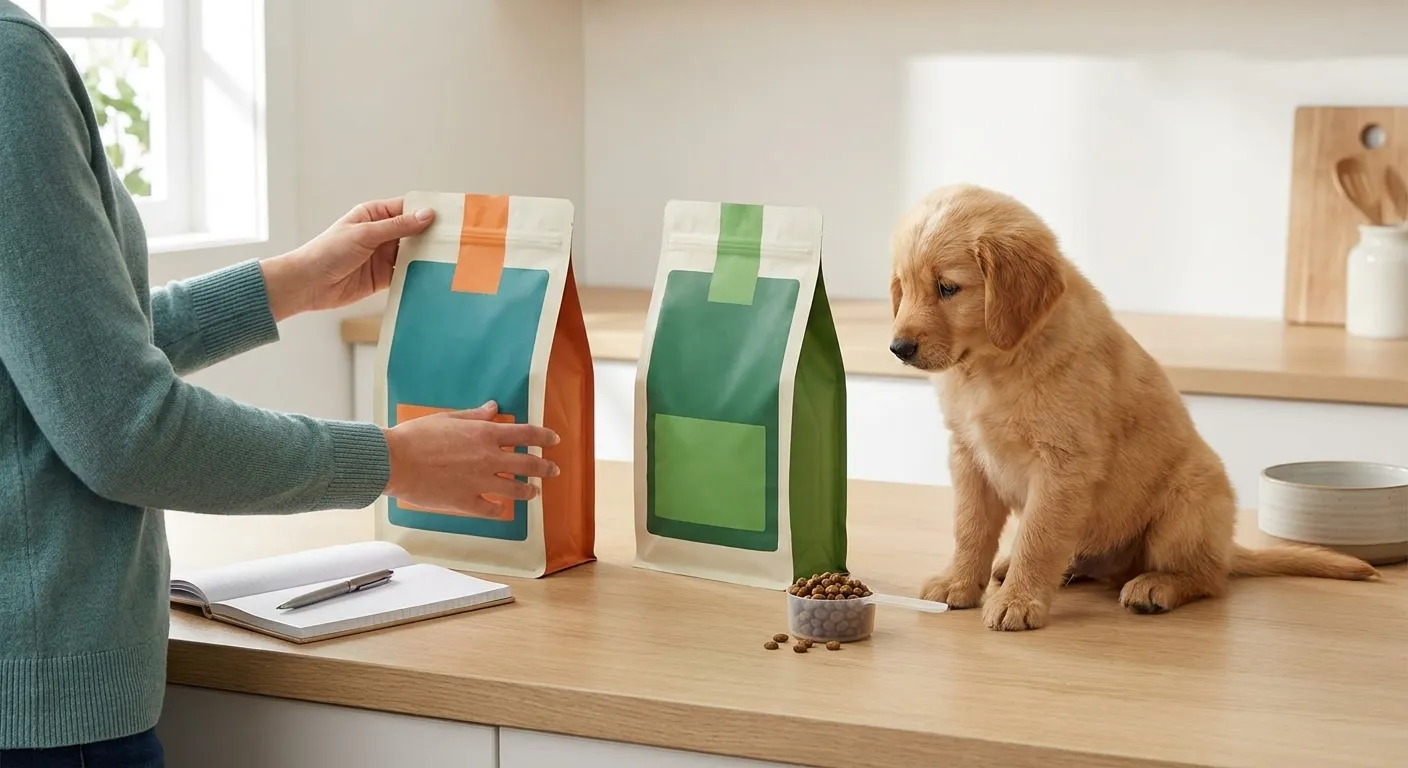
Navigating the world of puppy nutrition can feel overwhelming for new dog parents. With so many brands and varieties available, how do you know you’re choosing best puppy food for your growing companion? The right nutrition is fundamental to your puppy’s healthy development, supporting everything from strong bones and teeth to a shiny coat and a robust immune system. This guide will help you cut through the marketing noise and make an informed decision for your puppy’s specific needs.
Key Factors When Choosing Best Puppy Food
When you’re choosing best puppy food, several factors come into play. Firstly, look for a formula specifically labeled for puppies or “all life stages.” These formulas are designed with higher protein, fat, and specific nutrient levels crucial for growth than adult dog food. Secondly, consider your puppy’s breed size. Large breed puppies have different calcium and phosphorus ratios to prevent rapid growth that can lead to orthopedic issues. Small breed puppies need more calorie-dense food due to their higher metabolism. Thirdly, check the ingredient list. High-quality animal protein (like chicken, beef, or lamb) should be among the first ingredients, followed by healthy fats, complex carbohydrates, and essential vitamins and minerals. For instance, reputable brands often list real meat as the primary ingredient. Furthermore, avoid foods with excessive fillers, artificial colors, or preservatives. These additives offer little nutritional value and might even cause digestive upset.
Understanding Nutritional Needs by Breed Size
Puppies grow at different rates depending on their breed. Therefore, their nutritional needs vary significantly. For example, a tiny Chihuahua puppy will mature much faster than a giant Great Dane puppy. Small and medium breed puppies need higher calorie and protein content to support their rapid growth spurts. They typically reach their adult size by 9-12 months. Large and giant breed puppies, on the other hand, grow more slowly and need specially formulated food to manage their growth rate. Excessive calcium and phosphorus can lead to developmental orthopedic diseases in these breeds. Always choose a formula specifically designed for their expected adult size to ensure balanced growth and prevent future health problems.
Deciphering Dog Food Labels for Smart Choices
Understanding what’s actually in your puppy’s food is crucial. Learning to Decipher Dog Food Labels empowers you to make informed decisions. Look for ingredients that are easy to pronounce and recognize. The first five ingredients on the list make up the majority of the food. Ideally, these should include a named meat source (e.g., chicken meal, lamb), whole grains, or easily digestible vegetables. Be wary of generic terms like “meat by-products” or “animal digest” without further specification. Additionally, check for the AAFCO (Association of American Feed Control Officials) statement, which indicates the food meets the nutritional requirements for your puppy’s life stage. This stamp of approval offers peace of mind.
Wet vs. Dry Puppy Food: Making the Right Choice
Both wet and dry puppy foods offer distinct advantages. Dry kibble is often more economical and convenient to store. Moreover, its abrasive texture can help scrape away plaque, contributing to better dog dental health. Wet food, conversely, is highly palatable and provides extra hydration, which can be beneficial for puppies who don’t drink enough water. Many owners opt for a mix of both, offering the best of both worlds. You might serve dry kibble for most meals and use wet food as a topper or a special treat. This approach can also make meal times more exciting for your puppy. Ultimately, the best choice depends on your puppy’s preferences and your lifestyle.
When to Transition from Puppy Food to Adult Food
Knowing when to transition from puppy food to adult food typically depends on your puppy’s breed size and expected adult weight. Small breeds can usually switch around 9-12 months of age. Medium breeds are ready between 12-15 months. Large and giant breeds, which mature much slower, may stay on puppy food until 18-24 months. This extended period ensures their bones and joints develop properly. Always make the switch gradually over 7-10 days, mixing increasing amounts of adult food with decreasing amounts of puppy food. This helps prevent digestive upset. Furthermore, consulting your veterinarian is always wise for personalized advice, as they can recommend the best food based on your puppy’s health, activity level, and individual requirements. Making an informed choice now will set your puppy up for a lifetime of good health.
Special Considerations: Allergies, Sensitivities, and Unique Needs
Some puppies may develop food allergies or sensitivities. Common signs include itchy skin, ear infections, vomiting, or diarrhea. If you suspect your puppy has an allergy, a limited ingredient diet or a novel protein diet might be recommended. Always work with your veterinarian to identify potential allergens and find a suitable food. Additionally, some puppies have specific health conditions that require specialized diets. For instance, a puppy recovering from surgery might need a highly digestible formula. Discuss any unique needs with your vet to ensure you are choosing best puppy food for their particular situation. They can guide you towards therapeutic diets if necessary. Remember, every puppy is unique!
The Importance of Balanced Nutrition for Puppy Development
Proper nutrition during puppyhood is absolutely critical for long-term health. A balanced diet provides the building blocks for strong bones, healthy muscles, and a robust immune system. It also supports brain development, which is essential for learning and puppy socialization. Essential nutrients like DHA (an omega-3 fatty acid) are vital for cognitive development. Calcium and phosphorus, in the correct ratios, are crucial for skeletal growth. Without adequate nutrition, puppies can suffer from stunted growth, weakened immunity, and various developmental issues. Therefore, carefully choosing best puppy food is one of the most important decisions you will make as a new pet parent.
Reading Reviews and Reputable Brands
When you are choosing best puppy food, taking time to read reviews from other dog owners can be very helpful. Look for consistent positive feedback regarding a brand’s quality and the health of pets consuming it. However, remember that every puppy is different, and what works for one may not work for another. Researching reputable brands is also important. Brands with a long history of producing quality pet food and those that conduct extensive research and testing are generally more trustworthy. Look for brands that are transparent about their ingredient sourcing and manufacturing processes. Websites like The Pet Food Institute offer valuable information on pet food safety and nutrition. Also, consider consulting resources like Dog Food Advisor for in-depth reviews and ratings of various dog food brands.
Considering Your Budget When Selecting Puppy Food
Quality puppy food doesn’t always have to break the bank. While premium brands often come with a higher price tag, many affordable options still provide excellent nutrition. It’s important to find a balance between quality and cost that fits your budget-friendly dog care tips. Sometimes, a slightly higher upfront cost for better quality food can save you money on vet bills in the long run by supporting your puppy’s health. Compare ingredient lists and nutritional analyses across different price points. Look for sales, loyalty programs, or larger bag sizes for potential savings. Remember, the most expensive food isn’t always the best, and conversely, the cheapest might not offer adequate nutrition. Making a smart, economical choice is part of being a savvy dog owner.
The Role of Your Veterinarian in Puppy Food Selection
Your veterinarian is your best resource for personalized advice on choosing best puppy food. They know your puppy’s individual health history, breed predispositions, and any specific dietary needs. During routine check-ups, discuss your puppy’s diet and any concerns you might have. Your vet can provide recommendations based on their professional expertise and access to the latest nutritional science. They can also help identify potential allergies or sensitivities and guide you through dietary changes. Never hesitate to ask questions; your vet is there to support you in providing the best care for your growing puppy. They can also help you understand the nuances of different formulas, ensuring you are making the most informed choice.
Transitioning Your Puppy to a New Food
When you decide to switch your puppy’s food, whether it’s from their breeder’s food to your chosen brand or from puppy to adult formula, a gradual transition is key. Abrupt changes can lead to digestive upset, including vomiting or diarrhea. Over a period of 7-10 days, slowly introduce the new food by mixing it with the old food. Start with a small amount of the new food (e.g., 25% new, 75% old) and gradually increase the proportion of the new food each day. By the end of the transition period, your puppy should be eating 100% new food. Monitor your puppy closely during this time for any signs of digestive distress. If you notice any issues, slow down the transition or consult your vet. This careful approach makes the process smoother for your puppy’s sensitive digestive system.
Beyond Food: Other Essentials for a Growing Puppy
While choosing best puppy food is paramount, remember that a puppy’s well-being extends beyond their bowl. Regular exercise, consistent training, and plenty of love are equally important. Ensure your puppy has safe and durable dog toys for mental stimulation and physical activity. Early socialization is crucial for developing a well-adjusted dog. Furthermore, a comfortable and supportive dog bed provides a safe haven for rest and sleep. Don’t forget the importance of routine vet check-ups, vaccinations, and parasite prevention. Providing a holistic approach to care will help your puppy thrive in every aspect of their life. From potty training to playtime, every detail contributes to their happiness and health.
Conclusion
Ultimately, choosing best puppy food for your new family member is a significant decision that impacts their lifelong health and happiness. By understanding their unique nutritional needs, deciphering food labels, and consulting with your veterinarian, you can confidently select a diet that provides optimal growth and development. Remember, patience and observation are key. Every puppy is an individual, and what works best for one might not be ideal for another. With this guide, you are well-equipped to make an informed and loving choice, setting your puppy on the path to a vibrant and healthy future.
FAQ: What are the key nutrients my puppy needs?
Your puppy needs a balance of protein for muscle growth, fats for energy and brain development, carbohydrates for sustained energy, and essential vitamins and minerals for overall health, strong bones, and a robust immune system. Look for foods that list a named meat as the primary ingredient.
FAQ: How often should I feed my puppy?
Most puppies, especially younger ones (8-12 weeks), benefit from being fed 3-4 times a day. As they get older (around 4-6 months), you can typically reduce this to 2-3 times a day. Always follow the feeding guidelines on your chosen puppy food package and consult your vet for personalized advice.
FAQ: Can I give my puppy human food?
While some human foods are safe in moderation (like plain cooked chicken or certain fruits and vegetables), many are harmful or even toxic to puppies. It’s generally best to stick to a high-quality puppy food as their main diet. Always research before offering any human food and avoid anything with spices, onions, garlic, or artificial sweeteners.
FAQ: What if my puppy doesn’t like their new food?
If your puppy is reluctant to eat new food, try mixing a small amount with their old food and gradually increasing the new food over several days. You can also try adding a little warm water to dry kibble to enhance its aroma. If the issue persists, consult your veterinarian; there might be an underlying health reason or a need to try a different formula.
FAQ: Is grain-free puppy food better?
Not necessarily. Grain-free diets became popular due to concerns about allergies, but grains are not a common allergen in dogs. In fact, some grain-free diets have been linked to potential heart issues in some dogs. Unless your veterinarian specifically recommends a grain-free diet due to a diagnosed allergy, a quality puppy food with wholesome grains is generally a perfectly healthy choice.