Starting your journey as a dog owner can feel exciting, but it can also become overwhelming very quickly. With so many choices available, it is easy to feel unsure about what your dog actually needs. That is where a buying dog products guide becomes essential. Instead of guessing or relying on random recommendations, you can follow a simple approach that helps you make confident decisions. When you understand what matters most, choosing the right products becomes easier and far less stressful.
Many new owners assume they need to buy everything at once. However, that approach often leads to wasted money and unnecessary clutter. A better strategy is to focus on essentials first and build from there. By using a clear buying dog products guide, you avoid confusion and create a setup that works for both you and your dog.
Understand Your Dog’s Basic Needs First
Before you begin shopping, it is important to understand what your dog truly needs. A buying dog products guide always starts with the basics because these items support your dog’s daily life. Every dog requires food, water, shelter, and opportunities for exercise and interaction.
In addition, consider your dog’s age, size, and activity level. Puppies have different needs compared to adult dogs, while active breeds may require more durable gear. By focusing on these factors, you narrow your options and avoid unnecessary purchases.
Furthermore, think about your environment. A dog living in a small apartment may not need the same items as one with a large outdoor space. When you align products with your dog’s lifestyle, you create a more practical and effective setup.
Start With Essential Products Only
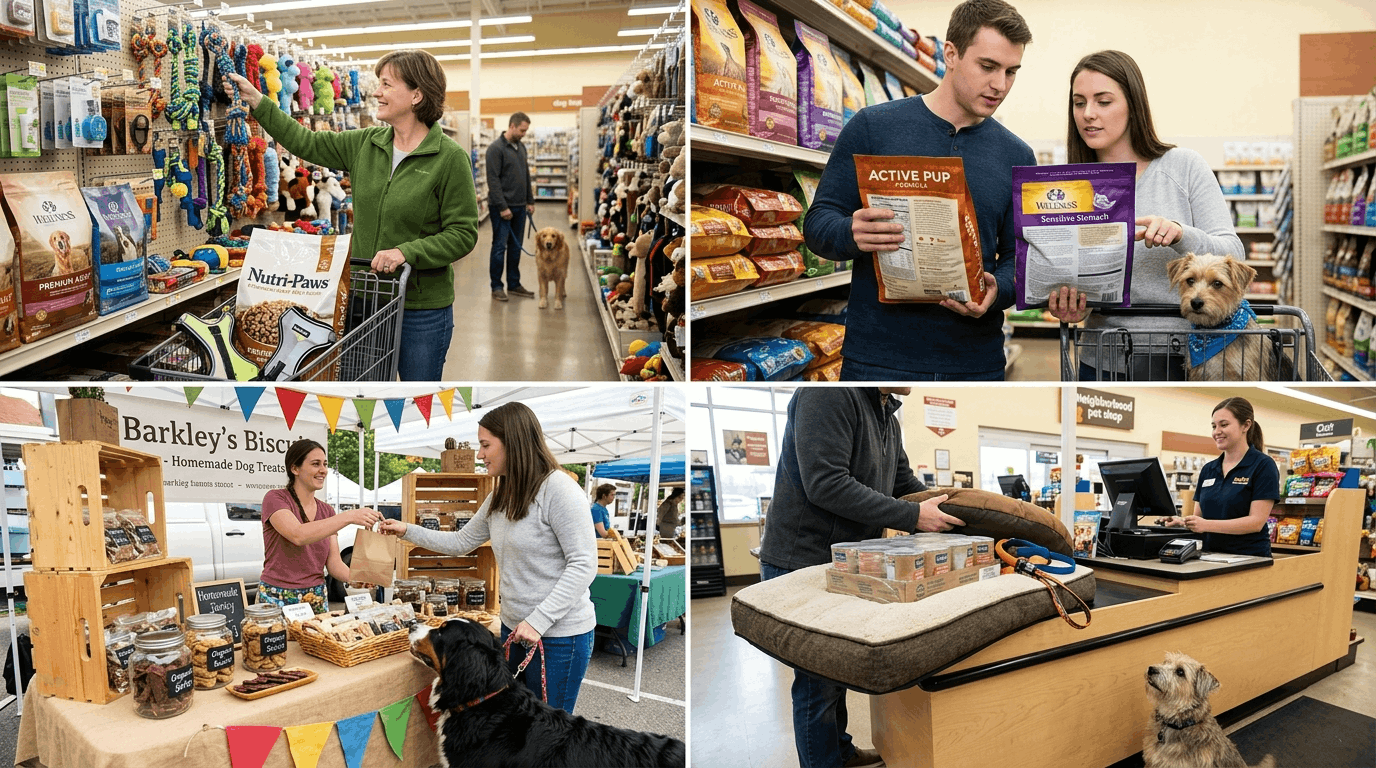
A common mistake is trying to buy too many items at once. Instead, a good buying dog products guide emphasizes starting with essentials. These core items include food bowls, a comfortable bed, a leash, a collar or harness, and a few toys.
By beginning with these basics, you cover your dog’s immediate needs without feeling overwhelmed. Once your dog settles into its routine, you can gradually add other products if necessary. This approach keeps your decisions simple and focused.
In addition, starting small allows you to learn what your dog prefers. Some dogs like soft bedding, while others prefer firm surfaces. Observing these preferences helps you make better choices later.
Focus On Quality Over Quantity
It can be tempting to buy multiple items at once, especially when options seem appealing. However, a buying dog products guide encourages focusing on quality instead of quantity. One well-made product often performs better than several lower-quality alternatives.
Durable materials, safe designs, and reliable construction should always be priorities. For example, a sturdy leash or harness provides better control and lasts longer. Similarly, high-quality toys are safer and more engaging for your dog.
Although quality products may cost more initially, they often save money over time. By choosing items that last, you reduce the need for frequent replacements. This makes your overall setup more efficient and cost-effective.
Simplify Your Decision Process
Too many options can lead to confusion, which is why a buying dog products guide recommends simplifying your decision process. Instead of comparing dozens of products, limit your choices to a few strong options.
Start by identifying the purpose of the product. Ask yourself what problem it solves or what benefit it provides. If it does not meet a clear need, it may not be necessary.
Next, focus on key features such as safety, comfort, and durability. Avoid getting distracted by extra features that do not add real value. By narrowing your focus, you make decisions faster and with greater confidence.
This simple approach helps you avoid overthinking and keeps the process manageable.
Pay Attention To Your Dog’s Preferences
Your dog’s behavior can guide your decisions more than any review or recommendation. A buying dog products guide becomes more effective when you observe how your dog interacts with different items.
For example, if your dog prefers certain toys, use that information to guide future purchases. If your dog avoids a specific bed or harness, it may not be the right fit. These observations provide valuable feedback.
In addition, every dog has unique preferences. Some enjoy interactive toys, while others prefer simple ones. By paying attention to these details, you make better choices that suit your dog’s personality.
Over time, this understanding helps you refine your approach and improve your selections.
Use Reviews And Advice Carefully
While reviews can be helpful, they should not be your only source of information. A buying dog products guide suggests using reviews as a general reference rather than a strict rule.
Look for consistent patterns in feedback. If many users mention the same strengths or weaknesses, it is likely accurate. However, remember that every dog is different, so not all opinions will apply to your situation.
In addition, avoid spending too much time researching. Gathering too much information can slow down your decision-making process. Instead, aim for a balanced approach that combines research with practical judgment.
By using reviews wisely, you maintain clarity and avoid unnecessary stress.
Avoid Impulse Buying
Impulse purchases are common when shopping for dog products. However, they often lead to items that are rarely used. A buying dog products guide encourages thoughtful decisions instead of quick ones.
Before purchasing, take a moment to consider whether the item is truly necessary. Ask yourself if it fits your dog’s needs and your routine. If the answer is unclear, it may be better to wait.
In addition, avoid buying products simply because they look appealing. Focus on function rather than appearance. This helps you make more practical and effective choices.
By avoiding impulse buying, you keep your setup simple and organized.
Test Products Gradually
Not every product will be a perfect fit right away. That is why a buying dog products guide recommends testing items gradually. Instead of changing everything at once, introduce one product at a time.
Observe how your dog responds to each item. If it works well, you can continue using it. If not, adjust your choice based on what you learned. This step-by-step approach reduces pressure and improves decision-making.
In addition, gradual testing prevents waste. You avoid buying multiple items that may not work. This makes your process more efficient and cost-effective.
Over time, this method helps you build a collection of products that truly suit your dog.
Stay Flexible And Keep Learning
Dog care is not static, and your needs may change over time. Therefore, a buying dog products guide should always include flexibility. As your dog grows or your routine changes, your product choices may need to adapt.
For example, a puppy’s needs will differ from those of an adult dog. Similarly, changes in activity levels may require different gear or toys. By staying flexible, you ensure your setup remains effective.
In addition, continue learning from your experiences. Each decision provides insight that helps you improve future choices. Over time, this builds confidence and makes the process easier.
Conclusion
A buying dog products guide for beginners is not about finding perfect items but about making practical, informed decisions. By focusing on your dog’s needs, starting with essentials, and simplifying your choices, you can avoid confusion and build a system that works.
Instead of feeling overwhelmed, you gain control over the process. Each decision becomes easier, and your confidence grows with experience. Over time, choosing the right products becomes a natural part of caring for your dog.
With the right approach, you can create a comfortable, efficient setup that supports your dog’s well-being while keeping your routine simple and stress-free.
FAQ
- What are the most important products to buy first?
Start with essentials like food bowls, a bed, a leash, and a few safe toys. - How do I know if a product is right for my dog?
Observe your dog’s behavior and comfort level when using the item. - Should I rely on reviews when buying dog products?
Use reviews as a guide, but always consider your dog’s specific needs. - How can I avoid wasting money on dog products?
Buy gradually, focus on quality, and avoid impulse purchases. - Can I change products later if they do not work?
Yes, adjusting your choices based on experience is part of the process.