Keeping your dog well-groomed isn’t just about making them look pretty; it’s a vital part of their overall health and well-being. Regular grooming helps keep their coat healthy, prevents matting, and allows you to check for any skin issues, lumps, or parasites. For new dog parents, knowing which essential dog grooming tools to start with can feel overwhelming. Don’t worry, you don’t need a professional setup to keep your pup clean and comfortable at home. We’ll break down the must-have items for basic home grooming.
First, let’s consider why home grooming is so important. Beyond aesthetics, it’s a fantastic opportunity to bond with your furry friend. Moreover, consistent at-home care can prevent costly trips to the vet for preventable issues like severe matting or nail overgrowth. It empowers you to be an active participant in your dog’s health journey. With a few basic supplies and a little patience, you’ll be well on your way to becoming a confident home groomer.
Brushes and Combs: The Foundation of a Healthy Coat
The right brush is your first line of defense against tangles and shedding. Different coat types require specific grooming instruments. For instance, short-haired breeds often benefit from a rubber curry brush or a bristle brush. These tools effectively remove loose hair and stimulate the skin, promoting a healthy, shiny coat. Furthermore, regular brushing can reduce the amount of dog hair found around your home, which is a bonus for any pet owner.
Long-haired or double-coated dogs, on the other hand, typically require more specialized equipment. A slicker brush is excellent for detangling and removing the thick undercoat. Following this, a wide-toothed comb ensures all mats are thoroughly removed. Remember, patience is key, especially with longer coats, to avoid pulling or causing discomfort. Always brush gently, working through small sections of hair at a time.
For breeds with very fine or silky coats, a pin brush can be incredibly useful. It glides through the hair without snagging, helping to prevent tangles and maintain the coat’s natural luster. Regardless of your dog’s coat type, aim for consistency. Regular brushing, even for just a few minutes daily, can make a huge difference in preventing mats and keeping their fur in top condition. These grooming instruments are truly invaluable.
Nail Care Essentials: Keeping Paws Healthy
Nail care is another critical aspect of your dog’s overall health. Overgrown nails can cause significant discomfort, leading to splayed paws, difficulty walking, and even potential injury. Therefore, investing in good quality nail care supplies is crucial. You can choose between dog nail clippers (guillotine or scissor-style) or a nail grinder. Many owners find a grinder less intimidating, as it files the nail down gradually, reducing the risk of cutting into the quick.
If you’re unsure about how to safely trim your dog’s nails, please don’t hesitate to ask your veterinarian or a professional groomer for a demonstration. They can show you the correct technique and help you identify the quick, which is the sensitive part of the nail containing blood vessels and nerves. Cutting the quick can be painful for your dog and lead to bleeding, so caution is advised. Having the right tools for canine paw care makes this task much simpler.
Regular nail trims, typically every 2-4 weeks, are essential. This routine prevents nails from becoming too long and causing problems. Remember to praise your dog and offer treats during and after nail trimming to create a positive association with the experience. This makes future grooming sessions much easier for both of you. For further reading on puppy care, you might find our guide on New Puppy Essentials List helpful.
Bathing Basics: Keeping Your Dog Clean and Comfortable
Bathing frequency depends on your dog’s breed, activity level, and coat type. Generally, a bath every few weeks or months is sufficient, unless your dog gets particularly dirty. Always use a dog-specific shampoo and conditioner, as human products can irritate their sensitive skin and disrupt their natural pH balance. Look for gentle, hypoallergenic formulas if your dog has sensitive skin. Moreover, ensure you have plenty of towels ready!
Before bathing, it’s wise to brush your dog thoroughly to remove any loose hair and tangles. This prevents mats from tightening when wet. In the tub, a rubber mat can help prevent slips, making the experience safer and less stressful for your dog. Furthermore, ensure the water temperature is lukewarm, not too hot or too cold. Always protect your dog’s eyes and ears from water during the bath.
After bathing, thoroughly dry your dog to prevent skin irritation, especially for breeds with dense coats that can trap moisture. A high-velocity dog dryer can speed up the process and help fluff out their coat, but a towel dry followed by air drying in a warm room is often sufficient for many breeds. Remember, a clean dog is a happy dog, and these hygiene supplies are crucial. For more insights into your dog’s overall health, consider reading about Why Regular Vet Check-ups Matter for Your Dog’s Lifelong Health.
Ear and Eye Care: Small Details, Big Impact
Ear cleaning is an important part of your dog’s grooming routine, especially for breeds with floppy ears that are prone to infections. Use a veterinarian-approved ear cleaner and cotton balls. Never use cotton swabs, as these can push debris further into the ear canal and potentially damage the eardrum. Gently wipe the visible parts of the ear, removing any wax or dirt. If you notice redness, odor, excessive scratching, or head shaking, consult your vet immediately. These could be signs of an ear infection requiring professional attention. The American Veterinary Medical Association offers great resources on ear care for pets.
Eye care is often simpler but equally important. Regularly check your dog’s eyes for any discharge, redness, or irritation. For breeds prone to tear stains, gentle wiping with a damp cloth or a specialized eye wipe can help keep the area clean. If you observe any persistent issues, it’s always best to consult your vet. These specific grooming instruments help maintain your dog’s comfort.
Dental Hygiene: More Than Just Fresh Breath
While often overlooked in home grooming guides, dental hygiene is absolutely critical for your dog’s overall health. Just like humans, dogs can suffer from plaque buildup, tartar, and gum disease, which can lead to serious health issues if left untreated. Therefore, including dental care as part of your regular home grooming routine is highly recommended.
Start with a dog-specific toothbrush and toothpaste. Never use human toothpaste, as it can contain ingredients harmful to dogs. Introduce brushing gradually, making it a positive experience with treats and praise. Aim to brush your dog’s teeth several times a week, if not daily. This consistent effort can significantly reduce the risk of dental problems. Furthermore, dental chews and toys can also help scrape away plaque, but they are not a substitute for regular brushing.
If your dog is resistant to brushing, consider dental wipes or water additives. While not as effective as brushing, they can still contribute to better oral hygiene. Your vet can also provide professional dental cleanings under anesthesia, which are essential for removing hardened tartar. Prioritizing these hygiene supplies will benefit your dog greatly. For information on other pet essentials, check out our guide on The Ultimate New Puppy Essentials List: Practical Picks for Savvy Dog Parents.
The Best Essential Dog Grooming Tools: A Summary
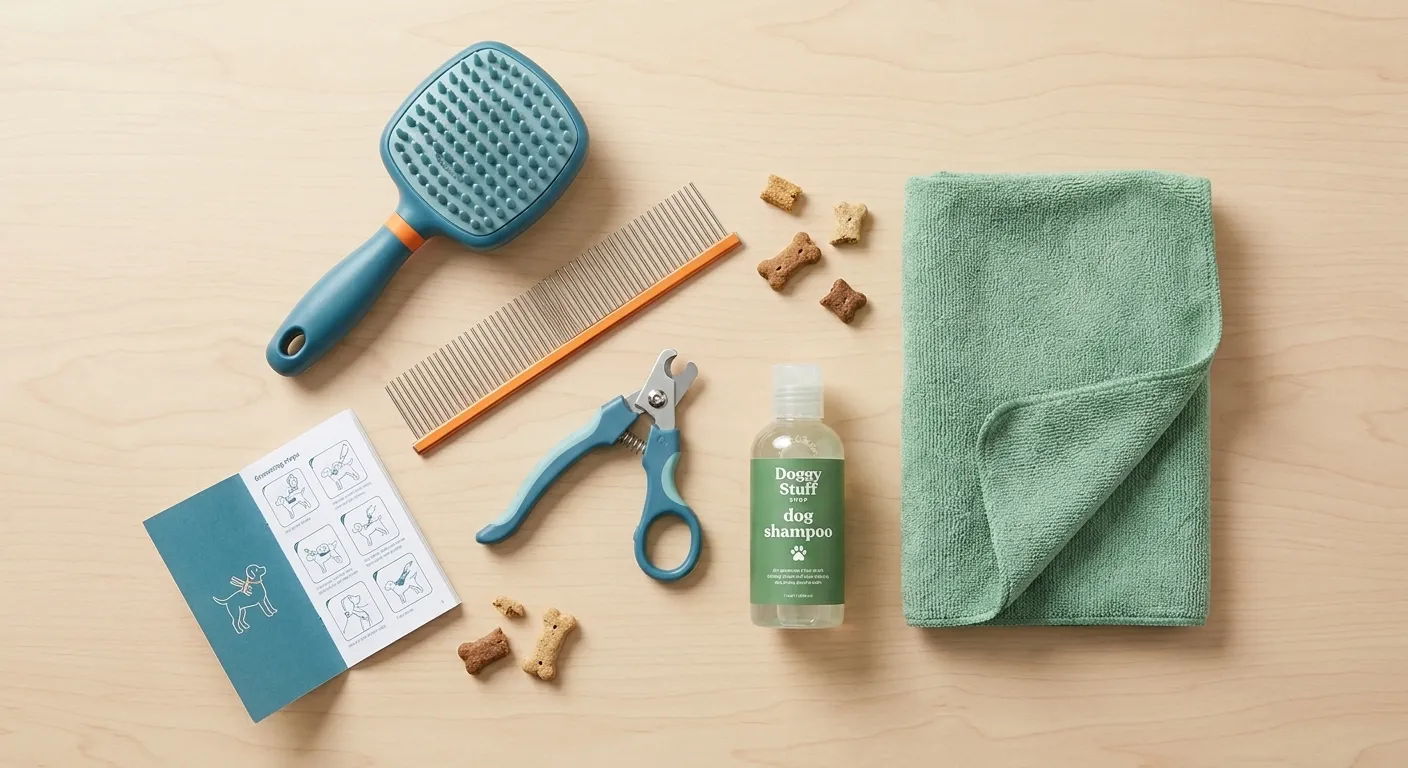
To recap, equipping yourself with the right essential dog grooming tools makes home care manageable and enjoyable. Here’s a quick rundown of the must-have items:
- Brushes and Combs: Tailored to your dog’s coat type (slicker, bristle, pin, curry, wide-toothed comb).
- Nail Clippers or Grinder: For safe and regular nail trims.
- Dog-Specific Shampoo and Conditioner: Gentle formulas for a healthy coat and skin.
- Ear Cleaner and Cotton Balls: For routine ear hygiene.
- Dog Toothbrush and Toothpaste: Vital for oral health.
- Grooming Wipes: For quick clean-ups between baths.
- Treats: Essential for positive reinforcement during grooming sessions.
Having these canine care products readily available will streamline your grooming routine and ensure your dog stays comfortable and healthy. It truly makes a difference.
Creating a Positive Grooming Experience
A positive grooming experience starts early. Introduce your puppy to grooming tools and routines gradually, using plenty of praise and treats. Keep sessions short and sweet, especially at first. This helps build trust and makes grooming a pleasant interaction rather than a stressful one. Remember, consistency is key; regular, gentle handling will make your dog more comfortable with being touched and groomed.
Consider establishing a dedicated grooming area. This could be a specific spot in your home where your dog feels safe and relaxed. Having all your grooming supplies organized and within reach also makes the process smoother. The Humane Society of the United States offers helpful advice on making grooming a positive experience for your dog.
Finally, always pay attention to your dog’s body language. If they show signs of stress or discomfort, take a break. Forcing a grooming session can create negative associations that are hard to undo. With patience and positive reinforcement, you can transform grooming into a cherished bonding activity. These are truly the most helpful grooming instruments to have.
With these essential dog grooming tools and a bit of practice, you’ll be able to keep your dog looking and feeling their best. Regular home grooming not only maintains their hygiene but also provides a wonderful opportunity for bonding. It’s a small investment in time and tools that pays off immensely in your dog’s health and happiness. We hope this guide on home grooming supplies helps you feel more confident in caring for your beloved companion.
FAQ
What are the most important dog care products for new owners?
For new owners, the most important dog care products include a suitable brush or comb for your dog’s coat type, nail clippers or a grinder, dog-specific shampoo, and a dog toothbrush with toothpaste. These items cover the fundamental aspects of your pet’s hygiene.
How often should I groom my dog at home?
The frequency of home grooming depends on your dog’s breed, coat type, and activity level. Brushing should ideally be done daily or a few times a week, nail trims every 2-4 weeks, and baths every few weeks to months. Dental brushing should be done several times a week.
Can I use human shampoo on my dog?
No, it’s not recommended to use human shampoo on your dog. Human shampoos have a different pH level than dog shampoos and can irritate your dog’s skin, leading to dryness, itchiness, or other skin issues. Always opt for a shampoo specifically formulated for dogs.
What should I do if my dog is afraid of grooming tools?
If your dog is afraid of grooming items, introduce them slowly and positively. Let your dog sniff the tools, offer treats, and praise them. Keep initial sessions very short, focusing on gentle handling rather than full grooming. Gradually increase the duration as your dog becomes more comfortable.
Are professional grooming services necessary if I groom at home?
While home grooming with proper supplies covers many needs, professional grooming can still be beneficial. Professional groomers have specialized equipment and expertise for intricate cuts, de-shedding treatments, and can spot issues you might miss. It’s a great option for occasional maintenance or specific breed needs.