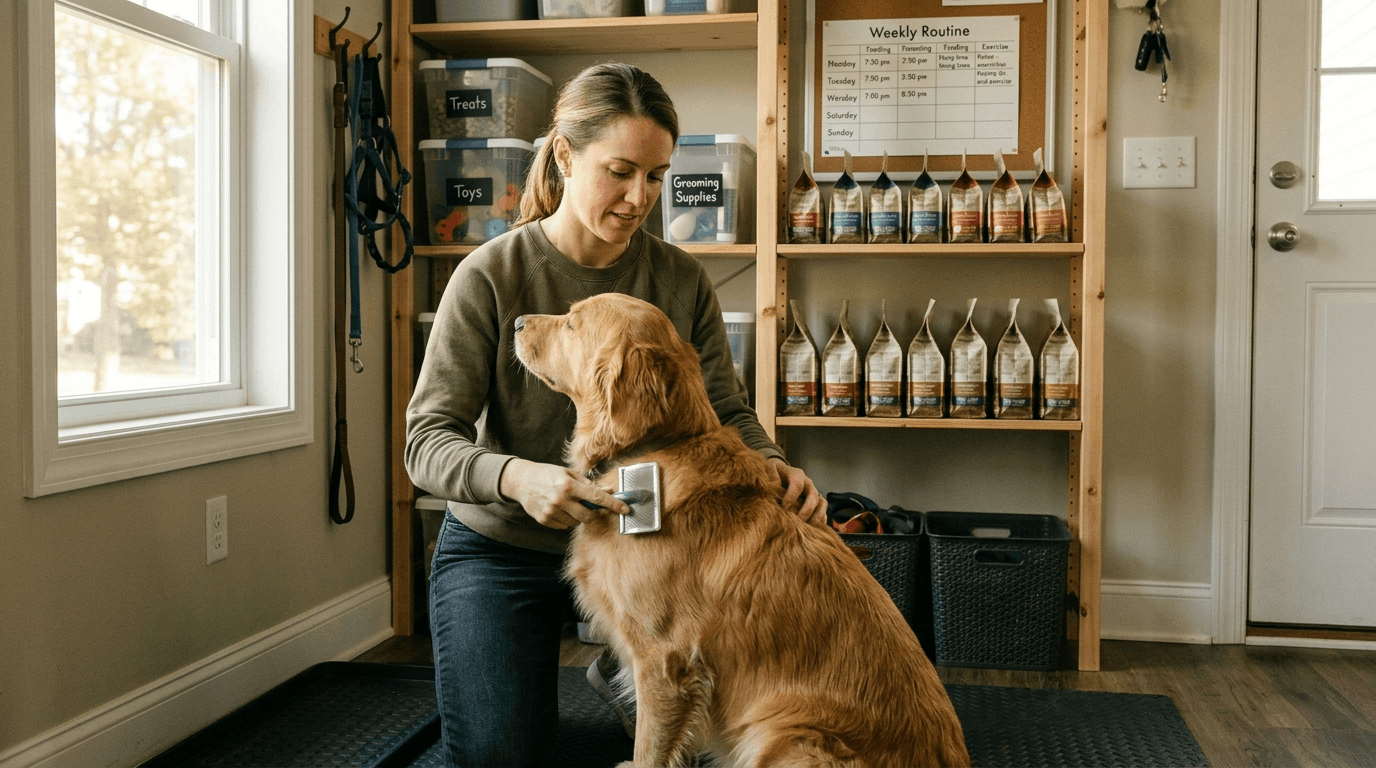
Every dog owner wants to make the right choices for their pet, yet modern dog care can feel surprisingly overwhelming. Between endless product options, conflicting advice online, and constant social media opinions, many owners second-guess even simple decisions. Food choices, grooming products, training methods, supplements, toys, and health routines all compete for attention daily. As a result, uncertainty often replaces confidence.
Learning confident dog care habits helps owners filter through noise while focusing on what truly benefits their dogs. Confident decisions do not require perfection or expert-level knowledge. Instead, they come from understanding basic principles, observing your dog carefully, and making thoughtful choices consistently over time.
Dogs thrive when owners feel calm, informed, and emotionally balanced. Nervous or indecisive handling sometimes creates confusion for pets, especially during training, routines, or stressful situations. Fortunately, becoming more confident with dog care is a skill anyone can develop through practical habits and reliable information.
The good news is that dog care becomes much simpler once owners stop chasing perfection and start focusing on consistency, observation, and realistic expectations. With the right mindset, daily decisions feel far less stressful and much more rewarding.
Why Many Dog Owners Feel Overwhelmed
Modern pet care information never stops.
Every day, owners encounter new opinions about nutrition, supplements, grooming methods, training styles, or exercise routines. One article recommends grain-free food while another warns against it. Some trainers support strict discipline, while others promote only positive reinforcement.
This flood of conflicting information often creates decision fatigue.
Social media also increases pressure because owners constantly compare themselves to polished online content. Perfectly behaved dogs and expensive product recommendations sometimes make normal owners feel inadequate unfairly.
However, confident dog care begins when owners understand that every dog has unique needs. What works for one dog may not work for another.
Trusting Observation Over Hype
Dogs communicate clearly through behavior.
Energy levels, coat quality, appetite, digestion, sleep patterns, and emotional responses provide valuable information daily. Instead of following every trend blindly, confident owners observe how their dogs actually respond to routines and products.
For example, one dog may thrive on a certain food while another develops digestive upset from the same brand. Some dogs relax with busy social schedules, while sensitive dogs need quieter environments.
Careful observation often matters more than internet trends.
Additionally, owners who pay close attention usually spot small problems early before they become serious health or behavioral concerns.
Building Simple Daily Routines
Consistency creates confidence.
Dogs naturally feel safer when life follows predictable patterns. Feeding schedules, walks, bedtime routines, play sessions, and training periods help create emotional stability for both pets and owners.
Simple routines also reduce mental overload.
When daily habits become automatic, owners spend less time second-guessing decisions constantly. Instead of reacting emotionally to every small challenge, routines provide structure and clarity.
Confident dog care often starts with manageable habits rather than complicated systems.
Focus on Core Health Priorities First
Many owners overcomplicate dog care unnecessarily.
Basic health needs matter far more than expensive accessories or trendy products. Proper nutrition, exercise, mental stimulation, hydration, sleep, grooming, and preventive veterinary care form the foundation of long-term wellness.
Owners who master these essentials usually feel much more confident overall.
Additionally, focusing on fundamentals helps reduce impulsive purchases driven by fear-based marketing.
Dogs do not need every new product released online. Most thrive with consistent care, emotional security, and healthy routines.
Reliable Veterinary Relationships Matter
A trustworthy veterinarian becomes one of the most valuable resources a dog owner can have.
Online information may provide general education, but professional medical guidance remains essential for serious health decisions. Confident owners ask questions openly instead of pretending to understand everything immediately.
Strong communication with veterinarians also reduces panic during health concerns because owners know where to turn for accurate information.
Additionally, preventive care often prevents larger medical problems later.
Understanding Your Dog’s Personality
Every dog behaves differently.
Some dogs feel naturally confident and adaptable, while others remain sensitive, cautious, or highly energetic. Confident dog care means adjusting routines and expectations to fit your dog’s actual personality rather than forcing unrealistic standards.
For example, an anxious dog may need slower socialization and calmer environments. Meanwhile, high-energy breeds often require greater physical and mental stimulation daily.
Owners who understand temperament differences usually make smarter decisions more quickly.
Avoiding Fear-Based Marketing
Pet marketing often targets emotional insecurity.
Many advertisements suggest owners must buy expensive products immediately to prove they truly care about their dogs. This emotional pressure creates unnecessary stress and confusion.
However, confident dog care focuses on practicality rather than fear.
Before buying products, owners should ask simple questions. Does this item solve a real problem? Is it safe? Does my dog actually need it? Have I researched quality and reviews carefully?
These questions prevent emotional overspending while encouraging smarter decisions overall.
Training Builds Confidence for Everyone
Training improves communication dramatically.
Dogs feel more secure when they understand expectations clearly. Likewise, owners feel calmer when dogs respond reliably during daily life.
Basic commands like sit, stay, leave it, recall, and leash manners reduce stress significantly at home and outdoors.
Additionally, short positive training sessions strengthen trust while building emotional connection naturally.
Confident dog care includes consistent communication rather than harsh correction or unrealistic expectations.
Learn to Recognize Stress Signals
Dogs often show emotional discomfort subtly.
Lip licking, pacing, yawning, trembling, excessive barking, avoidance, panting, or sudden behavioral changes may signal stress or discomfort.
Owners who understand body language usually make better care decisions quickly because they respond earlier to emotional needs.
Recognizing stress also prevents accidental overwhelm during training, socialization, or environmental changes.
Quality Matters More Than Quantity
Dogs do not need endless products to live happily.
Many owners accumulate excessive toys, treats, supplements, or accessories while overlooking product quality and safety.
Confident dog care focuses on selecting fewer high-quality items that genuinely improve comfort, health, and enrichment.
Durable leashes, supportive beds, safe toys, balanced food, and gentle grooming products often matter far more than trendy gadgets.
Healthy Dogs Need Mental Stimulation
Mental exercise supports emotional balance.
Dogs that feel mentally bored may develop destructive habits, excessive barking, restlessness, or anxiety. Fortunately, enrichment activities often improve behavior naturally.
Food puzzles, sniff walks, training games, scent work, and interactive toys encourage healthy mental engagement.
Additionally, mentally stimulated dogs often feel calmer indoors.
Confident owners understand that emotional health matters just as much as physical exercise.
Avoid Comparing Your Dog to Others
Comparison creates unnecessary pressure.
Social media often presents unrealistic images of perfect dogs with flawless training and endless obedience. However, real dogs have unique personalities, challenges, and learning speeds.
Confident dog care means focusing on your dog’s progress instead of competing with others online.
Small improvements deserve celebration. Progress matters far more than perfection.
Creating Calm Home Environments
Dogs absorb household energy constantly.
Chaotic routines, loud environments, inconsistent discipline, or emotional tension sometimes increase behavioral problems unintentionally. Calm leadership helps dogs feel safer and more emotionally balanced.
Quiet rest areas, predictable routines, regular exercise, and patient communication all support emotional stability naturally.
Additionally, dogs often mirror human emotions surprisingly closely.
Know When to Seek Professional Help
Some situations require outside guidance.
Behavioral aggression, severe anxiety, chronic health problems, or training struggles sometimes need support from qualified professionals. Confident owners understand that asking for help shows responsibility rather than failure.
Professional trainers, veterinarians, nutritionists, and behaviorists often provide clarity that saves time, stress, and frustration.
The Importance of Patience
Dogs learn gradually.
Many owners become discouraged because they expect instant behavioral changes or quick training success. However, lasting improvement usually develops through repetition, patience, and consistency.
Confident dog care requires realistic expectations.
Small daily progress often leads to major long-term improvements over time.
Building Confidence Through Education
Reliable education strengthens decision-making.
Books, veterinary resources, certified trainers, and science-based dog care information provide far more value than random internet opinions.
Additionally, experienced owners often become more confident simply through practice and observation over time.
Every challenge teaches something valuable.
Developing Long-Term Thinking
Quick fixes rarely solve deeper issues.
Confident owners think beyond temporary convenience while considering long-term wellness, behavior, and emotional health. For example, balanced nutrition, preventive care, and proper training create benefits that last for years.
Additionally, long-term thinking often saves money because preventive care reduces expensive problems later.
Trusting Yourself More Over Time
Experience builds clarity naturally.
New dog owners sometimes feel overwhelmed because every decision feels emotionally important. However, confidence grows steadily through observation, consistency, and learning from experience.
Mistakes will happen occasionally, and that is completely normal.
Dogs do not need perfect owners. They need caring, patient, and attentive humans who continue learning over time.
Confident dog care does not require perfection, expensive products, or expert-level knowledge. Instead, it grows through observation, consistency, patience, and thoughtful decision-making. Dogs thrive when owners focus on basic wellness, emotional stability, clear communication, and safe daily routines. Additionally, avoiding comparison and fear-based marketing helps reduce unnecessary stress for both pets and humans. Every dog has unique needs, which means confident care often involves adapting routines thoughtfully rather than copying trends blindly. Over time, owners who trust reliable information, observe their dogs carefully, and remain patient usually develop stronger instincts naturally. In the end, calm and informed decisions create healthier dogs, stronger relationships, and a far more enjoyable ownership experience overall.
FAQ
1. How can new owners feel more confident with dog care?
Start with consistent routines, basic training, reliable veterinary care, and simple daily observation habits.
2. Why do dog owners often feel overwhelmed?
Conflicting online advice, social media pressure, and endless product options commonly create confusion.
3. What matters most in daily pet care?
Nutrition, exercise, mental stimulation, sleep, grooming, and emotional stability matter most consistently.
4. Should owners buy every trending dog product?
No, many products offer little practical value despite aggressive marketing or online popularity.
5. How do dogs benefit from calm leadership?
Calm and consistent handling helps dogs feel emotionally secure, relaxed, and easier to train.