Managing everything your dog needs each day can quickly feel overwhelming, especially when your schedule is already full. However, learning how to organize dog care tasks does not require complex systems or extra time. Instead, it comes down to creating a simple structure that works consistently. When your tasks are organized, your day flows more smoothly, and your dog benefits from a predictable and calm routine.
Dogs rely on routine for comfort and stability. When tasks are handled randomly, it can lead to confusion, anxiety, and even unwanted behavior. Therefore, when you organize dog care tasks effectively, you are not just saving time but also supporting your dog’s emotional well-being. Over time, this approach makes daily care feel easier and more natural.
Start With A Clear List Of Daily Tasks
The first step to organize dog care tasks is to identify what needs to be done every day. This includes feeding, walking, playtime, grooming checks, and basic interaction. By listing these tasks, you gain clarity and avoid forgetting important steps.
Once you have your list, group similar tasks together. For example, feeding and short training sessions can be done at the same time. This reduces the number of separate activities you need to manage.
In addition, keep your list simple. Trying to include too many tasks can make your routine harder to maintain. Focus on essentials first, then add more only if needed. This approach helps you stay consistent and reduces stress.
Create A Consistent Daily Schedule
A consistent schedule is essential when you organize dog care tasks. Dogs feel more secure when they know what to expect, so repeating the same routine each day is highly effective.
For example, feeding your dog at the same times each morning and evening helps regulate digestion and energy levels. At the same time, scheduling walks around your work hours creates a predictable rhythm.
Even if your schedule is busy, consistency matters more than duration. Short but regular activities are better than long, irregular ones. Over time, this pattern becomes automatic for both you and your dog.
By maintaining a steady routine, you simplify your day and make dog care easier to manage.
Combine Tasks To Save Time
One of the smartest ways to organize dog care tasks is by combining activities. Instead of treating each task separately, look for ways to handle multiple needs at once.
For instance, during walks, you can include basic training exercises. Commands like sit or stay can be practiced while your dog is already active. This saves time while improving behavior.
Similarly, playtime can double as bonding time. Short interactive games provide both exercise and emotional connection. These combined activities make your routine more efficient.
By using this approach, you reduce the number of separate tasks and make your schedule easier to follow.
Use Simple Systems And Tools
Having the right tools can make it much easier to organize dog care tasks. While tools are not essential, they can simplify your routine and save time when used correctly.
Automatic feeders, for example, help maintain consistent meal times. This is especially useful if your schedule changes. In addition, organizing supplies in one place reduces time spent searching for items.
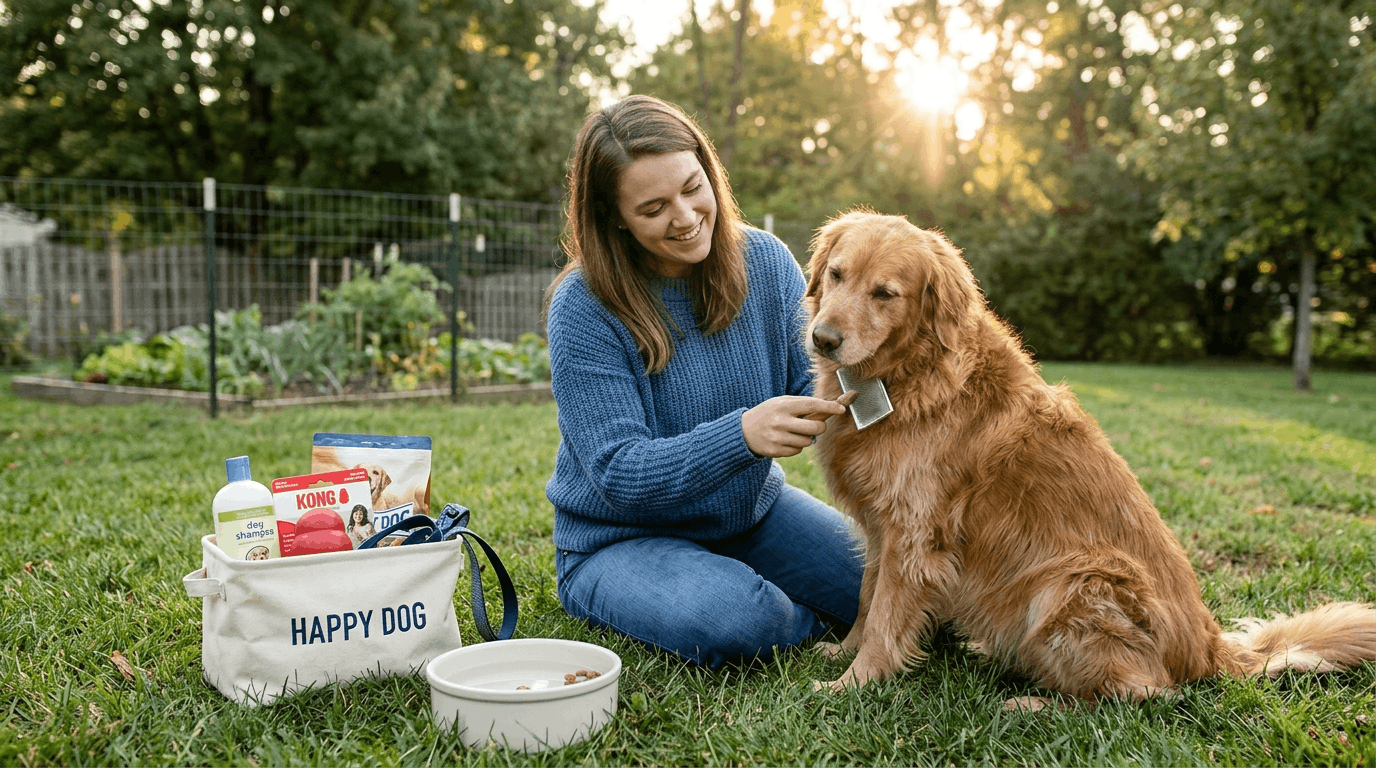
Leashes, toys, and grooming tools should be easily accessible. When everything is in a designated spot, tasks feel quicker and more manageable.
By using simple systems, you create a smoother routine that requires less effort each day.
Prioritize Tasks Based On Importance
Not all tasks carry the same level of importance. Therefore, when you organize dog care tasks, it is helpful to prioritize them. Feeding, exercise, and interaction should always come first because they directly affect your dog’s health and behavior.
Secondary tasks, such as grooming or training, can be adjusted based on your schedule. While these are still important, they can be done in shorter sessions or spread throughout the week.
By focusing on priorities, you ensure that essential needs are always met, even on busy days. This approach reduces stress and keeps your routine balanced.
Use Short Time Blocks Effectively
You do not need long periods of time to care for your dog. Instead, use short time blocks throughout the day to handle tasks efficiently. This is a key strategy when you organize dog care tasks.
For example, a quick five-minute training session can reinforce good behavior. A short play session can release energy and improve mood. These small actions add up over time.
In addition, using short blocks makes your routine more flexible. You can adjust tasks based on your schedule without feeling overwhelmed.
By making the most of small moments, you maintain consistency without needing extra time.
Keep Your Dog’s Environment Organized
An organized environment makes it easier to manage daily care. When your dog’s space is clean and structured, tasks become quicker and more efficient.
Start by creating a designated area for your dog’s essentials. This includes food, water, toys, and a comfortable resting spot. Having everything in one place reduces confusion and saves time.
In addition, keep this area tidy. Regularly cleaning and organizing prevents clutter and makes tasks easier to handle. A well-organized space also supports your dog’s comfort and behavior.
By maintaining order, you create a smoother routine and reduce daily stress.
Plan Ahead For Busy Days
Busy days are unavoidable, so planning ahead is essential. When you organize dog care tasks, preparation helps you stay consistent even when your schedule becomes unpredictable.
Prepare meals in advance and keep backup toys available. In addition, have quick activity options ready for days when you cannot spend much time outside.
If needed, consider arranging help from a dog walker or pet sitter. These options can support your routine during particularly demanding periods.
By planning ahead, you ensure your dog’s needs are always met without adding pressure to your day.
Stay Flexible While Maintaining Structure
While structure is important, flexibility allows your routine to adapt. Life does not always follow a fixed schedule, so your system should be able to adjust when needed.
If you miss a walk, you can compensate with indoor playtime later. If your schedule changes, keep feeding times as consistent as possible. These small adjustments help maintain balance.
In addition, observe your dog’s behavior. Some days may require more attention or activity. By staying responsive, you ensure your dog remains comfortable.
This balance between structure and flexibility helps you maintain a sustainable routine.
Build Confidence Through Consistency
The more you practice, the easier it becomes to organize dog care tasks. Over time, your routine will feel natural, and you will spend less time thinking about what to do next.
Confidence grows from repetition. Each day you follow your system, you reinforce positive habits for both you and your dog. This consistency creates a stable environment that supports long-term success.
In addition, do not worry about perfection. Small improvements are enough to create meaningful change. By focusing on consistency, you build a routine that works.
Conclusion
Learning how to organize dog care tasks without stress is about creating a simple and consistent system. By focusing on essentials, combining activities, and using practical tools, you can reduce daily pressure while maintaining high-quality care.
Over time, your routine becomes smoother and more efficient. Your dog benefits from stability and attention, while you enjoy a more balanced and manageable schedule. With the right approach, organizing dog care becomes an easy and rewarding part of your daily life.
FAQ
- How can I make dog care feel less overwhelming?
Break tasks into smaller steps and create a consistent daily routine that fits your schedule. - What tasks should I prioritize every day?
Focus on feeding, exercise, and interaction as the most important daily needs. - Can I manage dog care with limited time?
Yes, using short time blocks and combining tasks helps you stay consistent. - How do I stay organized with dog supplies?
Keep all items in one place and maintain a clean, structured environment. - What should I do on very busy days?
Plan ahead, use quick activities, and adjust your routine to maintain consistency.