Bringing home a new puppy, like Sarah with her new furry friend Max, is an incredibly exciting time! However, it can also feel a bit overwhelming, especially when you think about all the training ahead. You want to make the “right” choices for Max, ensuring he grows into a happy, well-adjusted dog, but you’re also mindful of your budget. The good news is that starting with easy puppy training tips doesn’t require expensive courses or fancy equipment. It’s about consistency, patience, and building a strong, positive relationship from day one.
Why Easy Puppy Training Tips Are Essential from Day One
In today’s pet care landscape, where “petflation” is a real concern and costs for everything from food to vet visits are rising, smart choices are more important than ever. Investing time in beginner dog training early on is one of the most practical and durable investments you can make. A well-trained dog is less likely to develop behavioral issues that might require costly interventions later. This aligns perfectly with the current trend of value-seeking behavior among pet owners – prioritizing essential spending that offers a good return on investment through longevity and effectiveness.
Beyond saving money, early training significantly contributes to your puppy’s safety and well-being. For example, a dog that reliably comes when called or stays put is a safer dog, whether you’re at the park or just opening the front door. Moreover, training sessions are fantastic opportunities to bond with your puppy, fostering trust and mutual understanding. This builds a foundation for a happy life together.
Foundation Commands: Where to Start with Puppy Training
Starting with a few core commands lays the groundwork for all future learning. Remember, short, frequent sessions (5-10 minutes, 2-3 times a day) are far more effective for puppies than long, drawn-out ones. This approach keeps training fun and prevents your puppy from becoming bored or overwhelmed.
Sit
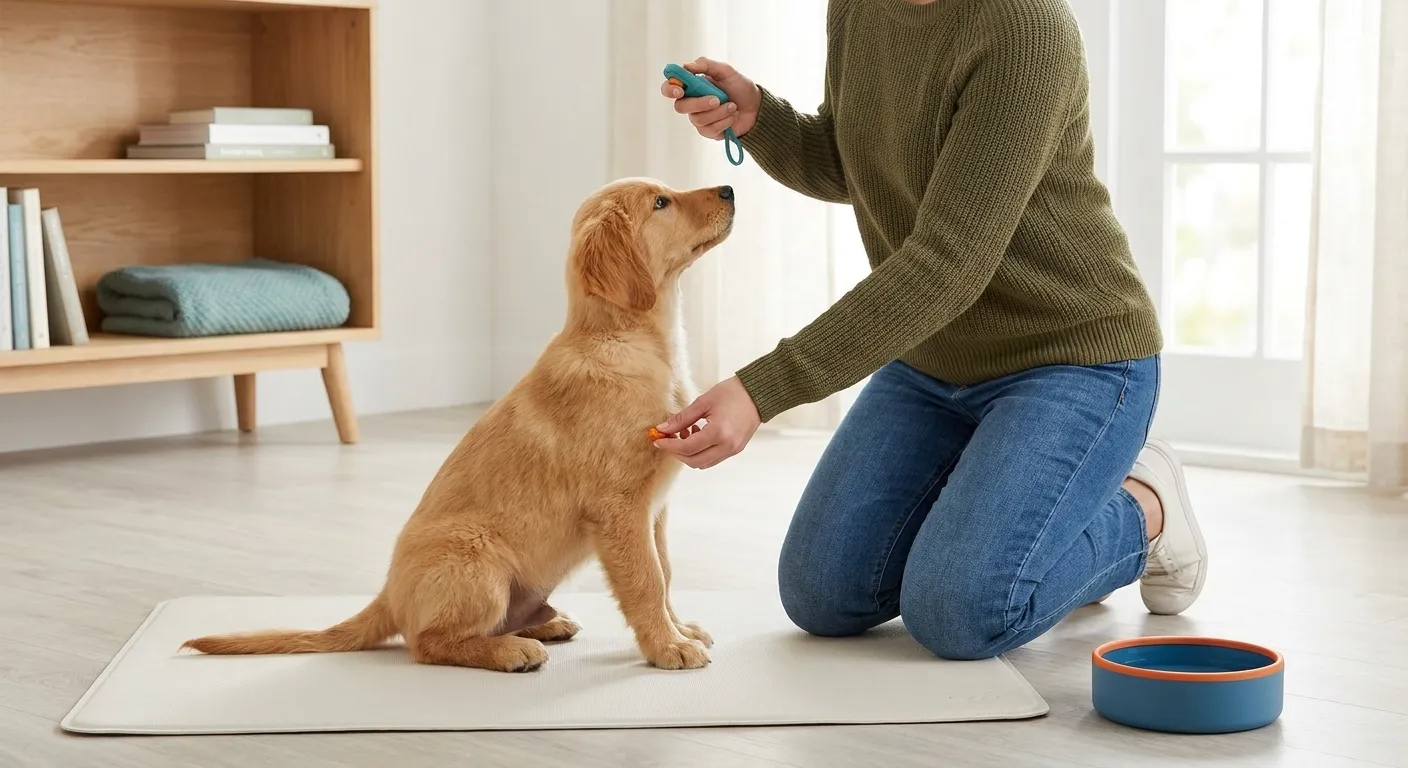
This is often the first command puppies learn. To begin, hold a small, high-value treat near your puppy’s nose. Then, move it slowly back over their head, encouraging their rear to touch the ground. As soon as they sit, say “Sit!” and immediately reward with the treat and praise. Repeat often throughout the day.
Stay
Once your puppy understands “Sit,” you can introduce “Stay.” Have them sit, then say “Stay!” and take one small step back. If they remain, immediately return, reward, and praise. Gradually increase your distance and the duration of the “stay” before releasing them with a cheerful “Okay!” or “Free!” This command is crucial for safety.
Come (Recall)
This is a critical safety command. Make “Come” the most exciting thing ever! Get low, use an enthusiastic voice, and when your puppy approaches, reward them with a jackpot of treats and happy praise. Practice in a safe, enclosed area first, making it a fun game. For example, you can take turns calling your puppy between two people.
Leash Walking
Introducing the leash and collar early is key. Look for durable, comfortable harnesses and leashes that can withstand puppy antics and will last as they grow. This focus on durability and quality reflects a strong demand among pet owners for affordable dog products that deliver real quality. Start with short, positive experiences indoors, allowing your puppy to get used to the feel before venturing outside. Reward calm behavior on the leash.
House Training: A Key Part of Puppy Development
House training, also known as potty training, is arguably one of the most important aspects of raising a puppy. It requires consistency, patience, and a clear understanding of your puppy’s needs. Establishing a routine is paramount here, as puppies thrive on predictability.
Establish a Schedule
Puppies generally need to relieve themselves after waking up, after eating, after playing, and before bedtime. Therefore, take your puppy outside frequently – every 1-2 hours for very young puppies. Always go to the same designated potty spot. This helps them associate that specific area with relieving themselves.
Positive Reinforcement is Key
When your puppy successfully goes potty outside, praise them enthusiastically and offer a small, high-value treat immediately. This positive reinforcement teaches them that going outside is a good thing. Conversely, avoid punishment for accidents indoors. Instead, interrupt them gently, take them outside, and clean up thoroughly with an enzymatic cleaner to remove odors that might attract them back to the same spot.
Crate Training for House Training Success
Crate training can be an invaluable tool for house training. Dogs naturally don’t want to soil their sleeping area. Consequently, a properly sized crate can help your puppy hold it for longer periods. Introduce the crate positively with treats and toys, making it a safe, comfortable den. Never use the crate as punishment. For more insights on managing your puppy’s routine, consider exploring how to simplify dog care and save time every day.
Socialization: Building a Confident Puppy
Socialization is the process of exposing your puppy to various sights, sounds, people, and other animals in a positive and controlled manner. This is incredibly important during their critical developmental period, generally up to 16 weeks of age. Proper socialization helps prevent fear and anxiety later in life, contributing to a well-adjusted adult dog. It’s one of the most beneficial puppy training tips you can follow.
Safe Exposures
Introduce your puppy to different types of people (children, adults, people with hats or glasses), friendly vaccinated dogs, and various environments (parks, stores that allow dogs, car rides). Keep these experiences positive and short. Always ensure your puppy feels safe and is not overwhelmed. If they show signs of stress, remove them from the situation gently.
Handling and Body Awareness
Regularly handle your puppy’s paws, ears, mouth, and tail. This makes vet visits and grooming much less stressful for both of you. Reward them for tolerating handling. This builds confidence and trust, which are vital components of any good puppy training program. Furthermore, it helps you identify any potential health issues early on.
Common Puppy Challenges and How to Address Them
Even with the best intentions, puppies can present unique challenges. Understanding how to address these common issues effectively is part of successful puppy training. Remember, patience is crucial when dealing with puppy behaviors.
Nipping and Biting
Puppies explore the world with their mouths, and nipping is a natural behavior. However, it needs to be managed. When your puppy nips too hard, yelp loudly (like another puppy would), and immediately withdraw attention. If they continue, calmly put them in a brief “time-out” in their crate or a playpen. Redirect their biting to appropriate chew toys. This teaches bite inhibition, an important skill.
Jumping
Jumping up for attention is another common puppy behavior. To discourage this, turn your back and ignore your puppy when they jump. Only give attention when all four paws are on the floor. Consistency from everyone in the household is essential for this training to be effective. You might also find helpful strategies in busy dog lifestyle tips for happy, healthy dogs.
Chewing
Puppies chew for many reasons: teething, boredom, or exploration. Provide a variety of appropriate chew toys and rotate them to keep things interesting. If your puppy chews something they shouldn’t, redirect them to an appropriate toy. Consider using bitter apple spray on furniture legs or other tempting items. This is a fundamental part of practical puppy training tips.
Beyond the Basics: Continuing Your Puppy’s Education
Once your puppy has mastered the foundation commands and house training, you can gradually introduce more advanced concepts. This ongoing learning keeps their minds engaged and strengthens your bond. Moreover, continuous training helps reinforce good habits and prevents behavioral regressions.
Enrichment Activities
Mental stimulation is just as important as physical exercise. Puzzle toys, snuffle mats, and scent games are excellent ways to challenge your puppy’s mind. These activities can prevent boredom, which often leads to destructive behaviors. Providing enrichment is a key component of effective puppy training tips.
Advanced Commands and Tricks
Once your puppy reliably performs “Sit,” “Stay,” and “Come,” you can move on to commands like “Down,” “Leave It,” and “Drop It.” Teaching fun tricks like “shake a paw” or “roll over” can also be a wonderful bonding experience and further enhance their learning capabilities. These advanced skills build upon the foundation of easy puppy training tips.
Consistency Across the Household
For any training to be truly effective, everyone in the household needs to be consistent with commands, rewards, and expectations. Inconsistent rules can confuse your puppy and slow down progress. Hold family meetings to ensure everyone is on the same page. This unified approach makes a huge difference in your puppy’s learning journey.
Choosing the Right Training Tools and Products
Selecting durable and practical products is essential for effective puppy training. We understand that pet owners are looking for reliability and value. Therefore, focus on items that are built to last and serve their purpose well, fitting into a practical budget. For instance, a comfortable, well-fitting harness is a better investment than a cheap one that will quickly wear out.
High-Value Treats
Treats are powerful motivators. Choose small, soft, and highly palatable treats that your puppy loves. These are especially effective for initial training sessions and for reinforcing challenging commands. Cut them into tiny pieces to avoid overfeeding. For instance, small pieces of cooked chicken or cheese can work wonders.
Durable Chew Toys
As mentioned, appropriate chew toys are vital for redirecting chewing behavior. Look for toys made from safe, non-toxic materials that can withstand vigorous chewing. Rotate toys to keep your puppy interested and engaged. This helps satisfy their natural urge to chew, protecting your furniture and shoes.
Comfortable Harnesses and Leashes
A well-fitting harness distributes pressure evenly and prevents strain on your puppy’s neck. A durable leash, ideally 4-6 feet long, provides control without being overly restrictive. When choosing these items, consider the long-term as your puppy grows. You can find more information on selecting products that meet these criteria in our guide on trusted dog product reviews pet owners trust. Furthermore, investing in quality training tools can make your training journey smoother and more enjoyable for both you and your puppy.
When to Seek Professional Help
While these easy puppy training tips are designed to help most owners, sometimes you might encounter challenges that require professional guidance. There’s no shame in seeking help; in fact, it’s a sign of a responsible pet owner. Certain behaviors, such as severe aggression or separation anxiety, may need a professional touch.
Recognizing the Need
If you’re struggling with a specific behavioral issue, or if your puppy isn’t responding to your training efforts, a certified professional dog trainer or a veterinary behaviorist can provide tailored advice and strategies. They can identify underlying causes and develop a customized training plan. Early intervention can prevent minor issues from becoming major problems.
Resources for Support
Many resources are available, including local puppy classes, private trainers, and online courses. For instance, the American Veterinary Society of Animal Behavior (AVSAB) offers position statements and resources on puppy socialization and training, which can be incredibly helpful. You can also consult your veterinarian for recommendations. Organizations like the Association of Professional Dog Trainers can also help you find a qualified trainer in your area. Additionally, for general advice on maintaining your dog’s well-being, our page on best dog care tips every owner should follow offers valuable insights.
Remember, training is an ongoing process, not a one-time event. Even adult dogs benefit from continued reinforcement and learning. The goal is to build a happy, confident, and well-behaved companion through positive, consistent methods. The journey of training your puppy is a rewarding one, full of bonding and mutual understanding. These easy puppy training tips are your starting point for a fantastic relationship.
Conclusion
Raising a well-behaved dog is a journey that starts with consistent, positive training from day one. By focusing on foundational commands, house training, and crucial socialization, you’re not just teaching your puppy manners; you’re building a strong, trusting relationship. Remember, patience, consistency, and positive reinforcement are your most powerful tools. These easy puppy training tips provide a clear path to a happy, well-adjusted companion, ensuring both you and your furry friend enjoy many years of companionship. Investing time now truly pays off in the long run, leading to a much more harmonious home life. We believe in empowering every dog owner to make confident decisions for their pets, and effective training is a cornerstone of that confidence.
FAQ
What are the most important things to teach a new puppy first?
The most important initial lessons for a new puppy include house training, basic commands like “Sit,” “Stay,” and “Come,” and early socialization. These fundamentals create a strong foundation for future learning and good behavior. Consistency with these early lessons is key to success.
How long should puppy training sessions be?
Puppy training sessions should be short and frequent, ideally 5-10 minutes long, 2-3 times a day. Puppies have short attention spans, so keeping sessions brief and positive helps them stay engaged and prevents them from getting bored or overwhelmed. End on a positive note.
What is the best way to house train a puppy?
The best way to house train a puppy is through a consistent schedule, frequent potty breaks, positive reinforcement for going outside, and potentially crate training. Always praise and reward your puppy immediately when they eliminate in the correct spot. Avoid punishment for accidents indoors.
How can I stop my puppy from nipping and biting?
To stop puppy nipping and biting, teach bite inhibition by yelping and withdrawing attention when they bite too hard. Redirect their biting to appropriate chew toys. Consistency is crucial, as is ensuring they have plenty of suitable items to chew on. Never encourage rough play with hands.
When should I start socializing my puppy?
Puppy socialization should begin as early as possible, typically between 3 to 16 weeks of age, after their initial vaccinations. Expose them to a variety of sights, sounds, people, and friendly vaccinated dogs in positive, controlled environments to build confidence and prevent future fears. Consult your vet about safe socialization timelines.
What if my puppy isn’t responding to basic obedience training?
If your puppy isn’t responding to basic obedience training, first review your methods for consistency and clarity. Ensure you’re using high-value rewards and keeping sessions short and positive. If challenges persist, consider consulting a certified professional dog trainer for personalized guidance and support. They can offer tailored strategies.