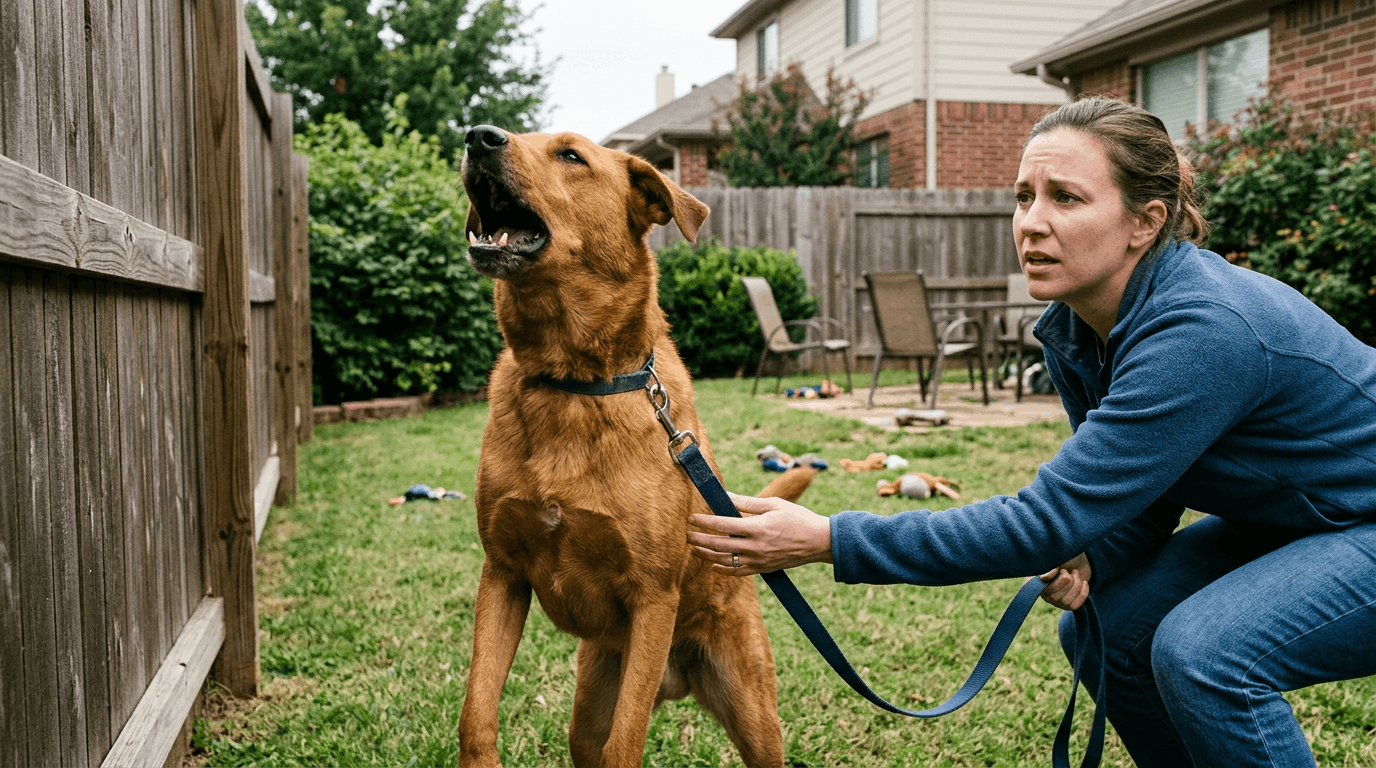
Dogs bark for many reasons, yet constant barking often leaves owners confused, frustrated, and emotionally exhausted. Some dogs bark at strangers walking past the window, while others react to noises, animals, cars, visitors, or even random movement outside. Although barking is a natural form of communication, excessive barking usually signals an underlying issue that owners need to understand properly. Fortunately, most dog barking problems improve significantly when owners identify the real cause and respond consistently.
Many people accidentally reinforce barking without realizing it. Yelling, reacting emotionally, or giving attention during barking episodes often teaches dogs that barking works. In other situations, dogs bark because they feel anxious, overstimulated, bored, territorial, or under-exercised. Once owners understand the emotional triggers behind the behavior, training becomes much easier and more effective.
Learning how to manage dog barking problems starts with patience, observation, and consistency. Quick fixes rarely create lasting results. However, calm daily habits often transform barking behavior more effectively than harsh corrections or punishment-based methods.
Why Dogs Bark So Much
Barking is completely normal canine communication.
Dogs bark to alert owners, express excitement, release stress, seek attention, or respond to environmental triggers. Some breeds naturally vocalize more than others because selective breeding encouraged alertness and guarding behavior over generations.
However, excessive barking usually develops when emotional needs remain unmet or routines become inconsistent. Dogs that lack structure, stimulation, exercise, or confidence often bark more frequently because they struggle to regulate emotions properly.
Many owners assume barking always means stubbornness or dominance. In reality, barking often reflects stress, uncertainty, frustration, or excitement instead.
Understanding the emotional cause behind barking helps owners respond more effectively.
Attention-Seeking Barking Becomes a Habit Quickly
Dogs learn through repetition and consequences.
If barking successfully gains attention, food, playtime, eye contact, or emotional reactions, dogs often repeat the behavior more frequently. Even negative attention may reinforce barking because many dogs simply want interaction.
Owners sometimes unintentionally reward barking by speaking, touching, or reacting immediately after barking begins. Dogs quickly connect barking with human responses.
To improve dog barking problems, owners must stay calm and avoid reinforcing unwanted behavior accidentally. Quiet behavior should receive attention instead.
Consistency matters greatly because mixed responses confuse dogs quickly.
Boredom Often Causes Constant Barking
Many dogs bark simply because they feel mentally under-stimulated.
Dogs need physical activity, enrichment, training, and structured engagement daily. Without proper outlets, boredom often turns into excessive barking, chewing, digging, pacing, or destructive behavior.
Working breeds especially struggle when they lack mental stimulation. Intelligent dogs need opportunities to think, solve problems, and use energy productively throughout the day.
Puzzle feeders, scent games, obedience training, interactive toys, and structured walks all help reduce boredom naturally.
Dog barking problems frequently improve once dogs receive better mental and physical enrichment consistently.
Window Barking Can Become Obsessive
Window barking remains one of the most common behavioral complaints.
Dogs often bark at passing people, animals, delivery trucks, or movement outside because visual stimulation triggers excitement or territorial instincts. Repeated exposure strengthens the habit over time.
Each barking episode reinforces itself because the trigger eventually disappears. Dogs mistakenly believe their barking successfully scared away the threat.
Blocking visual access sometimes helps dramatically. Frosted window film, curtains, or rearranged furniture may reduce reactive behavior immediately.
Owners should also redirect dogs calmly toward alternative activities before barking escalates fully.
Fear-Based Barking Needs Gentle Handling
Some dogs bark because they feel nervous or unsafe.
Fear barking often occurs around unfamiliar people, loud noises, other dogs, or sudden environmental changes. These dogs usually display additional stress signals such as pacing, trembling, lip licking, tucked tails, or avoidance behaviors.
Punishing fearful barking often worsens anxiety because dogs associate scary situations with additional stress.
Instead, owners should focus on confidence-building exercises, positive associations, and gradual exposure to triggers at manageable levels.
Calm reassurance and predictable routines help fearful dogs feel safer over time.
Lack of Exercise Increases Barking Behavior
Under-exercised dogs usually struggle with emotional regulation.
Physical activity helps release built-up energy while supporting calmer behavior indoors. Dogs that spend long hours without exercise often become restless and reactive.
Exercise does not always require intense running or endless activity. Structured walks, play sessions, sniffing opportunities, and training exercises all provide valuable outlets.
Balanced routines matter more than exhausting dogs completely.
Dog barking problems often decrease naturally once dogs receive appropriate exercise consistently.
Anxiety Can Trigger Constant Vocalization
Anxious dogs frequently bark to release stress or seek reassurance.
Separation anxiety, environmental stress, changes in routine, or overstimulation may all increase barking behavior significantly. Dogs experiencing anxiety often struggle to settle even after triggers disappear.
Owners should watch for signs such as pacing, panting, whining, destructive behavior, or excessive attachment.
Creating calm daily routines helps anxious dogs feel safer. Soft music, enrichment toys, predictable schedules, and quiet rest spaces often reduce stress naturally.
Professional guidance may help severe anxiety cases improve more effectively.
Why Yelling Usually Makes Barking Worse
Many owners instinctively yell when dogs bark excessively.
Unfortunately, dogs often interpret yelling as participation rather than correction. Some dogs believe owners are joining the excitement, which reinforces barking behavior even more.
Emotional reactions also increase household tension, making sensitive dogs feel more reactive overall.
Calm responses work far better. Owners should focus on redirecting behavior, rewarding quiet moments, and reducing triggers instead of reacting emotionally.
Dog barking problems improve faster when owners remain patient and consistent.
Teaching the Quiet Command Correctly
Teaching quiet behavior requires timing and repetition.
Owners should first allow brief barking naturally. Then, once barking pauses even momentarily, they can reward silence calmly using treats, praise, or attention.
The word “quiet” should connect with calm behavior rather than punishment.
Gradually, dogs begin understanding that silence produces positive outcomes. Short training sessions repeated consistently work better than long frustrating corrections.
Patience matters because barking habits rarely disappear overnight.
Mental Stimulation Helps Calm Reactive Dogs
Mental exercise tires dogs differently than physical activity alone.
Training sessions, scent work, food puzzles, and interactive games help reduce frustration while improving focus. Dogs that use their brains productively often feel calmer throughout the day.
Many reactive dogs actually need more structured thinking opportunities rather than endless physical exercise.
Simple enrichment activities also build confidence while reducing boredom-related barking significantly.
Territorial Barking Requires Structured Management
Some dogs bark excessively because they feel responsible for protecting the home.
Territorial barking often targets visitors, delivery drivers, neighbors, or outdoor sounds. While guarding instincts feel natural for many dogs, excessive territorial behavior can become stressful quickly.
Owners should avoid encouraging overprotective behavior accidentally. Constantly praising alert barking may intensify reactivity over time.
Instead, calm leadership and structured redirection help dogs understand that owners handle environmental situations safely.
Teaching dogs to move to a designated place during triggers often improves control significantly.
Socialization Shapes Barking Responses
Proper socialization helps dogs feel more comfortable around everyday experiences.
Poorly socialized dogs often react intensely to unfamiliar sounds, people, dogs, or environments because everything feels unpredictable or threatening.
Positive exposure during puppyhood helps build resilience and emotional stability. However, adult dogs also benefit from gradual positive experiences.
Owners should avoid overwhelming reactive dogs with chaotic environments too quickly. Controlled exposure creates better long-term results.
Dog barking problems often improve once dogs develop greater confidence around normal daily triggers.
The Environment Influences Barking Habits
Household energy affects canine behavior greatly.
Busy, noisy, stressful environments sometimes increase barking because dogs absorb emotional tension easily. Constant stimulation may leave dogs feeling unable to relax fully.
Calm households with predictable routines often support quieter behavior naturally.
Creating quiet rest periods throughout the day helps many dogs regulate emotions more effectively.
Owners should also manage overstimulation carefully during exciting situations such as guests arriving or multiple dogs playing together.
Crate Training Can Support Calmness
When introduced positively, crates help many dogs feel secure.
Crates provide quiet spaces where dogs can rest without constant stimulation. Proper crate training supports emotional regulation while preventing overstimulation.
However, crates should never become punishment tools. Dogs must associate crates with relaxation, comfort, and safety instead.
Many dogs bark less once they have calm spaces where they can decompress comfortably.
Why Consistency Matters Most
Inconsistent responses slow progress significantly.
If barking sometimes earns attention and sometimes gets ignored, dogs struggle to understand expectations clearly. Consistency helps dogs learn much faster because outcomes remain predictable.
Everyone in the household should respond similarly whenever barking occurs. Mixed reactions create confusion and frustration.
Dog barking problems improve steadily when owners commit to clear routines and calm responses daily.
Avoid Punishment-Based Training Tools
Shock collars and harsh punishment often create additional behavioral problems.
While these methods may temporarily suppress barking, they frequently increase fear, anxiety, or emotional stress underneath the surface. Dogs may stop vocalizing yet remain emotionally overwhelmed.
Positive reinforcement creates more stable long-term results because dogs learn alternative behaviors instead of simply avoiding punishment.
Trust-based training strengthens communication while improving emotional balance overall.
Reward Calm Behavior Frequently
Owners often notice barking more than quiet behavior.
However, rewarding calm moments teaches dogs what owners actually want. Quiet relaxation, calm observation, and settled behavior should receive praise, treats, or gentle attention regularly.
Dogs repeat behaviors that produce positive outcomes consistently.
Building calmness proactively works far better than constantly reacting to unwanted barking after it starts.
Some Barking Is Completely Normal
Owners should maintain realistic expectations.
Dogs naturally bark sometimes because barking remains part of canine communication. The goal should focus on reducing excessive or unnecessary barking rather than eliminating all vocalization entirely.
Healthy dogs still bark occasionally during excitement, play, alerts, or communication.
Balanced training helps dogs respond appropriately without becoming reactive constantly.
Understanding this difference helps owners approach training more patiently and realistically.
Dog ownership becomes far more enjoyable once barking behavior feels manageable and predictable. Most excessive barking develops gradually through emotional stress, boredom, inconsistent routines, lack of stimulation, or accidental reinforcement. Fortunately, calm leadership, mental enrichment, structured routines, and positive reinforcement often improve behavior significantly over time. Owners who understand the emotional causes behind barking can respond more effectively while building stronger trust with their dogs. Lasting improvement comes from consistency, patience, and daily habits that help dogs feel mentally fulfilled, emotionally balanced, and secure within their environment.
FAQ
1. Why does my dog bark at every small noise?
Dogs often bark at noises because they feel alert, anxious, territorial, or overstimulated.
2. Can boredom cause excessive barking?
Yes, mentally under-stimulated dogs frequently bark more due to frustration and excess energy.
3. Should I ignore barking completely?
Ignoring attention-seeking barking can help, but owners should also address the underlying cause.
4. Do certain breeds bark more than others?
Yes, some breeds naturally vocalize more because of genetics and historical working roles.
5. How long does it take to improve barking behavior?
Most dogs improve gradually over several weeks with consistent training and calm daily routines.