As responsible dog owners, we strive to give our furry friends the best life possible. A cornerstone of that commitment is ensuring regular dog vet checkups. These routine visits are far more than just quick appointments. They are crucial for preventative care, early detection of health issues, and maintaining your dog’s quality of life for years to come. Skipping these vital appointments can, unfortunately, have significant long-term consequences for your beloved companion.
The Unseen Benefits of Regular Dog Vet Checkups
Many common canine health problems can develop silently. For example, dental disease, arthritis, and even certain cancers often show no obvious symptoms in their early stages. Regular dog vet checkups allow your veterinarian to conduct thorough physical examinations. These exams include checking teeth, listening to heart and lungs, palpating joints, and assessing overall body condition. Consequently, these examinations can catch subtle changes or emerging issues before they become serious. Early detection often means more effective treatment options and better outcomes for your dog, making a significant difference in their recovery and long-term well-being. Furthermore, your vet can recommend appropriate vaccinations and parasite prevention tailored to your dog’s lifestyle and local risks. This proactive approach protects them from preventable diseases, ensuring they stay as healthy as possible.
Preventative Care: A Foundation for Health
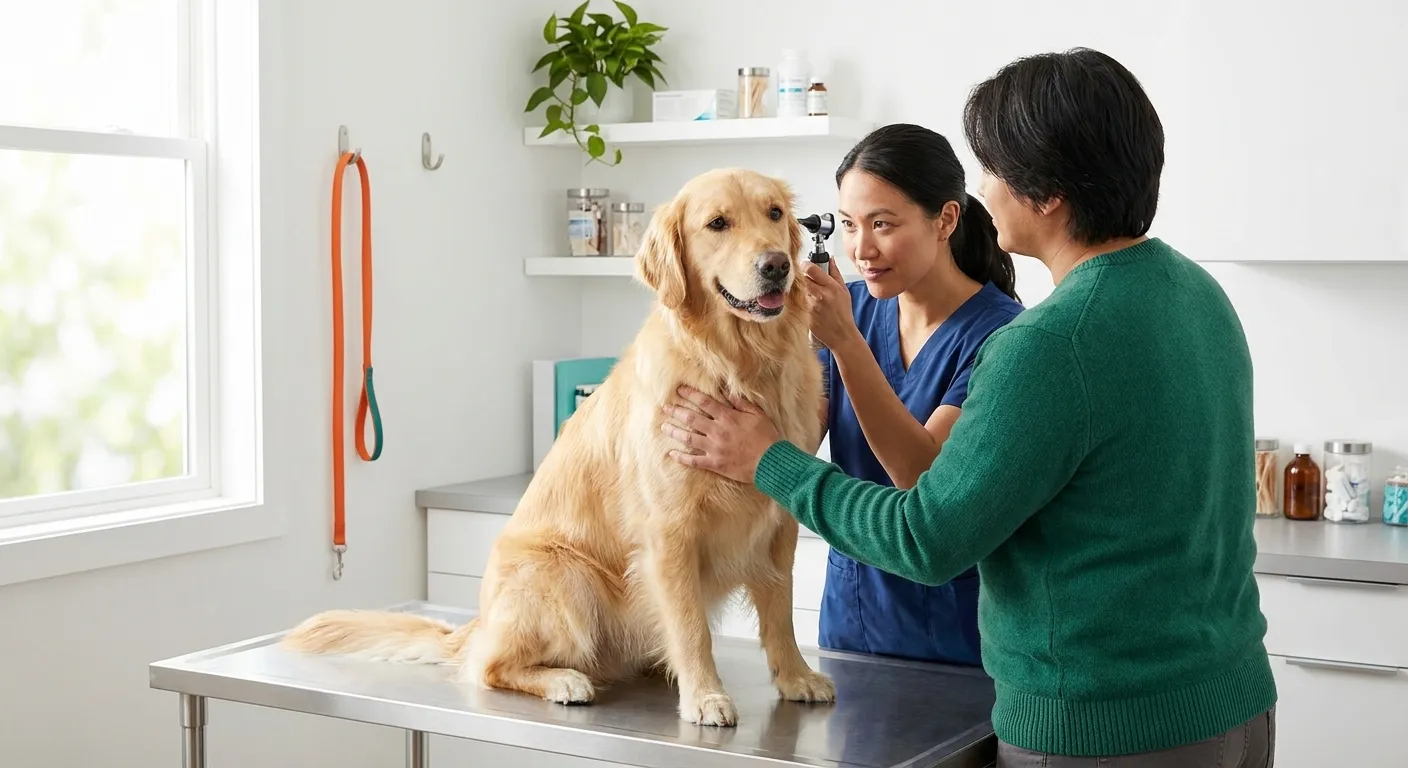
Preventative care is truly the backbone of your dog’s health. During annual wellness visits, your vet performs a comprehensive physical exam. This involves inspecting everything from their nose to their tail. They will check their eyes and ears for any signs of infection or irritation. Also, they will feel their lymph nodes and abdomen for any unusual lumps or tenderness. This detailed assessment helps identify potential problems before they escalate. Think of it like a regular tune-up for your car; it keeps everything running smoothly and prevents major breakdowns. Moreover, these visits are ideal for discussing any changes you’ve noticed in your dog’s behavior or habits. Small observations can sometimes point to larger underlying health issues that your vet can investigate.
Tailored Vaccination and Parasite Control
Vaccinations are essential for protecting your dog from serious and potentially fatal diseases. During your dog vet checkups, your veterinarian will review your dog’s vaccination history. They will then recommend boosters or new vaccines based on your dog’s age, lifestyle, and exposure risks. For instance, a dog that frequently visits dog parks or boarding facilities might need different vaccinations than a dog that primarily stays home. Similarly, parasite control is vital. Fleas, ticks, heartworms, and intestinal worms can cause a range of health problems, from skin irritation to severe organ damage. Your vet will discuss the most effective prevention strategies, including regular deworming and year-round flea and tick medications. This personalized approach ensures your dog receives the best possible protection against these common threats.
Beyond Physical Health: Lifestyle and Nutrition Guidance
Vet check-ups aren’t just about physical examinations. They are also an excellent opportunity to discuss your dog’s diet, exercise routine, and behavioral patterns. Your veterinarian can offer personalized advice on nutrition, weight management, and age-appropriate exercise. This helps you adapt your care as your dog grows from a playful puppy to a wise senior. For example, a growing puppy needs different nutrients than an older, less active dog. Your vet can recommend specific food brands or dietary adjustments to meet their evolving needs. They can also address any behavioral concerns, helping you understand and manage issues like anxiety or aggression. These discussions contribute significantly to your dog’s overall well-being and strengthen the bond you share. Think of these visits as an investment in your dog’s future health and happiness, providing peace of mind and proactive care.
Navigating Nutritional Needs Through Life Stages
A dog’s nutritional requirements change significantly throughout their life. Puppies need diets rich in calories and specific nutrients for growth. Adult dogs require balanced nutrition for maintenance and energy. Senior dogs, on the other hand, often benefit from diets lower in calories and higher in joint-supporting ingredients. During your dog vet checkups, your veterinarian can provide invaluable guidance on selecting the right food for your dog’s specific life stage, breed, and activity level. They can also advise on appropriate portion sizes and address any dietary sensitivities or allergies. Proper nutrition is a cornerstone of good health, and your vet is the best resource for ensuring your dog is getting what they need.
Exercise and Weight Management: Keeping Your Dog Active
Maintaining a healthy weight and getting adequate exercise are critical for preventing many health issues in dogs, including arthritis, diabetes, and heart disease. Your vet can help you assess your dog’s ideal weight and body condition. They can also recommend suitable exercise routines based on your dog’s breed, age, and physical capabilities. For instance, a high-energy breed like a Labrador Retriever will need more vigorous exercise than a smaller, less active breed. If your dog is carrying extra pounds, your vet can work with you to develop a safe and effective weight loss plan. This plan might involve dietary adjustments and increased physical activity. Regular check-ins during dog vet checkups allow your vet to monitor progress and make any necessary modifications.
Addressing Behavioral Concerns and Promoting Well-being
Behavioral issues can be distressing for both dogs and their owners. They can range from minor annoyances to serious problems that affect a dog’s quality of life. During your routine visits, don’t hesitate to discuss any behavioral changes or concerns you’ve observed. Your vet can help determine if a behavioral issue has an underlying medical cause. For example, sudden aggression might be due to pain, or increased urination could indicate a urinary tract infection. If no medical cause is found, your vet can offer advice on training techniques, recommend resources like professional dog trainers, or even suggest calming products for anxiety. Addressing these issues early can significantly improve your dog’s overall happiness and strengthen your bond. For managing anxiety, consider exploring products like puzzle toys or interactive toys which can provide mental stimulation.
Early Detection: Catching Problems Before They Grow
One of the most compelling reasons for consistent veterinary care is the power of early detection. Many serious conditions, if caught early, are far more manageable and have a better prognosis. Your veterinarian is trained to spot subtle signs that might go unnoticed by even the most attentive owner. This proactive approach saves lives and can prevent unnecessary suffering. For instance, a tiny lump felt during a routine palpation could be an early cancerous growth that, if removed promptly, could prevent its spread. Similarly, a slight heart murmur detected early can lead to interventions that delay the progression of heart disease. These regular screenings are truly invaluable for your dog’s long-term health. The American Veterinary Medical Association (AVMA) provides excellent resources on the importance of preventative care and routine examinations, emphasizing their role in extending and improving the lives of pets. You can learn more about their guidelines and recommendations on their official website: AVMA.org.
The Importance of Dental Health
Dental disease is one of the most common health problems in dogs, yet it often goes unnoticed until it’s advanced. During dog vet checkups, your veterinarian will thoroughly examine your dog’s teeth and gums. They will look for signs of plaque, tartar buildup, gum inflammation, and broken teeth. Untreated dental disease can lead to painful infections, tooth loss, and even systemic health problems as bacteria from the mouth can enter the bloodstream and affect organs like the heart and kidneys. Your vet can recommend professional dental cleanings and advise on at-home dental care, such as brushing or dental chews, to maintain your dog’s oral hygiene. Prioritizing dental health is a simple yet effective way to prevent a cascade of other health issues.
Monitoring Chronic Conditions
For dogs with existing chronic conditions like diabetes, kidney disease, or arthritis, regular dog vet checkups are even more critical. These visits allow your vet to monitor the progression of the disease, adjust medications, and ensure your dog’s comfort and quality of life. Blood tests, urine analyses, and imaging studies can be performed to track organ function and assess the effectiveness of treatment plans. Your vet can also provide guidance on managing symptoms at home and making environmental adjustments to support your dog. For example, for dogs with arthritis, they might suggest orthopedic beds or ramps. These consistent check-ins are vital for managing long-term health challenges effectively and keeping your dog as comfortable as possible.
Building a Strong Relationship with Your Veterinarian
Regular visits do more than just monitor your dog’s health; they also help build a strong, trusting relationship with your veterinarian and their team. This continuity of care means your vet becomes intimately familiar with your dog’s medical history, personality, and unique needs. When an emergency arises, having an established relationship with a vet who knows your dog well can be incredibly beneficial. They will have a baseline understanding of your dog’s normal health, making it easier to diagnose and treat new problems quickly. This ongoing dialogue also empowers you, the owner, to make informed decisions about your dog’s care with expert guidance. It’s a partnership focused on your dog’s well-being, fostering a sense of security and confidence in their health journey. If you’re looking for more general information about pet health, our Blog is a great place to start.
Emergency Preparedness and Peace of Mind
Knowing you have a trusted vet who understands your dog’s history provides immense peace of mind. In an emergency, every second counts. If your vet already has all your dog’s records and knows their typical health, they can act faster and more effectively. This established relationship can also make communication smoother during stressful times. Furthermore, your vet can advise you on what constitutes an emergency and when to seek immediate care, which is incredibly helpful for new or less experienced dog owners. They can also guide you on first aid for common dog injuries or illnesses, preparing you for unexpected situations. Having this support system in place is invaluable for any dog owner.
Understanding Your Dog’s Unique Needs
Every dog is an individual. They have different breeds, temperaments, genetic predispositions, and lifestyles. What works for one dog might not be ideal for another. Through consistent dog vet checkups, your veterinarian gains a deep understanding of your dog’s specific needs. They can tailor recommendations for diet, exercise, preventative care, and even ID tags & GPS trackers based on what’s best for your individual pet. This personalized approach ensures your dog receives the most effective and appropriate care throughout their life. It means their care plan evolves as they do, always considering their unique circumstances. For instance, a vet might recommend different parasite prevention for a dog that hikes regularly versus one that lives in a city apartment.
The Long-Term Investment: Health and Happiness
Prioritizing regular dog vet checkups is one of the most impactful ways to demonstrate your love and commitment to your dog. These routine visits safeguard their health, promote longevity, and ensure they continue to bring joy to your family for many happy years. By being proactive, you’re not just reacting to problems; you’re actively preventing them and setting your dog up for a lifetime of health. Investing in these checkups now can save you significant emotional and financial stress down the road by avoiding more serious and costly treatments. Ultimately, it’s about giving your furry family member the best possible chance at a long, vibrant, and happy life by your side. For more information on pet health and care, a great external resource is the American Society for the Prevention of Cruelty to Animals (ASPCA). Their website offers extensive articles and guides on various aspects of pet ownership: ASPCA.org.
Why Skipping Check-ups Isn’t Worth the Risk
It can be tempting to skip a vet appointment if your dog seems perfectly healthy. However, this seemingly harmless decision can have serious consequences. Many diseases progress silently, and by the time symptoms become obvious, the condition might be advanced and much harder to treat. Skipping annual examinations means missing crucial opportunities for early detection, updated vaccinations, and preventative care. This can lead to increased suffering for your dog and higher veterinary bills in the long run. The small cost and time commitment of regular dog vet checkups are a worthwhile investment compared to the potential heartbreak and expense of treating a preventable or advanced illness. Don’t wait for a problem to arise; be proactive about your dog’s health.
Ultimately, regular dog vet checkups are a cornerstone of responsible pet ownership. They offer invaluable benefits, from early disease detection and preventative care to personalized advice on nutrition and behavior. By consistently taking your dog for these routine visits, you are making a profound investment in their lifelong health, happiness, and overall well-being. This commitment ensures your cherished companion can enjoy many more joyful years by your side, living their best life possible.
FAQ
What happens during a routine vet visit for my dog?
During a routine veterinary examination, your vet will perform a thorough physical assessment. This includes checking your dog’s eyes, ears, teeth, and skin, listening to their heart and lungs, palpating their abdomen and joints, and assessing their overall body condition. They will also discuss vaccinations, parasite prevention, nutrition, and any behavioral concerns you might have.
How often should my dog have a wellness exam?
Most adult dogs should have a wellness exam at least once a year. Puppies and senior dogs often require more frequent visits, usually every 6 months, to monitor their rapid development or age-related health changes. Your veterinarian will recommend the best schedule based on your dog’s age, breed, and health status.
Why is preventative care so important for my pet?
Preventative care is crucial because it helps catch potential health issues early, often before they become serious or show obvious symptoms. This includes vaccinations to prevent infectious diseases, parasite control, and dental care. Early detection and prevention lead to more effective treatments, better outcomes, and can save you significant costs in the long run.
Can my vet help with my dog’s diet and exercise?
Absolutely! Your veterinarian is an excellent resource for personalized advice on your dog’s diet, nutrition, and exercise routine. They can recommend appropriate food for your dog’s life stage and activity level, help with weight management, and suggest safe and effective exercise plans to keep your dog healthy and active.
What if my dog seems perfectly healthy, should I still go for regular check-ups?
Yes, even if your dog appears healthy, routine veterinary visits are still very important. Many serious conditions, like dental disease, arthritis, or early-stage cancers, can develop silently without obvious symptoms. These regular examinations allow your vet to detect subtle changes and address them proactively, preventing them from becoming major health problems later on.