Regular grooming is more than just making your dog look good; it’s vital for their health and comfort. While professional grooming is a wonderful treat, having the right essential dog grooming tools at home empowers you to maintain your dog’s coat, skin, and nails between salon visits. This guide focuses on practical, durable, and affordable tools that every dog owner should consider. Furthermore, consistent home grooming strengthens the bond you share with your furry friend.
Understanding your dog’s specific needs is the first step. Different breeds, coat types, and even ages require varied approaches to grooming. For instance, a long-haired breed will need different brushes compared to a short-haired one. Similarly, puppies might need softer brushes and gentle introductions to nail care. Our aim is to equip you with the knowledge and confidence to tackle these tasks effectively. Therefore, we’ll break down the must-have items and explain their uses.
Must-Have Essential Dog Grooming Tools
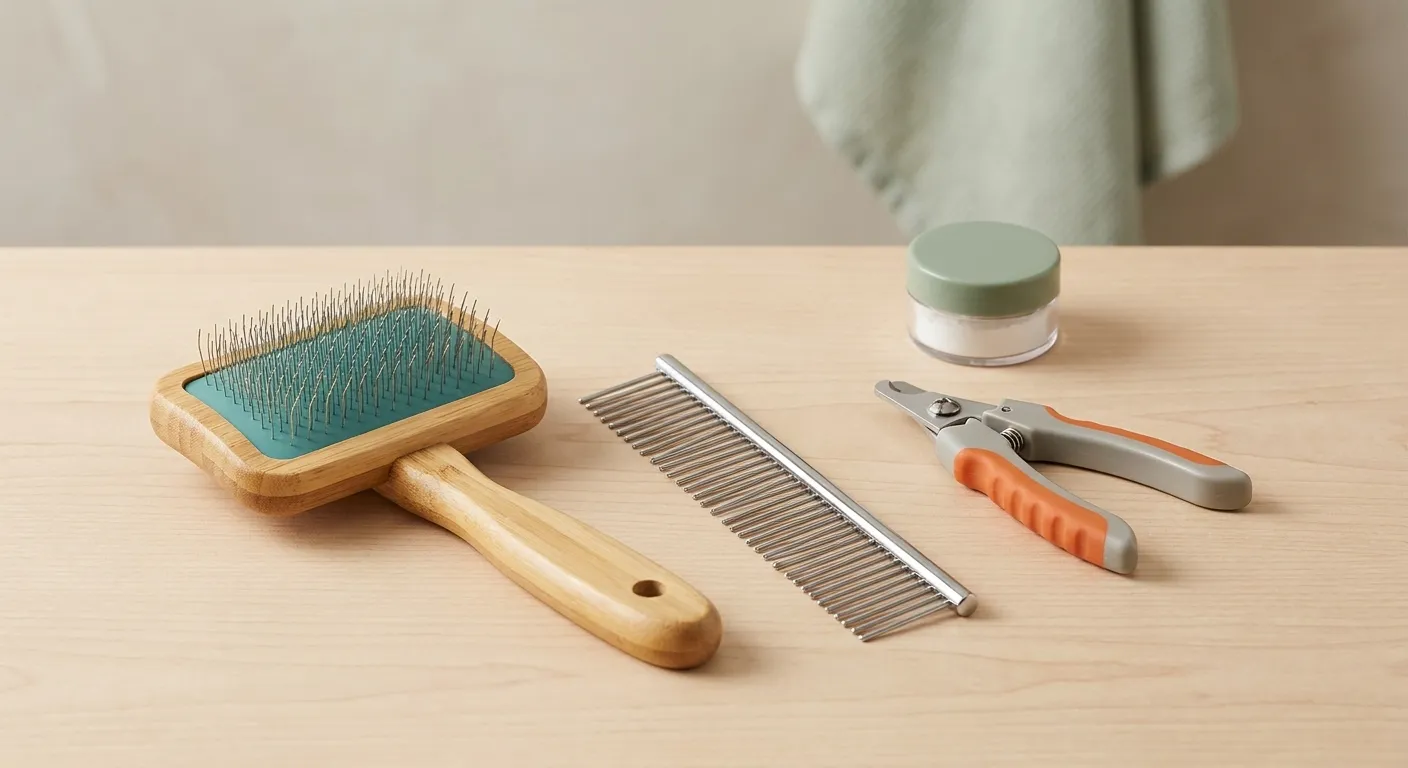
First on the list is a quality brush. The type of brush depends on your dog’s coat: a slicker brush is great for removing tangles and loose fur from most coat types, while a deshedding tool can significantly reduce shedding. For dogs with long or curly hair, a comb can help prevent mats. Indeed, choosing the right brush is crucial for preventing skin irritation and keeping their coat healthy. Regular brushing also helps distribute natural oils, promoting a shiny and vibrant coat. Moreover, it’s a great opportunity to check for any skin issues or parasites.
Nail clippers are another non-negotiable item. Choose between scissor-style or guillotine clippers, making sure they are sharp to ensure a clean cut. If you’re nervous about clipping, a nail grinder can be a gentler alternative. Proper nail care prevents discomfort and potential health problems. Overgrown nails can cause pain when walking, and in severe cases, they can grow into the paw pad, leading to infections. Therefore, familiarizing yourself with proper nail trimming techniques is incredibly beneficial. Many veterinarians and professional groomers offer demonstrations, which can be very helpful for new owners. Importantly, always have styptic powder on hand in case you accidentally cut too close to the quick.
Don’t forget dog-specific shampoo and conditioner, formulated to be gentle on their skin and coat, avoiding human products that can cause irritation. Human shampoos often have different pH levels that can dry out a dog’s skin and strip essential oils. Consequently, always opt for products specifically designed for canines. A good bath not only cleans but also helps manage shedding and can alleviate skin allergies. Furthermore, using a conditioner can help detangle fur and leave the coat soft and manageable. Make bath time a positive experience with plenty of praise and perhaps a few treats.
A reliable dog hairdryer, designed for pets, can significantly speed up drying time, especially for dogs with thick coats. Unlike human hairdryers, pet dryers have lower heat settings to prevent skin burns and are often more powerful. This helps prevent moisture from getting trapped against the skin, which can lead to fungal infections or hot spots. Investing in one of these grooming aids is a wise choice for comfort and health. Additionally, drying your dog thoroughly after a bath prevents them from getting cold, particularly in cooler weather.
Finally, a good quality grooming table with a non-slip surface and a grooming arm can make the entire process much easier and safer. This elevates your dog to a comfortable working height, reducing strain on your back. The grooming arm helps keep your dog still and secure, allowing you to focus on the task at hand. This is particularly useful for larger dogs or those who are a bit squirmy during grooming sessions. Consequently, it creates a more professional and controlled environment for home grooming.
Beyond the Basics: Ear and Dental Care with These Essential Dog Grooming Tools
While brushes and clippers are foundational, extending your grooming routine to include ear and dental care can prevent common health issues. A gentle ear cleaner, used with cotton balls (never cotton swabs), can help prevent ear infections, especially in dogs with floppy ears. Floppy-eared breeds are more prone to ear infections because air circulation is limited, creating a warm, moist environment perfect for bacteria and yeast. Regularly checking and cleaning their ears is a simple yet effective preventative measure. Always use a veterinarian-approved ear cleaner and follow the instructions carefully. If you notice any redness, foul odor, or excessive scratching, consult your vet immediately.
For dental health, a dog toothbrush and toothpaste are essential. Regular brushing helps prevent plaque buildup, gum disease, and bad breath. Dental hygiene is often overlooked but is critical for a dog’s overall health. Poor dental health can lead to serious systemic issues, affecting organs like the heart and kidneys. Introduce these tools slowly and positively, using treats and praise to make the experience enjoyable for your dog. Start with short sessions and gradually increase the duration as your dog becomes more comfortable. Consider exploring various chew toys designed to help clean teeth as a supplementary measure. Consistent, gentle handling from a young age will make grooming much easier for both of you.
Another excellent addition to your home grooming kit is a pair of blunt-nosed scissors. These are perfect for carefully trimming hair around the eyes, paws, and sanitary areas. Keeping these areas neat helps prevent matting and keeps your dog cleaner and more comfortable. For instance, long hair around the eyes can obstruct vision and cause irritation. Similarly, excessive hair between paw pads can collect dirt and debris, leading to discomfort or infection. Always use extreme caution when using scissors near your dog, and consider professional guidance if you’re unsure. A good pair of scissors is truly among the beneficial grooming supplies for any dog owner.
Furthermore, a shedding blade or rubber curry brush can be incredibly effective for removing loose hair, especially from short-coated dogs. These tools are designed to gently pull out dead hair without irritating the skin. Regular use can significantly reduce the amount of fur shed around your home, keeping both your dog and your living space cleaner. This is especially useful during seasonal shedding periods. Many owners find these particular dog grooming supplies to be indispensable for maintaining a tidy home. Moreover, the massaging action of a rubber curry brush can stimulate circulation and promote a healthy coat.
Consider adding a pet-specific lint roller or grooming glove to your collection. While not strictly a grooming tool for the dog’s health, these items are fantastic for quick clean-ups of loose fur on furniture or clothing, and the glove can also be used for a gentle massage while removing shedding hair from your dog. This makes the grooming routine more pleasant for both of you. It’s a simple way to keep your home tidier and your dog feeling pampered. These are easy-to-use home grooming tools that offer immediate benefits.
Tips for Successful Home Grooming with Essential Dog Grooming Tools
Establishing a routine is paramount. Dogs thrive on predictability, so try to groom your dog at the same time and in the same place each week or month, depending on their needs. This helps them understand what to expect and can reduce anxiety. Start with short sessions and gradually increase the duration as your dog becomes more accustomed to the process. Positive reinforcement, such as treats and praise, is your best friend during grooming. Make it a fun and rewarding experience.
Patience is a virtue, especially when introducing new essential dog grooming tools or techniques. Some dogs may be naturally apprehensive, but with consistent, gentle handling, most will learn to tolerate and even enjoy grooming. Never force your dog or use harsh methods, as this can create a negative association and make future grooming sessions much more difficult. If your dog shows signs of stress or aggression, take a break and try again later. Consider consulting a professional groomer or a certified dog trainer for guidance if you’re struggling. They can offer personalized advice and demonstrate proper techniques.
Safety should always be your top priority. Ensure all your essential dog grooming tools are clean and in good working order. Dull clippers can cause pain and splinter nails, while dirty brushes can spread bacteria. Always be mindful of your dog’s comfort and reactions. If you’re unsure about how to use a particular tool, seek professional advice or watch reputable instructional videos. Knowing when to stop or when to seek professional help is also a sign of responsible pet ownership. For example, if you encounter a persistent mat that you can’t safely remove, a professional groomer can often handle it without causing discomfort to your dog.
Regularly inspect your dog’s skin, coat, ears, and paws during grooming. This allows you to catch any potential health issues early, such as lumps, bumps, parasites, or skin irritations. Early detection can lead to more effective and less invasive treatment. Grooming is not just about aesthetics; it’s a comprehensive health check. If you find anything concerning, always consult your veterinarian. You can also monitor their overall health by regularly checking their ID tags & GPS trackers for wear and tear, ensuring they are always safe.
Finally, remember that home grooming is a journey, not a destination. There will be good days and challenging days. Celebrate small victories and don’t get discouraged by setbacks. The goal is to make grooming a positive and beneficial experience for both you and your dog. By investing in the right essential dog grooming tools and committing to a consistent routine, you are actively contributing to your dog’s overall well-being and strengthening your bond. Explore more helpful resources and products on our Blog for continued support.
The Best Essential Dog Grooming Tools for Every Coat Type
Different coat types require specific grooming approaches and, consequently, different essential dog grooming tools. Understanding your dog’s coat is key to effective and comfortable grooming. For short-haired breeds like Beagles or Boxers, a rubber curry brush or a shedding blade is ideal. These tools effectively remove loose hair and stimulate the skin without causing irritation. Regular use helps keep their coats sleek and minimizes shedding around the house. A soft bristle brush can also be used for a finishing shine and gentle massage.
For medium-haired dogs, such as Golden Retrievers or Australian Shepherds, a slicker brush combined with a deshedding tool is highly effective. The slicker brush helps remove tangles and mats, while the deshedding tool significantly reduces the amount of loose undercoat. A wide-toothed comb can also be useful for checking for any missed tangles, especially in feathering on legs and tails. These breeds often have a double coat, which requires thorough brushing to prevent matting and hot spots. Therefore, these grooming supplies are particularly important.
Long-haired breeds, like Shih Tzus or Yorkshire Terriers, demand a more extensive set of grooming supplies. A pin brush is excellent for detangling without pulling the hair, and a metal comb with both wide and fine teeth is indispensable for working through knots and ensuring the coat is thoroughly brushed. Additionally, blunt-nosed scissors are crucial for trimming hair around the eyes, paws, and sanitary areas to prevent matting and maintain hygiene. Regular, often daily, brushing is necessary for these breeds to prevent severe matting, which can be painful and lead to skin problems. Learning proper brushing techniques can save you a lot of time and your dog a lot of discomfort. For further reading, you might find this article on Dog Grooming Tips for Every Coat Type from the AKC helpful.
Curly-haired breeds, such as Poodles or Bichon Frises, benefit greatly from a slicker brush and a metal comb. Their coats are prone to matting if not brushed regularly. These dogs often require professional clipping every few weeks, but daily brushing at home keeps their coats in good condition between appointments. A good quality dematting spray can also be a helpful addition to your grooming kit for these breeds. Consistent home care means fewer painful mats and a more pleasant experience at the groomer. Thus, having these essential dog grooming tools is a game-changer for curly-coated companions.
Wire-haired breeds, like Terriers, have unique grooming needs. While some owners opt for professional stripping, regular brushing with a slicker brush and a stripping knife can help maintain their coat texture. These tools help remove dead hair from the follicle, which encourages the growth of new, wiry hair. Without proper care, their coats can become soft and lose their characteristic texture. A shedding blade can also be useful for these breeds to remove loose undercoat. Understanding the specific needs of your wire-haired friend ensures their coat remains healthy and true to its breed standard.
The Importance of Starting Early and Making Grooming Fun
Introducing your puppy to essential dog grooming tools and routines from a young age is one of the best things you can do for their long-term health and happiness. Puppies are generally more adaptable and open to new experiences. Start with short, positive sessions, using lots of treats and praise. Let them sniff and investigate the brushes and clippers before you even start using them. This helps build a positive association with the tools themselves. Gentle handling of their paws, ears, and mouth from an early age will make nail trims, ear cleaning, and teeth brushing much easier as they grow. Moreover, it fosters a sense of trust between you and your puppy.
Make grooming a bonding experience rather than a chore. Talk to your dog in a calm, soothing voice. Use gentle strokes and always be mindful of their comfort level. If they seem stressed, take a break. You can even incorporate short play sessions before or after grooming to make it more enjoyable. For instance, a quick game with interactive toys can help them relax and associate grooming with positive activities. The goal is to create a routine that your dog looks forward to, or at least tolerates happily. Consistent positive reinforcement shapes their perception of grooming significantly.
Even for older dogs who may not have been regularly groomed as puppies, it’s never too late to start. You might need more patience and a slower approach, but with consistency and positive reinforcement, most dogs can learn to accept and even enjoy grooming sessions. Remember to be extra gentle with senior dogs, as they may have arthritis or other joint issues that make certain positions uncomfortable. Adjust your grooming setup to accommodate their needs, perhaps using extra padding on the grooming table. Always prioritize their comfort and well-being. For more information on pet care, you can visit ASPCA Pet Care.
Investing in essential dog grooming tools and establishing a routine at home is a proactive step in maintaining your dog’s overall health and happiness. With these practical tools, you can keep your dog looking and feeling their best, fostering a stronger bond in the process. Remember, a well-groomed dog is often a healthier and happier dog, and you’re the best person to ensure they receive that care. By providing consistent, loving attention through grooming, you are truly enhancing their quality of life.
FAQ
What are the most important dog grooming supplies for a new puppy owner?
For a new puppy owner, the most important items include a soft puppy brush, gentle nail clippers (or a grinder), puppy-specific shampoo, and a dog toothbrush with puppy toothpaste. Introducing these early helps your puppy get accustomed to grooming routines.
How often should I use home grooming tools on my dog?
The frequency depends on your dog’s breed, coat type, and lifestyle. Generally, most dogs benefit from brushing a few times a week, while nail trims might be needed every 2-4 weeks. Baths are typically every 4-6 weeks, or as needed. Always observe your dog’s specific needs.
Can I use human shampoo on my dog?
No, it’s strongly recommended to use dog-specific shampoo. Human shampoos have a different pH balance and can strip your dog’s skin of natural oils, leading to dryness, irritation, or other skin problems. Always choose products formulated for canine skin and coat.
What if my dog hates having their nails trimmed?
Many dogs dislike nail trimming. Start slowly with positive reinforcement, offering treats and praise. You can try a nail grinder as an alternative to clippers, which some dogs tolerate better. If your dog is still very anxious, consult a professional groomer or veterinarian for assistance and guidance on desensitization techniques.
How can I make grooming a positive experience for my dog?
Make grooming a positive experience by starting with short sessions, using plenty of treats and praise, and speaking in a calm, soothing voice. Introduce new tools slowly and never force your dog. Consistency and patience are key to building a positive association with grooming.