Grooming often feels like just another chore, or perhaps a luxury for pampered pups. However, the regular benefits of dog grooming extend far beyond maintaining a tidy appearance. It’s a crucial component of your dog’s overall health, comfort, and well-being, impacting everything from skin health to early detection of potential issues. Understanding these advantages can make grooming a more valued part of your routine.
For many dog owners, the idea of grooming conjures images of fancy haircuts or elaborate pampering sessions. Yet, the truth is much simpler and far more important. Regular grooming is a fundamental aspect of responsible pet ownership, essential for dogs of all breeds and sizes. It’s about ensuring your furry friend is healthy, happy, and comfortable in their own skin. Moreover, it strengthens the bond you share, as grooming time can be a peaceful, positive interaction.
The Many Benefits of Dog Grooming
Let’s explore the many ways regular grooming contributes to your dog’s overall wellness. From maintaining a healthy coat to preventing serious health problems, the advantages are significant. Prioritizing these routines helps your dog thrive.
1. Healthier Skin and Coat
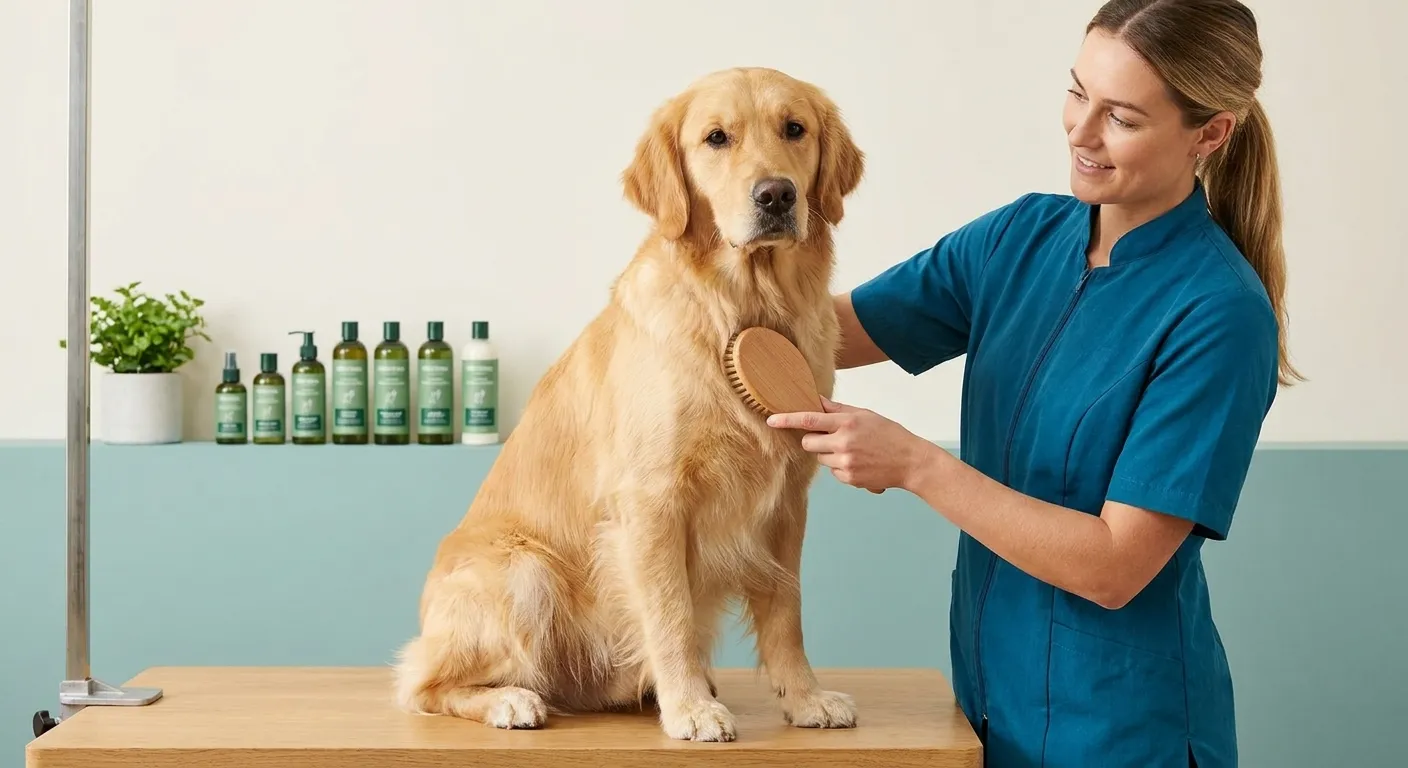
Regular brushing distributes natural oils throughout your dog’s fur. This prevents dryness and promotes a shiny, healthy coat. It also helps remove loose fur, dirt, and debris that can irritate the skin or lead to matting. Matted fur can pull on the skin, causing pain and creating a breeding ground for parasites and infections. Furthermore, consistent brushing stimulates blood flow to the skin, which encourages healthy hair growth and can even reduce shedding. This is a key aspect of the comprehensive benefits of dog grooming.
Ignoring coat care can lead to painful tangles and mats, especially in dogs with longer or thicker fur. These mats can be incredibly uncomfortable, restricting movement and causing skin irritation underneath. In severe cases, mats can even cut off circulation or hide skin infections. Therefore, a consistent brushing schedule is not just for aesthetics; it’s a vital preventative measure for your dog’s comfort and health. Consider investing in quality brushes appropriate for your dog’s coat type to make this process easier and more enjoyable for both of you.
2. Early Detection of Health Issues
Grooming provides an excellent opportunity to perform a head-to-tail check of your dog. While brushing or bathing, you might notice new lumps, bumps, skin irritations, parasites (like fleas or ticks), sore spots, or changes in their coat that you might otherwise miss. Catching these issues early can lead to faster, more effective treatment. For instance, a small cut or rash, if left unnoticed, could become a serious infection. This vigilance is one of the profound benefits of dog grooming.
During grooming sessions, pay close attention to any unusual smells coming from their ears or skin, which could indicate an infection. Feel for any swelling or tenderness around joints. Check their eyes for discharge or redness, and their teeth for tartar buildup or broken teeth. These routine checks are invaluable. Early detection can prevent minor problems from escalating into major health concerns, potentially saving you stress and veterinary costs down the line. It’s truly a proactive approach to your dog’s healthcare.
3. Nail and Paw Health
Trimming nails regularly prevents them from growing too long. Long nails can cause discomfort, pain, and even lead to skeletal problems over time. They can also snag and tear, which is very painful for your dog. Furthermore, overgrown nails can alter your dog’s gait, putting undue stress on their joints and spine. This is a common issue that many owners overlook.
Grooming also involves checking paw pads for cuts, cracks, or embedded foreign objects like thorns or small stones. These can be incredibly painful and make walking difficult. Keeping paw pads clean and moisturized can prevent cracking, especially in extreme weather. Ensuring your dog can walk comfortably is essential for their overall well-being and mobility. Properly maintained paws contribute significantly to the overall benefits of dog grooming.
If you’re unsure how to trim your dog’s nails safely, speak to your vet or a professional groomer. They can demonstrate the correct technique and recommend appropriate tools. Regular paw checks are also crucial if your dog spends a lot of time outdoors or on rough surfaces. Some dogs benefit from paw balms to keep their pads supple and protected, especially during hot summers or cold winters.
4. Improved Hygiene and Comfort
Regular baths keep your dog clean, significantly reducing odors and allergens. This makes your home a more pleasant environment and can be especially helpful for family members with allergies. Cleaning ears helps prevent infections, as moisture and debris can accumulate in the ear canal, creating a perfect breeding ground for bacteria and yeast. This is an important part of the comprehensive benefits of dog grooming.
Dental care, such as regular brushing, is vital for preventing periodontal disease. Periodontal disease is a serious condition that can lead to pain, tooth loss, and even impact overall systemic health by allowing bacteria to enter the bloodstream. A well-groomed dog is a more comfortable dog, free from tangles, dirt, and overgrown nails. They simply feel better, which translates into a happier demeanor.
Beyond baths, ear cleaning, and dental care, regular grooming also includes checking and cleaning around your dog’s eyes to prevent tear staining and irritation. Maintaining good hygiene prevents many common ailments and enhances your dog’s quality of life. For more tips on keeping your dog stimulated and happy, explore our range of interactive toys and puzzle toys.
5. Strengthening Your Bond
Grooming isn’t just a task; it’s an opportunity to spend quality time with your dog. These quiet, focused moments can deepen the connection between you and your pet. It allows for gentle handling and positive reinforcement, helping your dog feel more secure and loved. Over time, many dogs come to enjoy their grooming sessions, seeing them as a special time with their favorite human.
This regular, gentle handling also helps your dog become more accustomed to being touched, which can make veterinary visits less stressful. It teaches them patience and trust. Furthermore, the act of caring for your dog in such a direct way reinforces your role as a loving provider. The emotional benefits of dog grooming for both owner and pet are often underestimated but are profoundly impactful.
6. Preventing Parasites and Pests
Regular grooming, particularly brushing and bathing, is an excellent first line of defense against fleas, ticks, and other external parasites. While brushing, you can visually inspect your dog’s coat and skin for any signs of these unwelcome guests. Early detection means you can address the problem quickly, preventing infestations that can be difficult to eradicate and harmful to your dog’s health.
Ticks, for example, can transmit serious diseases, and removing them promptly is crucial. Fleas cause intense itching and can lead to skin infections and even anemia in severe cases, especially in puppies. By making parasite checks a routine part of your grooming, you’re actively protecting your dog from these threats. This proactive approach is a significant part of the overall benefits of dog grooming, keeping your dog healthy and comfortable.
Always check hidden areas where parasites love to hide, such as behind the ears, in the armpits, and between the toes. If you do find parasites, consult your vet for the best treatment plan. Combining regular grooming with veterinarian-recommended parasite prevention products provides the best protection for your furry friend.
7. Temperature Regulation
A well-maintained coat plays a vital role in your dog’s ability to regulate their body temperature. For many breeds, their coat provides insulation against both cold and heat. A matted coat, however, can trap heat in the summer and prevent proper air circulation, leading to overheating. In winter, a dirty or matted coat loses its insulating properties, making your dog more susceptible to the cold.
Regular brushing removes dead undercoat and allows the healthy outer coat to function as intended. This ensures your dog stays cooler in summer and warmer in winter. For some breeds, professional grooming might include specific trims that further aid in temperature regulation, always keeping the breed’s natural coat function in mind. Understanding how proper coat maintenance aids in temperature control truly highlights the practical benefits of dog grooming.
It’s important to remember that not all dogs should be shaved in summer, as their natural coat provides protection from the sun’s harsh rays. Always research your specific breed’s grooming needs or consult a professional groomer to ensure you’re making the best choices for your dog’s comfort and health. For dogs who enjoy outdoor adventures, consider safety gear like safety vests to keep them protected.
8. Behavioral Benefits
A dog that is comfortable and free from pain is generally a happier dog. Irritations from matted fur, overgrown nails, or skin issues can make a dog grumpy, anxious, or even aggressive. Regular grooming alleviates these physical discomforts, contributing to a more balanced and pleasant temperament. Furthermore, the routine of grooming itself can be calming for many dogs, providing a predictable and positive experience.
Dogs who are regularly groomed often have higher self-esteem and are more comfortable interacting with people and other dogs. They feel better, and this translates into their behavior. The attention and care received during grooming can also reduce anxiety and stress, making them more adaptable and sociable pets. This aspect of well-being is another powerful reason to embrace the full benefits of dog grooming.
If your dog is anxious about grooming, start with short, positive sessions and gradually increase the duration. Use plenty of treats and praise to create a positive association. Patience and consistency are key to helping your dog view grooming as a positive experience. You might also find that certain chew toys can help distract and soothe them during grooming sessions.
Making Grooming a Positive Experience
To ensure your dog enjoys the benefits of dog grooming, it’s helpful to introduce grooming routines early in their life. Start with gentle brushing and paw handling, making it a positive experience with treats and praise. Consistency is key, as dogs thrive on routine. If your dog is particularly resistant, consider seeking guidance from a professional groomer or your veterinarian.
Investing in the right grooming tools, such as quality brushes, combs, and nail clippers, can make a significant difference. Ensure they are appropriate for your dog’s coat type and size. Remember, grooming is not just about keeping your dog looking good; it’s about their overall health and happiness. By embracing regular grooming, you are actively contributing to a longer, healthier, and more joyful life for your beloved canine companion.
Embracing regular grooming as a routine health practice offers significant benefits of dog grooming for your dog. It’s a fundamental aspect of responsible pet ownership that contributes to a happier, healthier, and more comfortable life for your beloved companion. This consistent care helps prevent many common health issues and fosters a stronger bond between you and your furry friend. For more expert advice and quality products, feel free to visit our blog.
Conclusion
The benefits of dog grooming extend far beyond just keeping your pet looking neat. It’s a comprehensive approach to their health, comfort, and emotional well-being. From maintaining a healthy coat and skin to early detection of medical issues, ensuring proper paw health, and fostering a stronger bond, regular grooming is an indispensable part of responsible dog ownership. By making grooming a consistent and positive part of your routine, you are investing in your dog’s long-term health and happiness. This commitment ensures your furry family member enjoys a life full of vitality and comfort, truly thriving under your care. Remember, a well-groomed dog is a healthy and happy dog.
For further reading on pet care and health, you can consult reputable sources such as the American Kennel Club’s grooming guidelines or the ASPCA’s dog grooming tips.
FAQ
Why is regular dog care important?
Regular dog care is vital because it contributes to your dog’s overall health, comfort, and happiness. It helps maintain a healthy coat and skin, prevents painful matting, and allows for early detection of potential health issues like lumps or parasites. It also keeps nails at a healthy length, preventing discomfort and skeletal problems.
How often should I groom my dog?
The frequency of grooming depends largely on your dog’s breed, coat type, and lifestyle. Short-haired breeds might only need brushing once a week and baths every 1-3 months. Long-haired or double-coated breeds often require daily brushing and professional grooming every 4-8 weeks. Nail trims typically happen every 2-4 weeks. Always consult with a vet or professional groomer for specific recommendations for your dog.
What are the signs of a poorly groomed dog?
Signs of a poorly groomed dog include matted or tangled fur, a dull or greasy coat, strong odors, overgrown nails that click on the floor, dirty ears with discharge or a foul smell, and visible parasites like fleas or ticks. Your dog might also seem uncomfortable, itchy, or reluctant to walk.
Can I groom my dog at home?
Yes, many aspects of dog grooming can be done at home, such as regular brushing, occasional baths, and checking paws and ears. However, tasks like nail trimming, ear cleaning, and intricate coat trims can be challenging and are often best left to a professional groomer, especially if you’re new to it. It’s important to use appropriate tools and techniques to avoid injuring your dog.
Does grooming help with shedding?
Yes, regular brushing is highly effective in managing shedding. It removes loose and dead hair from your dog’s coat before it has a chance to fall out around your home. For double-coated breeds, specialized de-shedding tools can significantly reduce the amount of fur shed, keeping their coat healthy and your home cleaner.
What if my dog doesn’t like being groomed?
If your dog dislikes grooming, start slowly with short, positive sessions. Use plenty of treats and praise to create a positive association. Focus on one small area at a time and gradually increase the duration. If anxiety persists, consider consulting a professional groomer or a veterinary behaviorist for guidance. Patience, consistency, and positive reinforcement are key to helping your dog become more comfortable with the process.