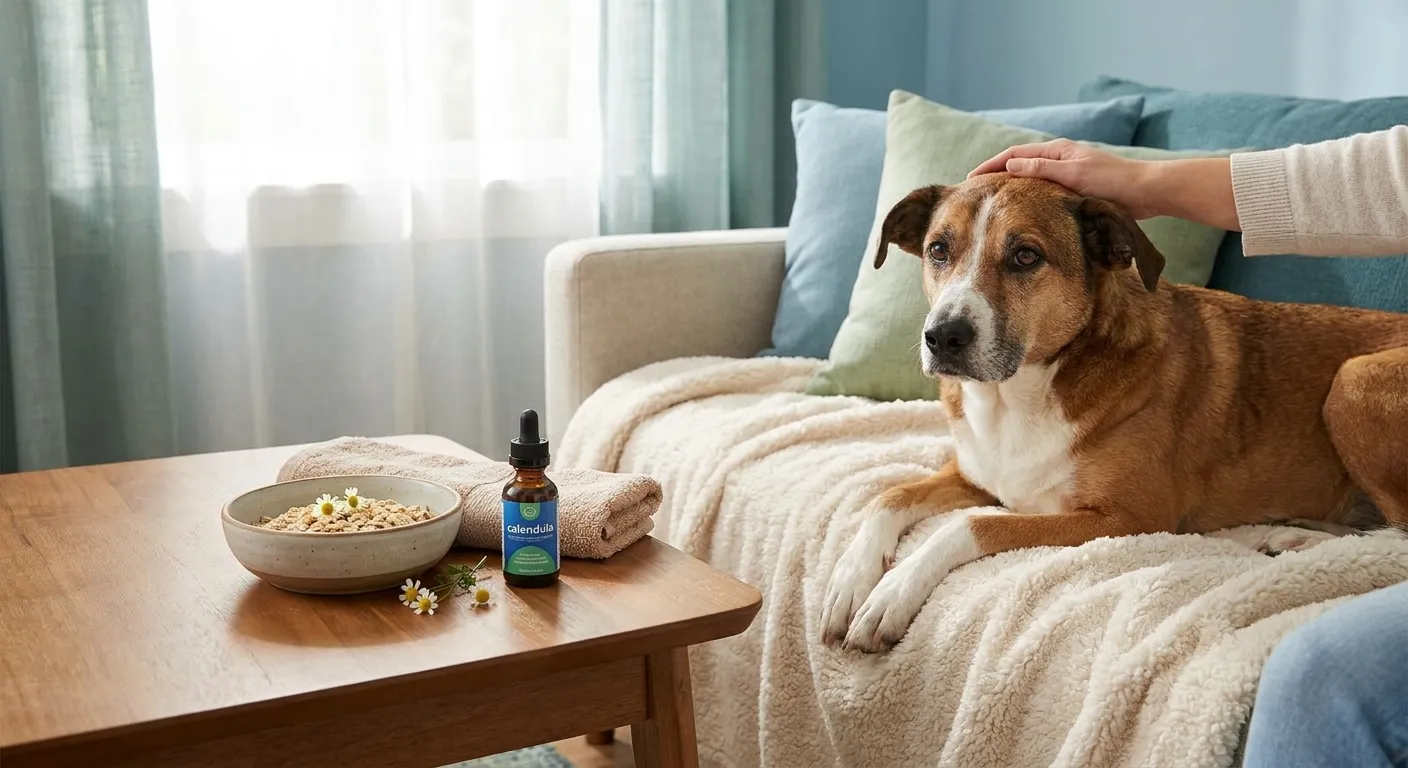
As pet parents, we’ve all faced those moments when our dog has a minor sniffle, an upset tummy, or a small cut. While a vet visit is always necessary for serious concerns, knowing a few simple, safe dog home remedies can provide comfort for minor issues and help you determine when professional help is truly needed. Always consult your vet before trying any new remedies, especially if your dog has underlying health conditions. Furthermore, recognizing the signs that indicate a trip to the veterinarian is crucial for your pet’s well-being.
Understanding When to Use Pet Home Remedies
It’s natural to want to help your furry friend feel better quickly. Therefore, understanding the difference between minor ailments and serious conditions is paramount. Simple pet care solutions are best suited for temporary discomfort, such as a mild upset stomach after eating something unusual, a small scratch from playing, or occasional dry skin. However, if symptoms are severe, persistent, or worsen, professional veterinary attention is always the correct course of action. For example, if your dog is lethargic, has a high fever, or is experiencing severe pain, these are clear indicators that a vet visit cannot wait. Being prepared with basic first-aid knowledge and supplies can make a big difference in these situations, offering immediate relief while you assess the need for further care.
The Importance of Consulting Your Veterinarian First
Before attempting any new treatment, even seemingly harmless dog home remedies, it’s vital to speak with your veterinarian. Your vet knows your dog’s medical history, including any allergies or existing conditions that could be affected by certain remedies. Moreover, what might be safe for one dog could be harmful to another. For instance, some essential oils, while popular in human remedies, can be toxic to dogs. A quick phone call can provide peace of mind and ensure you’re making the best choices for your pet’s health. This proactive step helps prevent potential complications and ensures your dog receives appropriate care from the start.
Effective Dog Home Remedies for Common Minor Ailments
Let’s explore some practical and gentle solutions for everyday doggy discomfort. These suggestions are designed to offer temporary relief and should always be used with caution and veterinary guidance.
1. Upset Stomach (Diarrhea/Vomiting)
For mild, non-severe cases of an upset tummy, a bland diet can often help settle your dog’s digestive system. Specifically, offer small, frequent meals of plain boiled chicken (skinless, boneless) and white rice. These ingredients are easy to digest and provide essential nutrients without irritating the stomach. Furthermore, ensure constant access to fresh water to prevent dehydration, which can quickly become a serious concern with vomiting or diarrhea. If vomiting or diarrhea persists for more than 24 hours, or your dog seems lethargic, in pain, or shows other concerning symptoms, contact your vet immediately. Early intervention is key to preventing more serious health issues.
2. Minor Cuts or Scrapes
Accidents happen, and minor cuts or scrapes are common, especially for active dogs. To treat these, first, clean the wound gently with mild, unperfumed soap and water or a pet-safe antiseptic solution. You might need to trim hair around the area if it’s interfering with cleaning or visibility. Subsequently, you can apply a thin layer of antibiotic ointment (ensure it’s safe for dogs and they don’t lick it off, perhaps by using a cone). If necessary, cover the wound with a sterile bandage to keep it clean and protected. Monitor the area closely for signs of infection like redness, swelling, pus, or increased pain. If the cut is deep, bleeding heavily, doesn’t heal within a few days, or shows signs of infection, seek veterinary attention promptly. Your vet can assess the wound and recommend appropriate treatment, which might include stitches or stronger antibiotics.
3. Dry, Itchy Skin (Non-Allergic)
Just like humans, dogs can experience dry and itchy skin, especially during certain seasons or due to environmental factors. For general dryness, adding a small amount of omega-3 fatty acids (like fish oil, specifically formulated for dogs) to their food can significantly improve skin and coat health. These fatty acids help maintain the skin’s natural barrier. Oatmeal baths are another excellent way to soothe itchy skin. You can use a colloidal oatmeal shampoo or grind plain oatmeal into a fine powder and add it to warm bathwater. Allow your dog to soak for 10-15 minutes, then rinse thoroughly to avoid residue, which can cause further irritation. If the itching persists or is accompanied by redness, hair loss, or scabs, it’s best to consult your vet to rule out allergies or other underlying skin conditions. Sometimes, what seems like simple dryness can be a symptom of a larger issue.
4. Mild Paw Irritation or Soreness
Your dog’s paws take a lot of abuse from walking on various surfaces. Consequently, mild irritation or soreness can occur. After a walk, especially on hot pavement or rough terrain, inspect their paws for small cuts, abrasions, or dryness. You can soothe sore paws by soaking them in cool water for a few minutes. Additionally, applying a paw balm or coconut oil can help moisturize dry, cracked pads. Ensure the balm is pet-safe, as dogs tend to lick their paws. If you notice persistent limping, swelling, deep cuts, or foreign objects embedded in the paw, it’s time for a vet visit. Regular paw care, including checking between the pads for debris, can prevent many minor issues. For instance, consider using safety vests for walks in challenging environments, as they often come with reflective elements that can also help you see where your dog is stepping.
5. Minor Ear Irritation or Wax Buildup
Dogs, particularly those with floppy ears, can sometimes experience minor ear irritation or excessive wax buildup. Gently cleaning the outer ear with a vet-approved ear cleaner can help. Apply a small amount of cleaner to a cotton ball and wipe the visible parts of the ear. Never insert anything into your dog’s ear canal, as this can cause damage. If you notice a foul odor, excessive scratching, head shaking, redness, swelling, or discharge, these are signs of a potential ear infection, which requires immediate veterinary attention. Untreated ear infections can be very painful and lead to more serious complications. Regular ear checks as part of your grooming routine can help catch issues early. Furthermore, for general well-being and to prevent your dog from being distracted by discomfort, consider the benefits of interactive toys to keep their mind engaged.
6. Bad Breath (Mild, Not Related to Dental Disease)
While persistent bad breath often signals dental disease and requires professional cleaning, occasional mild bad breath can sometimes be addressed at home. Brushing your dog’s teeth regularly with dog-specific toothpaste is the most effective preventative measure. For a quick refresh, you can add a vet-approved dental additive to their water or offer dental chews. Certain natural ingredients, like parsley, can also help neutralize odors; a small amount can be mixed into their food. However, if the bad breath is severe, accompanied by drooling, difficulty eating, or visible gum issues, it’s crucial to consult your vet. Dental health is a significant part of your dog’s overall well-being, and neglecting it can lead to other health problems. Moreover, ensuring your dog’s comfort extends to all aspects of their health, including their oral hygiene.
Creating a Doggy First-Aid Kit for Home
Being prepared is half the battle when it comes to managing minor pet issues. Therefore, assembling a basic doggy first-aid kit can give you peace of mind. Here are some essentials to include:
- Antiseptic wipes or solution: For cleaning minor wounds.
- Sterile gauze pads and bandages: To cover cuts and scrapes.
- Adhesive tape: Pet-specific, as human tape can irritate skin.
- Antibiotic ointment: Vet-approved for topical use.
- Blunt-tipped scissors: For trimming hair around wounds or cutting bandages.
- Tweezers: To remove splinters or ticks.
- Cotton balls and swabs: For applying solutions.
- Digital thermometer: To check your dog’s temperature (rectal is most accurate).
- Pet-safe ear cleaner: For routine ear hygiene.
- Paw balm or coconut oil: For dry or cracked paw pads.
- Emergency contact information: Your vet, emergency vet clinic, and a pet poison control number.
- Cone collar (E-collar): To prevent licking of wounds or remedies.
Having these items readily available means you can act quickly when a minor issue arises. Furthermore, knowing where everything is located saves valuable time during stressful situations. It’s a small effort that can make a big difference in your dog’s comfort and recovery.
When to Seek Professional Veterinary Care
While dog home remedies can be helpful for minor issues, it’s absolutely critical to know when to seek professional veterinary care. Delaying a vet visit for serious conditions can have severe consequences. Here are clear indicators that your dog needs to see a vet:
- Persistent vomiting or diarrhea: Lasting more than 24 hours, or if accompanied by blood, lethargy, or pain.
- Difficulty breathing: Labored breathing, gasping, or persistent coughing.
- Severe lameness or inability to bear weight: Suggests a serious injury or broken bone.
- Lethargy or extreme weakness: A significant change in energy levels.
- Loss of appetite or thirst: Especially if prolonged.
- Swelling or severe pain: Anywhere on the body.
- Non-healing wounds: Cuts that are deep, bleeding profusely, infected, or not improving.
- Ingestion of toxins: Suspected poisoning from plants, chemicals, or human medications.
- Changes in urination or defecation: Straining, blood in urine/stool, or accidents from a house-trained dog.
- Eye injuries or persistent discharge: Eyes are very delicate and require immediate attention.
- Seizures: Any seizure activity warrants an emergency vet visit.
Trust your instincts as a pet parent. If something feels off, or you’re worried, it’s always best to err on the side of caution and contact your vet. They are the best resource for diagnosing and treating your dog’s health concerns. Remember, these simple care tips are for minor discomforts, not substitutes for expert medical advice. For more information on pet safety, consider exploring resources on ID tags & GPS trackers, which can be invaluable in emergency situations.
Preventative Measures for a Healthy Dog
Beyond knowing simple pet remedies, focusing on preventative care is the best way to keep your dog healthy and minimize the need for home treatments. Regular vet check-ups are fundamental for early detection of potential issues. Consistent vaccination schedules and parasite prevention (fleas, ticks, heartworm) are also crucial. A balanced diet, appropriate for your dog’s age, breed, and activity level, plays a huge role in their overall health and immune system strength. Furthermore, regular exercise keeps their body strong and mind active, contributing to fewer health problems. Good grooming habits, including regular brushing, nail trims, and dental care, can prevent many common ailments like skin issues or dental disease. By taking these proactive steps, you’ll not only enhance your dog’s quality of life but also reduce the frequency of minor health concerns. This approach allows you to focus more on fun activities, like playing with puzzle toys, and less on worrying about their health.
Conclusion
Understanding and applying simple dog home remedies for minor issues can be a valuable skill for any pet parent. It empowers you to provide immediate comfort to your furry friend and helps you discern when professional veterinary care is truly necessary. While these tips offer temporary relief, they are never a substitute for the expert advice and treatment your veterinarian provides. Always consult your vet before trying new remedies, and trust your intuition if your dog’s condition seems to worsen or persist. By being prepared, informed, and proactive, you can ensure your beloved companion remains happy, healthy, and comfortable in their home. Your commitment to their well-being truly makes a difference in their everyday lives. For further general information and tips, you can always visit our blog.
FAQ
What are some common minor issues I can treat at home for my dog?
You can often address mild upset stomachs with a bland diet, clean minor cuts and scrapes, and soothe dry, itchy skin with oatmeal baths or omega-3 supplements. Remember, these are for very minor, non-severe situations only.
When should I definitely take my dog to the vet instead of using a pet care solution?
Always go to the vet if your dog has persistent vomiting or diarrhea (over 24 hours), difficulty breathing, severe pain, lethargy, non-healing wounds, suspected poisoning, or any sudden, concerning change in behavior or health.
Are there any natural solutions that are dangerous for dogs?
Yes, some natural remedies safe for humans can be toxic to dogs. For example, many essential oils, garlic, and certain herbs can be harmful. Always research thoroughly and consult your vet before giving your dog any new substance.
How can I prevent my dog from needing these simple care tips as often?
Focus on preventative care: regular vet check-ups, a balanced diet, consistent exercise, proper grooming, and parasite prevention. These steps contribute significantly to your dog’s overall health and well-being.
What should be in a basic pet first-aid kit?
A good kit includes antiseptic wipes, sterile gauze, bandages, pet-safe antibiotic ointment, blunt scissors, tweezers, cotton balls, a digital thermometer, ear cleaner, paw balm, and emergency contact information.
Can I give my dog human medication for an ailment?
No, never give your dog human medication unless specifically instructed by your veterinarian. Many human medications are toxic to dogs, and dosages are very different. Always seek professional advice.