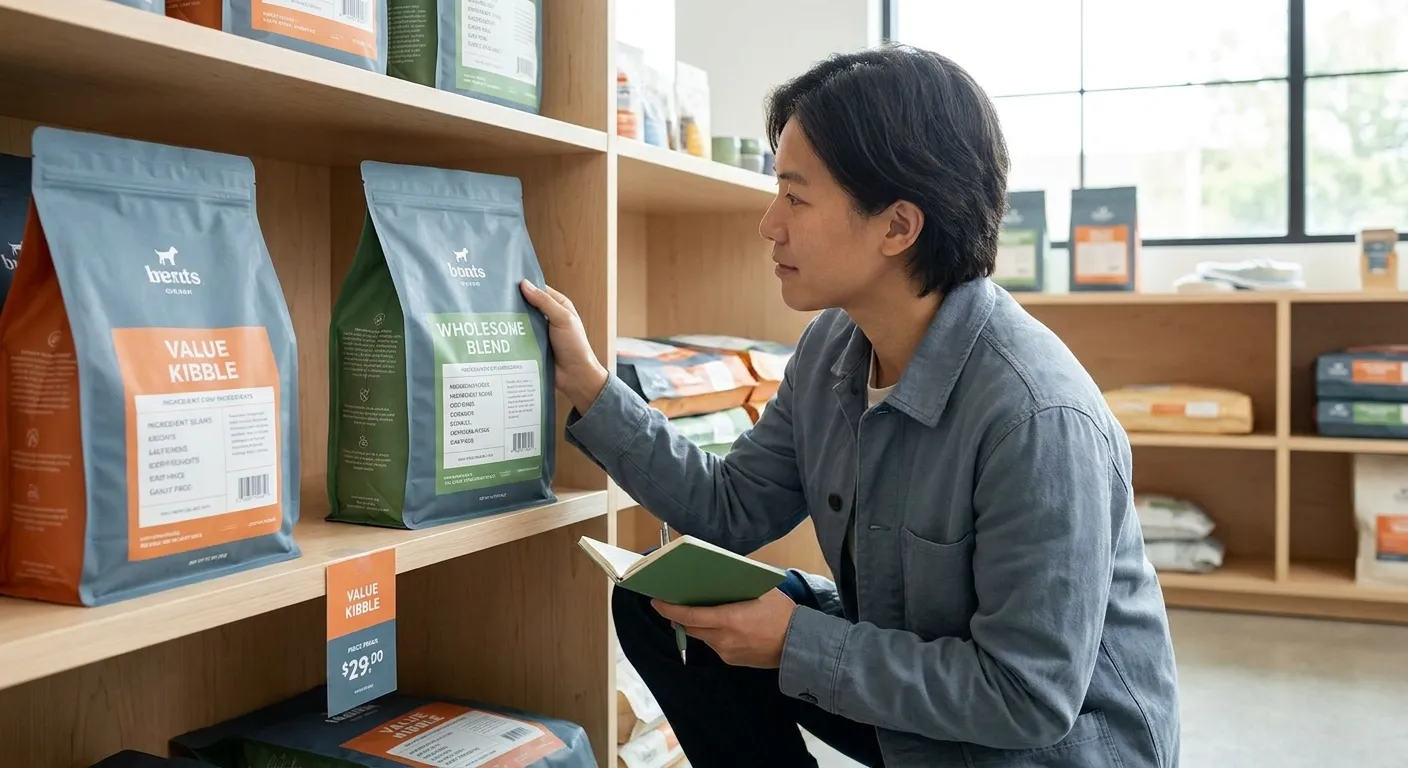
As a new dog mom, like Sarah welcoming Max into her home, one of the biggest decisions you’ll face is what to feed your furry family member. The pet food aisle can be overwhelming, filled with countless brands, ingredients, and price points. Add to that the current economic climate, where “petflation” is a prominent trend with rising costs for pet food, and the challenge of choosing affordable dog food without compromising on Max’s well-being becomes even more pressing. Rest assured, it is entirely possible to find quality nutrition that fits your budget, and Doggy Stuff Shop is here to guide you.
Navigating “Petflation” When Choosing Affordable Dog Food
The U.S. pet industry has seen significant growth, but this comes with increased costs. Reports indicate the average U.S. pet parent spent approximately $2,360 on their pet in 2025, with health-related expenses alone exceeding $1,100 annually. This environment has led to a crucial shift in consumer behavior: value-seeking. This doesn’t mean simply buying the cheapest option. Instead, it means scrutinizing products to ensure they justify their cost through demonstrable health benefits, convenience, or quality. When it comes to your dog’s food, this translates to finding options that offer the best nutritional value for your dollar, ensuring Max thrives without breaking your bank.
What to Look for in Quality Dog Food (Beyond the Price Tag)
Before you even consider the price, understanding what constitutes a good dog food is paramount. Prioritizing your pet’s safety and well-being means making informed choices about their diet.
Understanding Ingredient Labels
- Prioritize Whole Protein Sources: Look for meat (e.g., chicken, beef, lamb, fish) as the first ingredient. This indicates a high-quality protein base, essential for muscle development and energy. Words like “meal” (e.g., chicken meal) are also good, as they signify a concentrated protein source.
- Avoid Excessive Fillers: While some grains and vegetables are healthy, avoid foods with corn, wheat, or soy as primary ingredients, especially if they appear multiple times at the top of the list. These can sometimes be used as cheap fillers with less nutritional value.
- Steer Clear of Artificial Additives: Artificial colors, flavors, and preservatives offer no nutritional benefit and are best avoided. Look for natural preservatives like mixed tocopherols (Vitamin E).
- Human-Grade Ingredients: While a growing trend (with companies like The Farmer’s Dog and Spot and Tango offering personalized fresh meals), human-grade ingredients often come with a premium price. If your budget doesn’t allow for this, focus on high-quality, pet-grade ingredients from reputable brands that prioritize safety and nutrition.
Nutritional Adequacy Statements
Always check for an AAFCO (Association of American Feed Control Officials) statement on the label. This statement confirms the food is nutritionally complete and balanced for a specific life stage (e.g., “for all life stages,” “for adult maintenance,” or “for growth”). This is a critical indicator of a food’s quality, regardless of its cost. Without this statement, you cannot be certain the food provides all the necessary nutrients for your dog’s health.
Understanding Different Food Types
The market offers various dog food types, each with its own price point and benefits. Dry kibble is generally the most budget-friendly option. Wet food, while often more palatable, can be pricier. Fresh or raw diets are typically the most expensive. When choosing affordable dog food, consider a high-quality kibble as your base, perhaps supplementing with small amounts of wet food for variety or added moisture.
Smart Strategies for Finding Budget-Friendly Dog Food Options
It’s entirely possible to provide excellent nutrition without overspending. Here are some practical tips for finding quality food that respects your budget.
Compare Unit Prices, Not Just Bag Prices
When shopping for dog food, comparing the price per pound or per ounce is far more informative than just looking at the total cost of the bag. A larger bag might seem more expensive initially, but it often offers a lower unit price, making it more economical in the long run. This simple trick helps you identify the true value.
Consider Store Brands or Generic Options
Many reputable pet supply stores and even some grocery chains offer their own brands of dog food. Often, these are manufactured by the same companies that produce premium brands but are sold at a lower price point. Always check the ingredient list and AAFCO statement to ensure they meet your quality criteria. You might be surprised by the excellent quality available.
Buy in Bulk When Possible
If you have storage space and your dog goes through food quickly, buying larger bags can significantly reduce your cost per serving. However, be mindful of expiration dates and proper storage to maintain freshness. Storing food in an airtight container in a cool, dry place is crucial to prevent spoilage and maintain nutritional integrity. This strategy is particularly effective when you’re confident your dog likes a specific food and it agrees with them.
Look for Sales, Coupons, and Loyalty Programs
Keep an eye out for sales events at your local pet stores or online retailers. Sign up for newsletters to receive coupons and promotions. Many stores also offer loyalty programs that provide discounts or free bags of food after a certain number of purchases. These programs can add up to significant savings over time. For example, many pet stores offer a “buy 10, get 1 free” deal on specific food brands, which can be a great way to save money on your dog’s diet.
Consult Your Veterinarian
Your veterinarian is an invaluable resource when it comes to your dog’s nutrition. They can recommend specific brands or types of food that are appropriate for your dog’s age, breed, activity level, and any specific health concerns, while also keeping your budget in mind. They can also help you understand ingredient labels and navigate the vast array of options. Do not hesitate to discuss your financial considerations with them; they can often suggest excellent, budget-friendly choices.
Consider a Mix-and-Match Approach
Sometimes, a completely premium diet might be out of reach. In such cases, consider a “mix-and-match” approach. You could feed a high-quality, affordable kibble as the main diet, and then supplement it with small amounts of higher-end wet food, fresh vegetables, or cooked lean meats. This adds variety and extra nutrients without the full cost of a premium diet. Remember, even a small addition of fresh ingredients can boost palatability and nutritional value.
Common Misconceptions About Affordable Dog Food
Many myths surround budget-friendly pet food. Let’s clear up some common misunderstandings.
“Expensive Always Means Better Quality”
This is not necessarily true. While some expensive brands do offer superior ingredients and formulations, a high price tag doesn’t automatically guarantee the best nutrition. Clever marketing can sometimes inflate prices. Focus on the ingredient list and AAFCO statement, not just the brand name or price.
“Grain-Free is Always Healthier”
Grain-free diets became very popular, but research has shown a potential link between certain grain-free diets and canine dilated cardiomyopathy (DCM) in some dogs. Grains are not inherently bad; in fact, they can provide valuable nutrients and fiber. Unless your dog has a diagnosed grain allergy, a diet with healthy grains is perfectly acceptable and often more affordable. Always discuss dietary changes with your vet.
“All Fillers Are Bad”
Not all fillers are created equal. While excessive corn, wheat, or soy as primary ingredients can be concerning, ingredients like oats, barley, brown rice, and certain vegetables (e.g., sweet potatoes, peas) are healthy sources of carbohydrates, fiber, and essential nutrients. The key is balance and quality. When choosing affordable dog food, look for beneficial fillers that contribute to a balanced diet.
Making the Switch to a New Food
Once you’ve found a promising new food, it’s important to transition your dog gradually. A sudden change can upset their stomach. Over 7-10 days, slowly mix the new food with their old food, gradually increasing the proportion of the new food. This helps their digestive system adjust smoothly. Observe your dog for any signs of discomfort or allergic reactions during this period.
Beyond Food: Other Ways to Save on Pet Care
While choosing affordable dog food is a big step, there are other areas where you can be a savvy pet parent. Consider making your own dog treats using simple, healthy ingredients. This is often much cheaper than store-bought options and allows you to control the ingredients. Also, look into DIY grooming for basic tasks like brushing and nail trims. Investing in durable chew toys can also save money in the long run by preventing destructive chewing behavior and lasting longer than cheaper alternatives. Furthermore, proper training and socialization, perhaps with the help of interactive toys, can prevent costly behavioral issues down the line.
Being prepared for emergencies is also smart. Consider pet insurance or setting aside a dedicated savings fund for unexpected vet bills. Regular preventative care, including vaccinations and parasite control, is usually more cost-effective than treating advanced illnesses. By combining smart food choices with overall responsible pet ownership, you can ensure your furry friend lives a happy, healthy life without straining your finances.
In conclusion, providing your dog with nutritious food doesn’t have to be a financial burden. By understanding ingredient labels, comparing unit prices, taking advantage of sales, and consulting your veterinarian, you can confidently make informed decisions. Remember, Doggy Stuff Shop is committed to helping you find practical, durable, and affordable solutions for your dog’s well-being. With a little research and strategic shopping, you can keep your dog healthy and happy, all while staying within your budget. Making smart choices for your pet’s diet is one of the best ways to show them you care.
FAQ
How can I tell if a dog food is truly high quality?
To identify high-quality dog food, always check for a whole meat source as the first ingredient, avoid artificial additives, and ensure it has an AAFCO statement confirming nutritional adequacy for your dog’s life stage. The price isn’t the only indicator of quality; focus on the ingredients and certifications.
Are store brand dog foods safe for my pet?
Many store brand dog foods are indeed safe and can be a good value. They are often produced by established manufacturers. Always read the ingredient list and verify the AAFCO nutritional adequacy statement to ensure it meets your standards for your dog’s diet.
What are some healthy, budget-friendly additions I can make to my dog’s kibble?
You can add small amounts of cooked lean meats like chicken or turkey, plain cooked vegetables such as carrots or green beans, or even a spoonful of plain yogurt. These additions can boost nutrients and palatability without significantly increasing costs for your canine’s meals.
Should I avoid all grain-free dog foods?
Not necessarily all, but it’s important to be cautious. Unless your dog has a diagnosed grain allergy, healthy grains provide beneficial nutrients. Some grain-free diets have been linked to health concerns like DCM. Always consult your veterinarian before choosing a grain-free diet for your dog.
How often should I switch my dog’s food?
Generally, it’s not necessary to frequently switch your dog’s food if they are thriving on their current diet. However, if your vet recommends a change due to age, health issues, or if you find a more suitable and affordable option, do so gradually over 7-10 days to prevent digestive upset.