Bringing a new puppy home is incredibly exciting. Yet, one of the first and most critical skills your new companion needs to learn is where to do their business. Early puppy potty training lays the groundwork for a clean home and a stress-free relationship with your furry friend. While it requires consistency and patience, establishing good potty habits from the start will save you a lot of clean-up and frustration in the long run. Remember, accidents will happen, but with the right approach, your puppy will quickly understand what’s expected of them. We are here to guide you through every step.
Understanding Your Puppy’s Potty Needs
Puppies are not born understanding human rules about where to relieve themselves. In fact, their small bladders and developing digestive systems mean they need to go frequently. Understanding their natural rhythms is key to successful housetraining. For instance, young puppies often need to go immediately after waking up, after eating or drinking, and certainly after a play session. Observing these patterns helps you anticipate their needs. Consequently, you can take them outside before an accident occurs. Being proactive is far more effective than reacting to a mess.
Moreover, a puppy’s age directly influences how long they can hold their bladder. A general guideline suggests a puppy can typically hold it for one hour per month of age. Therefore, a three-month-old puppy might manage for about three hours during the day. However, this is just a guideline; individual puppies vary. Always err on the side of caution and offer more frequent potty breaks. This proactive approach significantly reduces indoor accidents. As a result, your puppy learns faster and your floors stay cleaner.
Setting Up for Success: Essential Tools and Environment
Before you even bring your puppy home, consider setting up the right environment. Having the proper tools makes the process smoother for both of you. A crate, for example, can be an invaluable asset in early puppy potty training. Dogs naturally avoid soiling their sleeping area, so a properly sized crate can help them learn to hold it. Furthermore, high-value treats are essential for positive reinforcement. These are treats your puppy absolutely loves, making them a powerful motivator. Additionally, an enzymatic cleaner is a must-have for any accidents. This type of cleaner breaks down the odor, discouraging your puppy from returning to the same spot.
Designating a specific potty spot in your yard is also beneficial. Consistently taking your puppy to this same location helps them associate that area with going to the bathroom. This consistency is crucial for clear communication with your puppy. Moreover, choose a spot that is easily accessible and safe. A little preparation goes a long way in ensuring a successful housetraining journey. For instance, consider a spot away from high-traffic areas where they might get distracted.
Establishing a Consistent Potty Schedule
The cornerstone of successful early puppy potty training is a consistent schedule. Puppies thrive on routine and predictability. A structured schedule helps them understand when and where they are expected to relieve themselves. Ignoring a consistent schedule often leads to more accidents. Therefore, creating a clear routine from day one is paramount. This routine should account for their age and individual needs.
Here’s a typical schedule to consider:
- First thing in the morning, immediately after waking up.
- Every 30-60 minutes during active playtime.
- Immediately after waking from naps.
- Within 10-20 minutes after eating or drinking.
- Right before bedtime.
- Once or twice during the night for very young puppies.
Stick to this schedule as closely as possible, even on weekends. Consistency truly is the key here. Moreover, always take your puppy to their designated potty spot each time. This repetition reinforces the correct behavior. Over time, your puppy will start to signal when they need to go out. This is a huge milestone in their training!
Positive Reinforcement: Rewards and Cues
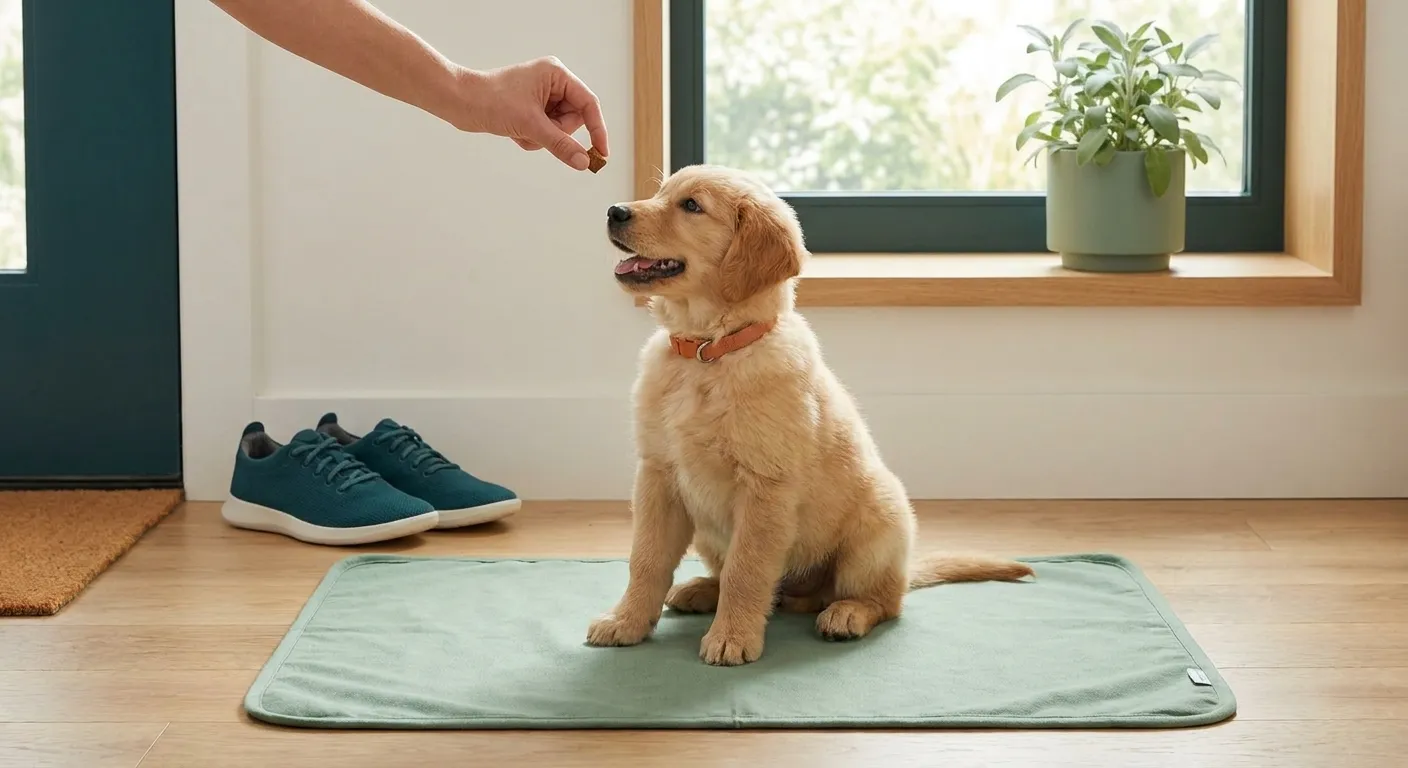
When your puppy successfully potties outside, immediately offer enthusiastic praise and a high-value treat. This positive reinforcement teaches them that going outside is a rewarding experience. The timing of the reward is critical; it must happen within seconds of them finishing their business. This immediate feedback helps them connect the action with the reward. Consequently, they are more likely to repeat the desired behavior.
You can also use a verbal cue like “go potty” or “do your business” right before they relieve themselves. Say the cue as they are squatting. Over time, they will associate the phrase with the action. This can be incredibly helpful later on, especially in new environments or when you’re in a hurry. For example, if you’re traveling, a verbal cue can prompt them to go quickly. Remember, always keep your tone positive and encouraging. Never scold them for going in the wrong spot; instead, focus on rewarding the correct behavior.
Managing Accidents Gracefully
Despite your best efforts, accidents will happen indoors. It’s a normal part of the learning process for puppies. If an accident occurs, don’t scold or punish your puppy. They won’t understand why and it can create fear, making the training process much harder. Instead, calmly interrupt them if you catch them in the act. For instance, a gentle clap or a soft “no” might get their attention. Then, immediately take them outside to their designated potty spot. If they finish outside, praise and reward them. If they don’t, simply bring them back inside and try again in 15-20 minutes.
The most important step after an indoor accident is to clean it up thoroughly. Use an enzymatic cleaner specifically designed for pet odors. This type of cleaner neutralizes the odor, preventing your puppy from being attracted back to the same spot. If the odor remains, your puppy might think it’s an acceptable place to go again. Therefore, investing in a good quality cleaner is a smart move. For more insights on puppy behavior, consider resources from reputable organizations like the Humane Society.
Crate Training and Confinement
Crate training is an excellent tool for early puppy potty training. As mentioned earlier, dogs naturally prefer not to soil their sleeping area. A crate leverages this instinct. When properly introduced, the crate becomes a safe, comfortable den for your puppy. It should be just large enough for them to stand up, turn around, and lie down comfortably. If the crate is too big, they might use one end as a bathroom and the other as a bed. Consequently, it defeats the purpose of housetraining.
Introduce the crate positively with treats and toys. Never use it for punishment. When you can’t actively supervise your puppy, the crate provides a safe, confined space. This prevents them from having accidents all over your house. However, remember that a puppy cannot hold their bladder indefinitely. Ensure you take them out for frequent potty breaks, even when crated. For example, a young puppy should not be left in a crate for more than a few hours at a time. This method is highly effective when combined with a consistent schedule.
Overnight Potty Training Strategies
Overnight potty training requires careful management, especially for very young puppies. Just like during the day, a consistent routine is vital. Take your puppy out for a final potty break right before you put them in their crate for the night. Limit water intake an hour or two before bedtime, but always ensure they have access to water during the day. This helps reduce the chances of an overnight accident. For further assistance with getting your puppy settled, check out our guide on Finding the Best Dog Beds for Comfort and Durability, which can make their crate more inviting.
For very young puppies (under 4 months), you may need to set an alarm to take them out once or twice during the night. As they get older and can hold their bladder longer, you can gradually extend the time between overnight breaks. Listen for any signs of distress from your puppy, like whining or barking, which might indicate they need to go out. Responding quickly to these signals reinforces good habits. Furthermore, placing the crate near your bed can help you hear them more easily. This proximity also offers them comfort.
Dealing with Setbacks and Regression
It’s important to recognize that early puppy potty training isn’t always a linear process. Setbacks and regressions can happen, even with a well-established routine. Don’t get discouraged! Common reasons for regressions include changes in routine, new environments, excitement, fear, or even underlying health issues. If your puppy suddenly starts having more accidents, first rule out any medical problems with a vet visit. For instance, a urinary tract infection could be the cause. Once health issues are excluded, revisit your training basics.
Go back to the consistent schedule, frequent potty breaks, and positive reinforcement you used initially. Increase supervision and consider using the crate more often when you can’t watch them closely. Patience and consistency are your best allies during these times. Remember, every puppy learns at their own pace. Do not punish them for setbacks; simply reinforce the correct behavior. Building a strong bond with your puppy through positive experiences is far more effective than fear-based training. You might also find our article on How to Socialize Your Puppy Safely and Effectively helpful in understanding their overall development.
Transitioning to Outdoor Independence
As your puppy matures and consistently potties outside, you can gradually increase the time between potty breaks. They will start to develop better bladder control. However, continue to supervise them during outdoor potty breaks to ensure they actually go. Many puppies get distracted by smells, sights, and sounds, forgetting their primary mission. Over time, you’ll notice them signaling more clearly when they need to go out. This might include whining at the door, scratching, or pacing. Recognizing these signals is a significant step towards full housetraining.
Ultimately, the goal is for your puppy to reliably signal their need to go outside and to hold it until they are taken out. This takes time and consistent effort. Celebrate every success, no matter how small. Early puppy potty training is a journey, not a race. Your dedication will pay off with a well-behaved, housetrained companion. For additional resources on pet care, the ASPCA offers a wealth of information.
Conclusion
Successfully navigating early puppy potty training is one of the most rewarding parts of bringing a new dog into your family. It requires a significant investment of time, patience, and consistency. By establishing a clear, predictable schedule, using positive reinforcement, effectively managing accidents, and leveraging tools like crate training, you can guide your puppy to understand where to do their business. Remember, every puppy is unique, and some may learn faster than others. Stay positive, be patient, and celebrate each small victory along the way. With dedication, you’ll soon enjoy a clean home and a strong, trusting bond with your well-trained canine companion. This foundational training sets your puppy up for a lifetime of good habits and a harmonious life with you.
FAQ: How often should I take my puppy out for potty breaks?
Generally, a puppy can hold their bladder for one hour per month of age. Therefore, a 3-month-old puppy might need to go out every 3 hours. However, it’s always best to take them out more frequently: first thing in the morning, every 30-60 minutes during playtime, after naps, after eating/drinking, and before bed.
FAQ: What is the best way to clean up puppy accidents indoors?
For indoor accidents, never scold your puppy. Instead, clean the spot thoroughly with an enzymatic cleaner. This type of cleaner breaks down the odor, which prevents your puppy from being drawn back to that same spot to relieve themselves again.
FAQ: Can crate training help with housetraining?
Yes, crate training can be a very effective tool. Dogs naturally avoid soiling their sleeping areas. A properly sized crate encourages your puppy to hold their bladder and bowels until they are taken outside. Ensure the crate is not too large, or they might use one end as a bathroom.
FAQ: What should I do if my puppy has a potty training setback?
If your puppy experiences a setback, first rule out any medical issues with a vet visit. Then, return to your initial training strategies: increase supervision, stick to a consistent schedule, and use positive reinforcement. Patience is key during these periods.
FAQ: How do I teach my puppy a verbal cue for going to the bathroom?
When your puppy is in the act of relieving themselves outside, say a verbal cue like “go potty.” Immediately praise and reward them once they finish. This helps them associate the phrase with the action, making it easier to prompt them later on.